
On a dark road, I seek out the company of books by people who’ve traced similar journeys. Each story is unique, particular to its teller, yet there’s common experience too: pain is inescapably human. What I read is largely the result of serendipity, though I’m mapping a territory on which I hope A Selfless Art will one day stand. We tend to find what we’re looking for, even when we think we’re looking for something else.
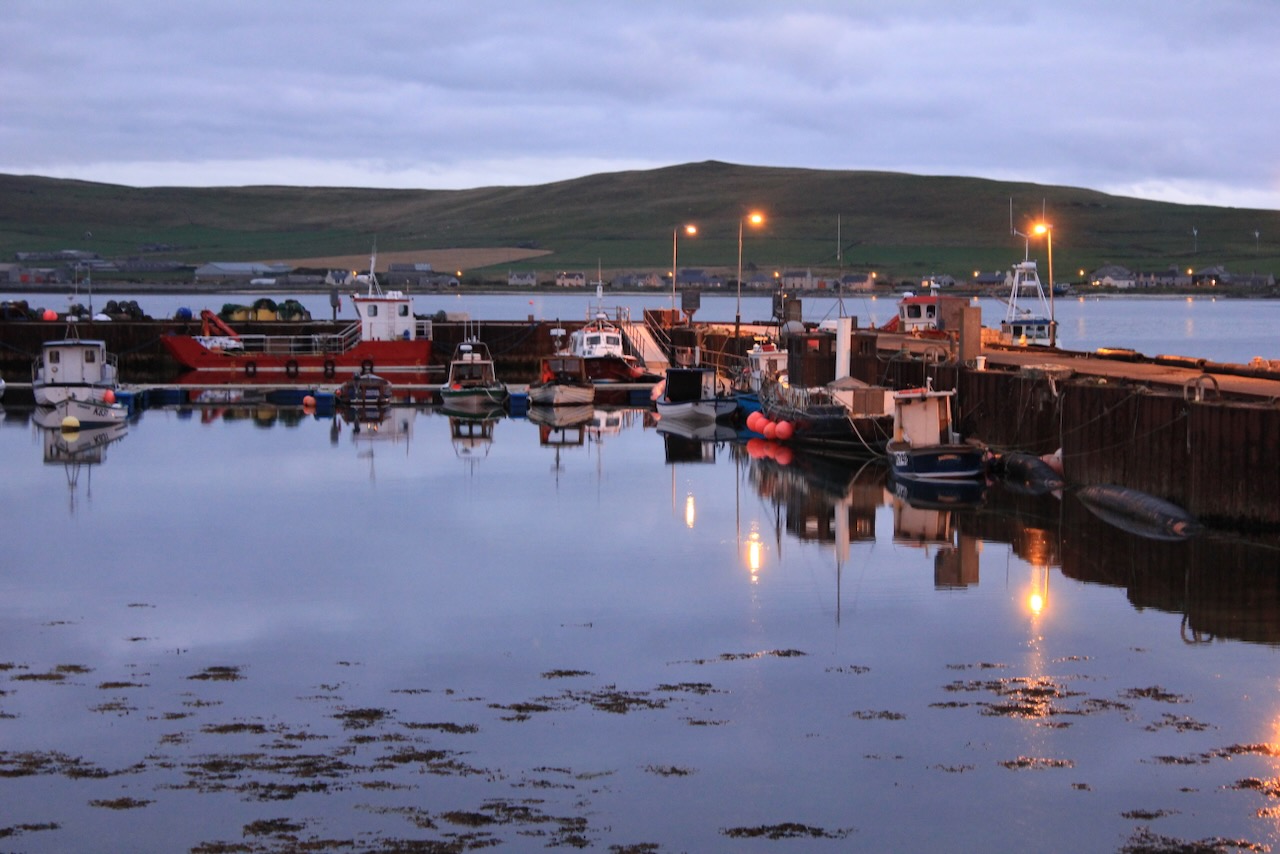
Writing about Orkney recently made me want to be there again, if only in the imagination. Amy Liptrot grew up in Orkney, left at 18 and came home at 30 as a recovering alcoholic. The Outrun is a pasture by the sea on her family’s farm and also the title of her account of what drew her away and brought her back to Orkney. It is a remarkable book that fully merits its praise and prizes.
The road from addiction to health is a shop-worn story, but that only makes Amy Liptrot’s achievement more impressive. She steps surefooted between the bogs of mawkishness, sensation, bathos, indulgence, and righteousness. She gets through because she is a very fine writer who can catch an incident, an image, a feeling or an idea with vivid, memorable clarity and no more words than are necessary.
Like a dedicated beachcomber she gathers in a vast range of material around her own life experience, much of it from the natural world that makes Orkney such a distinctive place: clouds, stars, rock, corncrakes, shipwrecks, myth, husbandry, dykes, the aurora borealis, seals, wind, sand… and she still has space for religion, manic depression, heartbreak, drugs, friendship, shame, flat hunting, arrest, and all that can come in a troubled life. It takes a very good writer to weave such armfuls into a narrative whose every strand tucks in perfectly and adds to a coherent whole.

Life writing might be the literary form that defines our age, as the novel does the 19th century, but it treads a fine line, artistically and ethically. It can, as it does here, reach a directness and truth all of its own, but it slips so easily into deceit and exploitation. It intrigues me that French publishers see no need to label their books fiction and non-fiction, as their British counterparts do. Is this a hard border or one that we find comforting to respect?
The book I’m now working on seems to demand a more personal approach than I’m used to, suggesting that selflessness lies on the far side of that barrier. I don’t know yet if that’s right, but reading other lives is a way of thinking about it — especially when they are as well-written as The Outrun.
 François Matarasso