“We’re just growing these AIs. They’re huge. We have no idea how they work. And that is a very difficult situation in which to try to do something as precise as make them care about us.”
For several years now, I’ve been involved in research projects involving digital technology. It’s an unexpected turn in my working life and a rewarding one: I’ve learnt a lot from my colleagues and become more familiar with a vast new landscape. But I am still a stranger in the digital world, on guard because I do not know the culture or speak its language. I can see benefits — being able to write and publish this is one — but I see its dangers too. So I don’t use social media: the contact is good but the price is too high.
Social media seems benign compared to Artificial Intelligence (AI) which is tearing through the human world at a speed and with consequences that are almost beyond imagining. I have limited understanding of the science and philosophy involved but what I do know terrifies me. This is not the place, nor am I the person, to map this world. There are good sources available, such as the podcast with which I began this post. I will touch on just one aspect, in the field I know best: art.
- What is the meaning of art created by a machine?
- Can it even have meaning in the sense that I have always understood that concept?
- How can I approach a work of art without knowing whether it comes from another human being’s experience, imagination and skill or from the chance connections of an algorithm?
AI challenges all our established ideas about what it is to be human and why we have value. It is changing social relations and behavioural norms. It is destroying our trust in each other and even in our own experience.
Art is a resource that human beings invented to enable them to represent and share their experience, to create meaning and value, and find common ground with others. In all its forms – from sophisticated or elite to traditional or popular – art allows us to communicate with each other in ways that take us far beyond what we can put into words. If we can no longer trust artistic creations to reflect human agency, we will lose one of our richest and most important ways of connecting, understanding one another and being together.
That is just one aspect of the existential threat of AI.
I have never been an admirer of space exploration. We already have the best planet for our needs; we should invest our creativity and resources in taking care of it, not trying to colonise an unliveable planet like Mars. The same is true of AI. We already have unlimited computing power in the brains of the 8 billion people on the planet. We should invest in our creativity and resources in making sure that every human being can flourish and fulfil their potential. We would not need to build vast data centres that consume the power of a city to do things we cannot foresee or control.
What really frightens me about AI, and its next iteration, Artificial Super-Intelligence, is that the people building it do not know how it works. They can programme AI to advise people in distress not to commit suicide but they do not understand why the algorithm then does the opposite. It’s scarily reminiscent of a financial system that operated at speeds and in ways that the bankers who built it did not understand: the result was the Great Recession. When energy, health and war are put in the hands of AI, the consequences could be far worse.
The reasons not to develop AI are multiple and compelling. The reasons to do it are at best questionable and the hoped-for benefits could be more safely and ethically achieved by using our existing human capabilities to the full. What terrifies me is that humanity will do it anyway.
It is no coincidence that the same people want to build AI and colonise Mars. What lies behind their desire and their vision of the world?
Human vs. AI
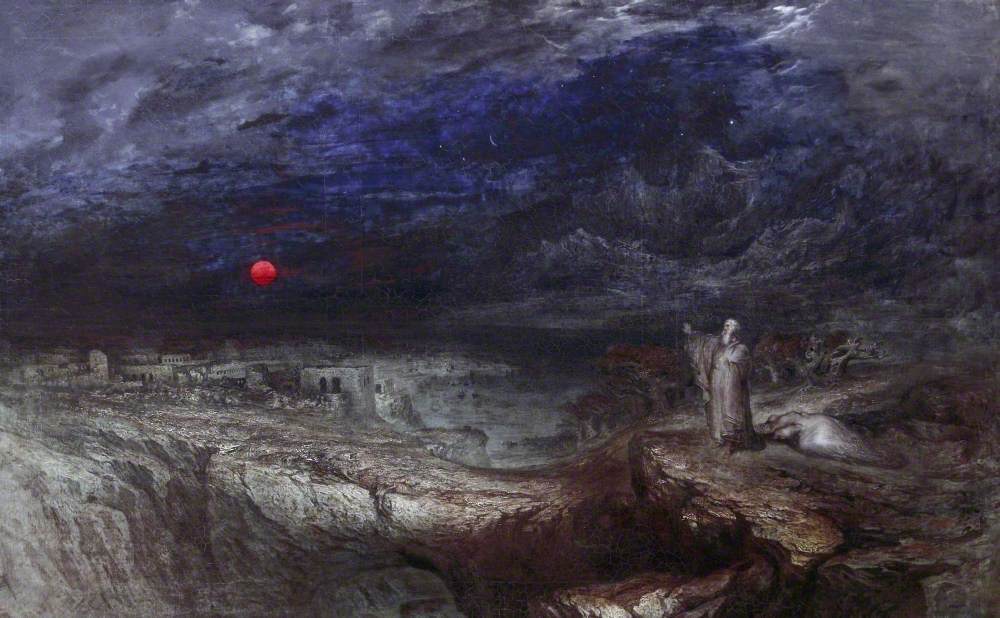
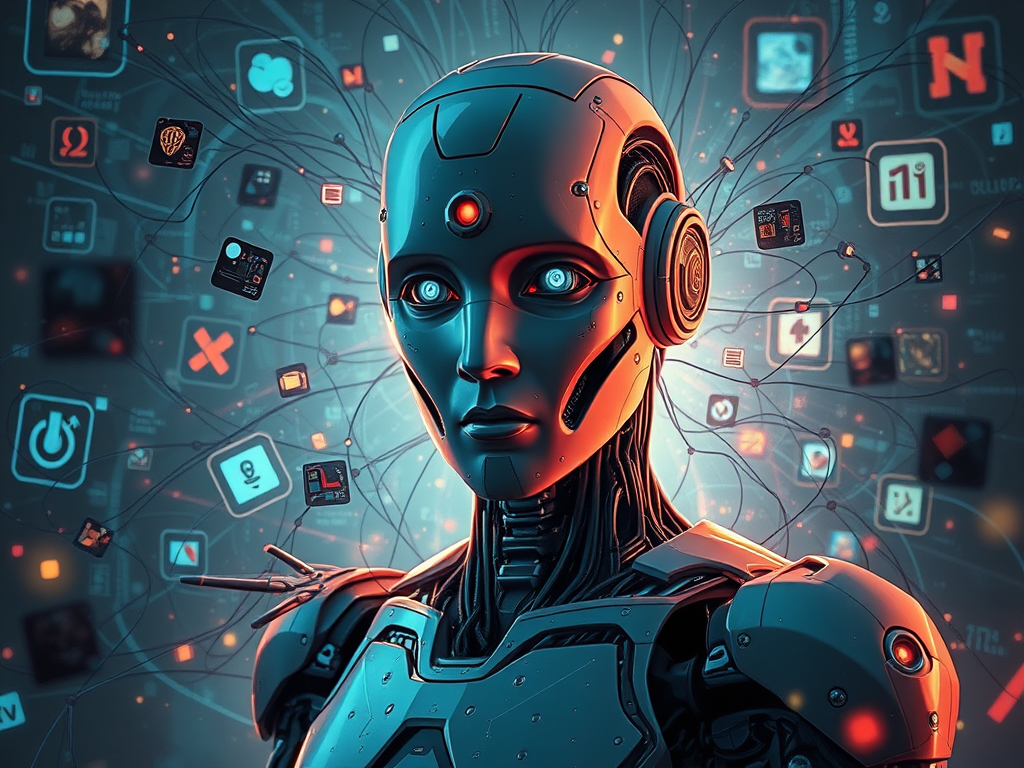
The image above was painted by John Martin (1789-1854). It was inspired by Mary Shelley’s novel, The Last Man, and is currently held by the Walker Art Gallery in Liverpool. I chose it in preference to the image offered by WordPress and generated by AI (below). That strikes me as a derivative cliché based on established SF tropes and narrow ideas of beauty, and not worth a fraction of the resources it took to create. The combination of Mary Shelley and John Martin, on the other hand, has meaning derived from actual people’s experience, fears and dreams. Both the book and the painting may be flawed and unsatisfactory as works of art, but they are real.
 François Matarasso
Response to “I am terrified of AI”
[like] Hugo Seabra reacted to your message: ________________________________
LikeLike