Culture and place
Between 1994 and 2014, I spent more time in Scotland than any other single country, except my home. A little of that work was in Edinburgh, and more in Glasgow, but most was in the north – the Highlands and Islands that give the country so much of its character and beauty.
It was there that I began to learn about the relationship between place and culture—how long winter nights create traditions of shared time-passing or how poverty inspires the immaterial culture of song, music, dance and story. Europeans have become so (relatively) wealthy and so technologically rich that we are in danger of forgetting the community that is created in such apparently simple moments. If you click on the links below, you will find short descriptions of some of the work that took me to Scotland, as well as the publications and reports it produced.
The Highlands and Islands
The first fèis was held on the Hebridean island of Barra in 1981 as a way to pass on Gaelic culture to a generation of young people who came to their grandparents’ home for the summer. The idea took, and there are now 46 fèisean across Scotland, teaching music, song, dance and the Gaelic language to thousands of young people. My work, which took in Fèis Barra, Fèis Rois and Fèis na h-Oige (in Inverness) was a case study for what became Use or Ornament?, and was published in 1996 as Northern Lights.

Orkney
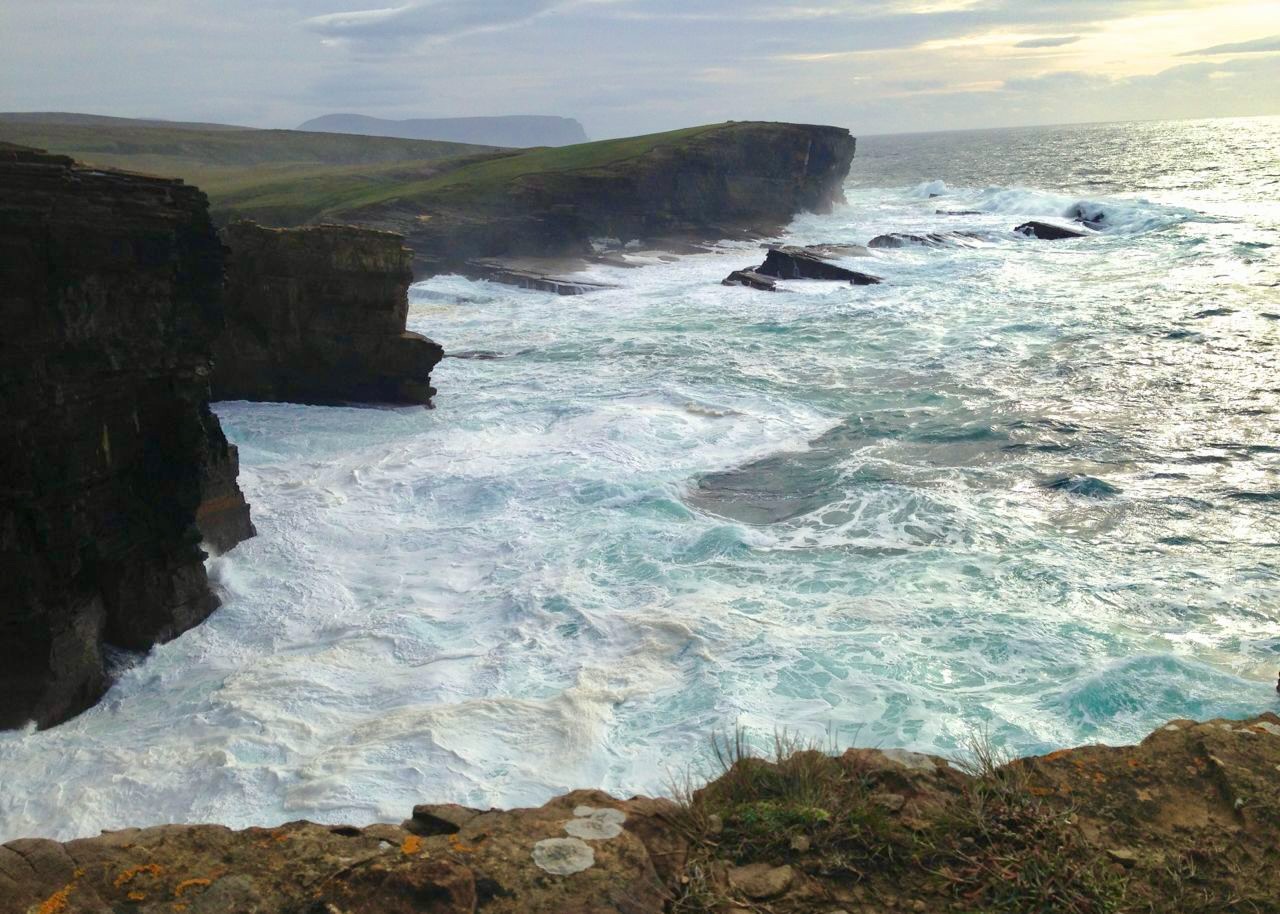
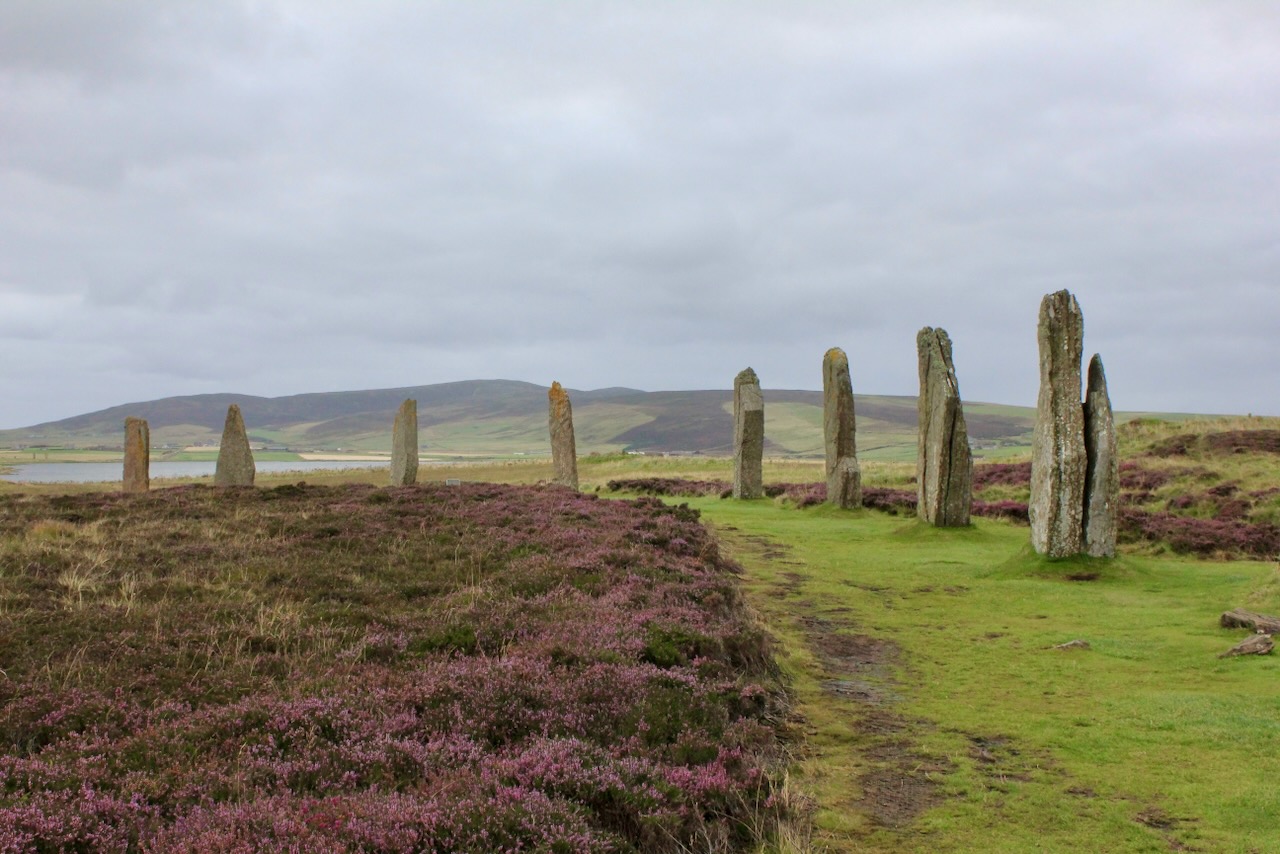
Orkney became part of the Kingdom of Scotland only in 1472, when it was ceded by the King of Norway in lieu of an unpaid dowry. By then it had been inhabited for at least 5,000 years and it has some of the most important prehistoric sites in Europe. It remains wondrously itself, neither Scotland nor not, a self-reliant place but open to the world, which passes on the shipping lanes. My commission, one of the most interesting I’ve had, was to understand how Orkney’s culture had developed so distinctively since the 1970s. There are many reasons, but none greater than the extraordinary people born or drawn to the islands and willing to invest themselves wholeheartedly in its culture.
Aberdeenshire
Three years later, I was asked to devise a cultural portrait of Aberdeenshire, the vast hinterland of Scotland’s oil capital, a rich land of high mountains and winding valleys, dotted with farms and distilleries, commuter towns and hunting estates. The historic county had disappeared in the 1970s and been resurrected 25 years later, but in a different shape and administratively separate from the granite city from which it drew its name and prosperity. It was a huge task: Orkney has about 22,500 inhabitants, Aberdeenshire has over a quarter of a million, living across 2,500 square miles. I learned a lot, as always, but really knowing the place would take a lifetime.

The Scottish Borders
I’ve always liked neglected or undervalued places, those that rarely make the bucket lists of travel writers or lifestyle influencers. Much of what people flock to the Cotswolds for they could find equally in Rutland and Lincolnshire with fewer crowds. Border regions are often overlooked, as people head for more celebrated destinations. My most recent work in Scotland brought me there, a region I didn’t know well but came to appreciate as much as any other part of the country. There was no public report of this, but some vivid memories of people, places and the culture that comes from their interaction.

 François Matarasso