Gray’s School of Art & ‘On The Edge’
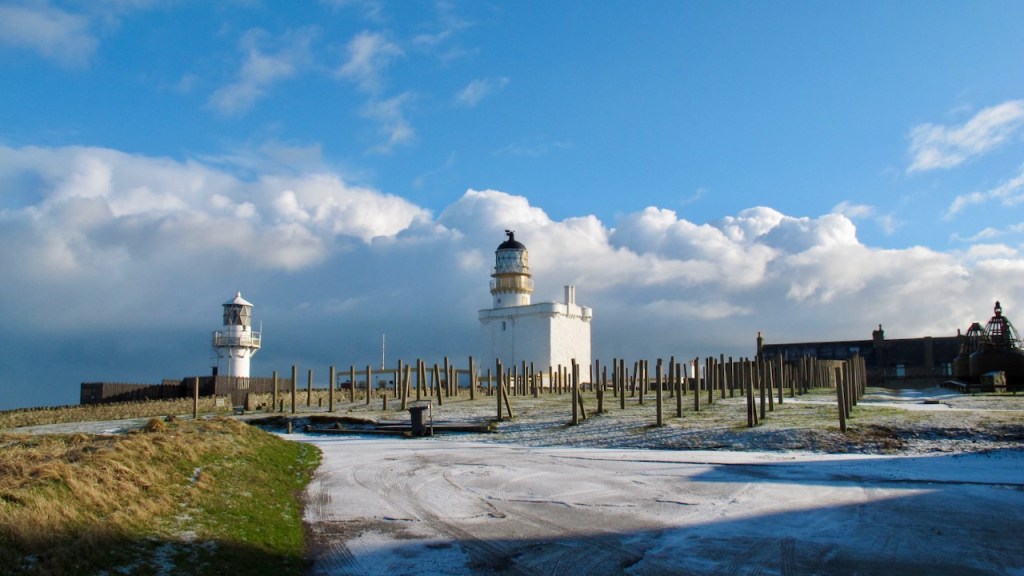
This was my introduction to Aberdeenshire: Duff House, an ‘outpost’ of the National Galleries of Scotland near Banff on the north-east coast.

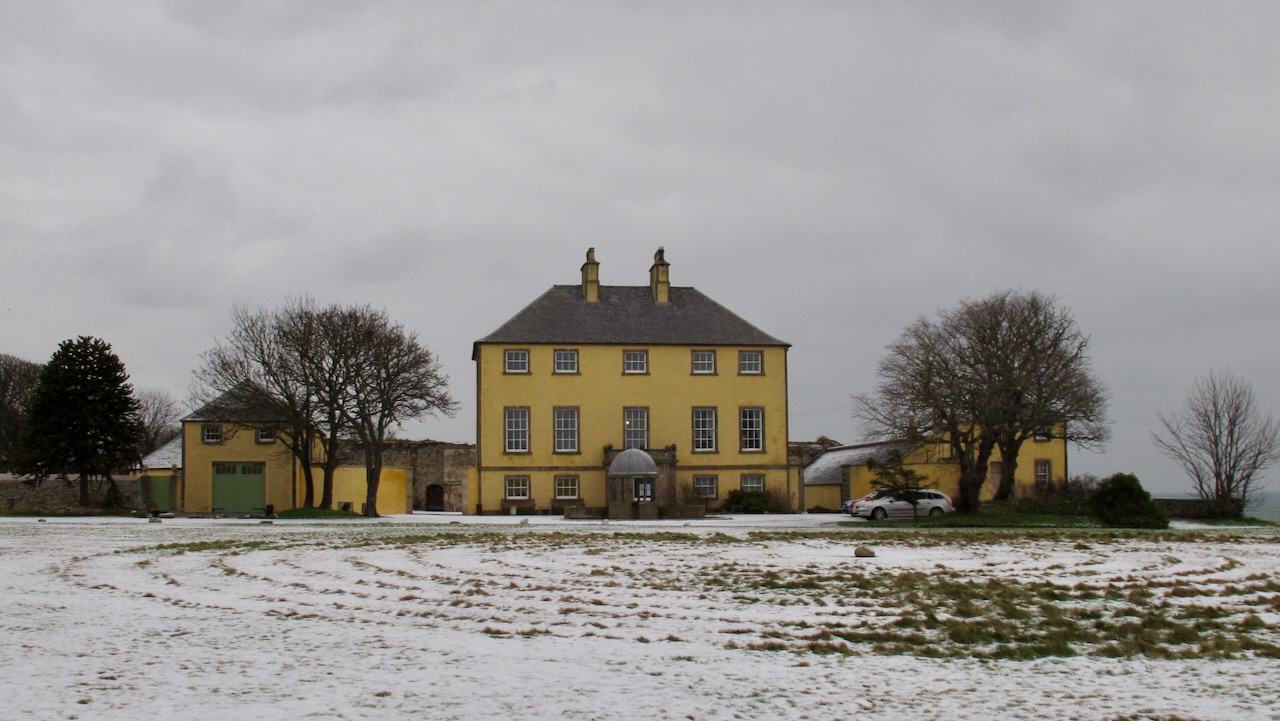
I spent several days there in 2001, facilitating a European conference on culture in rural areas with academics from Gray’s School of Art, Robert Gordon University. I gave a talk at the start of the conference, in which I touched on some of the cultural differences between town and country. I had grown up on a farm, but had spent my adult life in cities, and felt the distinctive qualities of both. My text was published in the conference proceedings the following year:
That conference marked the beginning of a long association with Gray’s School of Art, several of whose staff become good friends and where I was eventually nominated an Honorary Professor. I got to know some of the art projects in the region, including Scottish Sculpture Workshop, Deveron Arts and Woodend Barn, as well as giving occasional lectures at the Art School. I also supervised and examined some doctoral students, though I never became comfortable with that process and after some years decided that it wasn’t for me.




The Pinning Stones
‘For all the unstable prosperity caused by the oil in the North Sea, Aberdeenshire is seen from the Lowlands as impossibly northern, impossibly distant and provincial. […] the province perceived from the south as a place of dearth and adversity is actually the centre of cultural production in music, poetry (particularly Latin poetry) and painting. Again definitions of northness and provinciality are wholly dependent on acts of self-location.
Peter Davidson, The Idea of North, p.264
In 2014, I was commissioned by Aberdeenshire Council to write a cultural portrait of the shire, which had been re-created in 1996. It was a delicate task, trying to understand a huge and disparate area, which now included places with their own identities, like Banff and Buchan, Moray and Kincardineshire, but administratively cut off from the city that gave the region its name and much of its prosperity. Aberdeenshire contains high mountains, fishing ports and rich farmland, market towns and commuter settlements, Royal Deeside and remote estates—truly a patchwork of places and cultures.
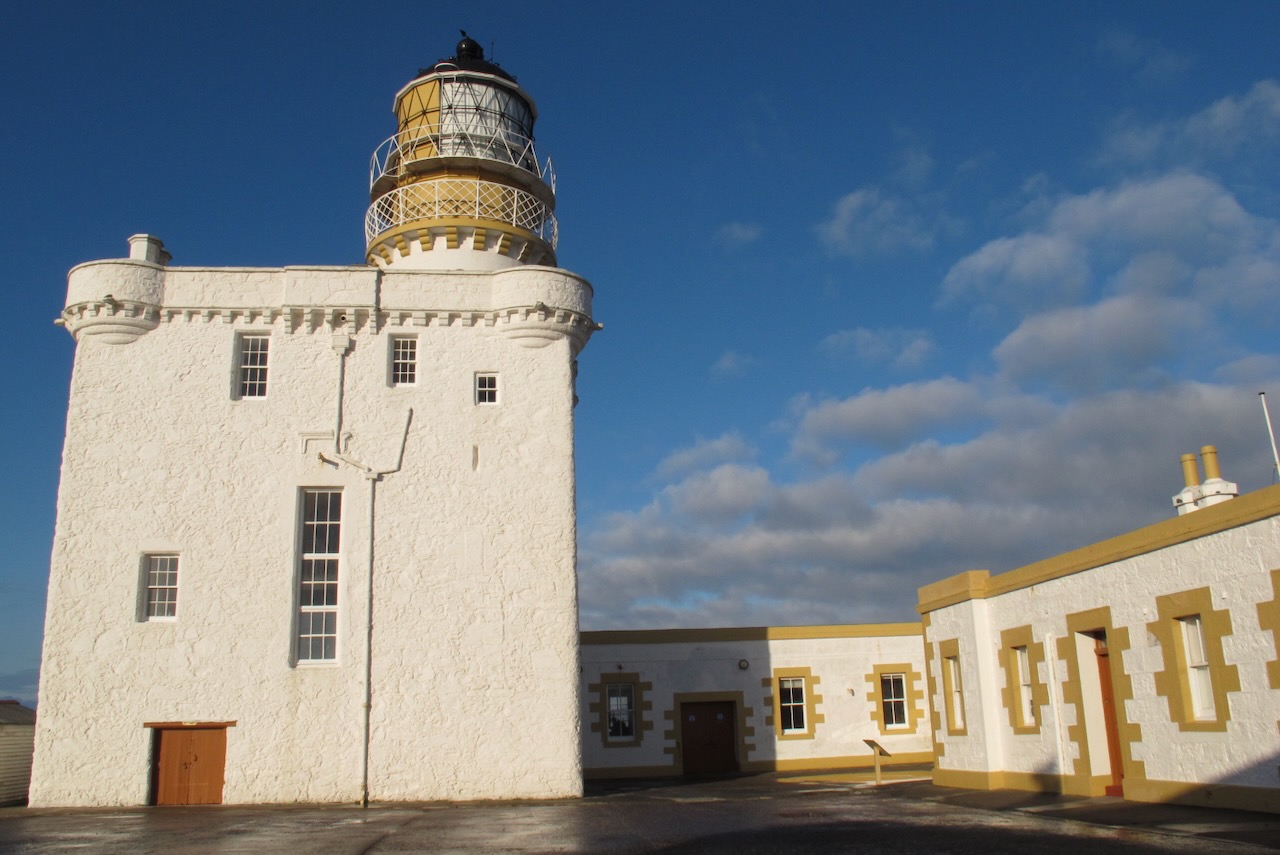
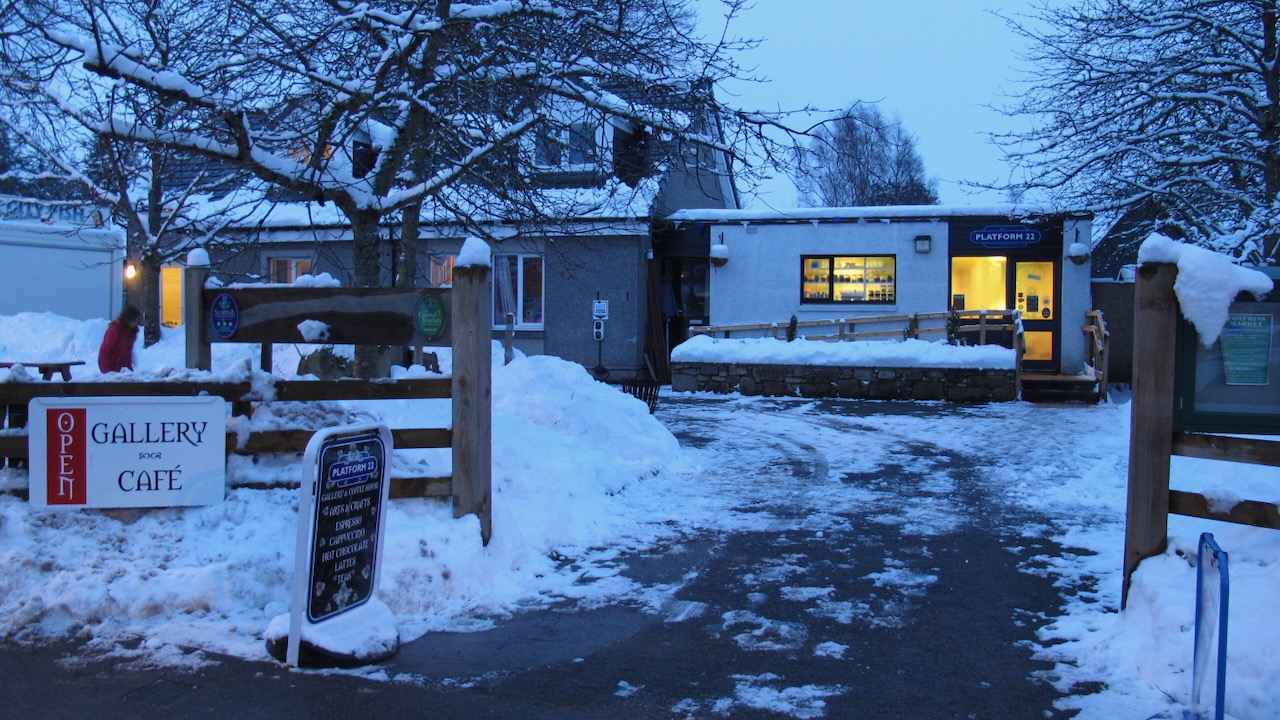
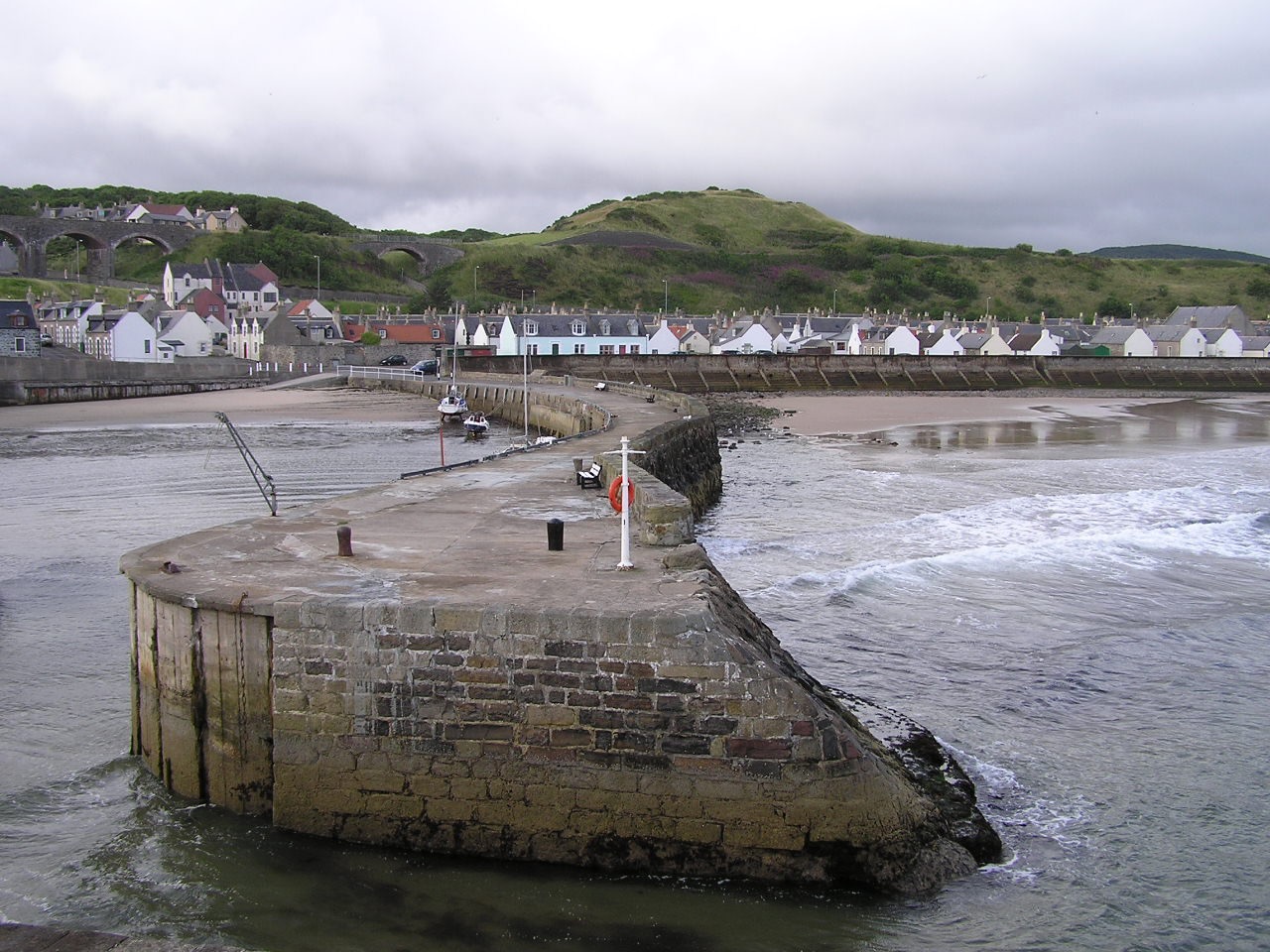
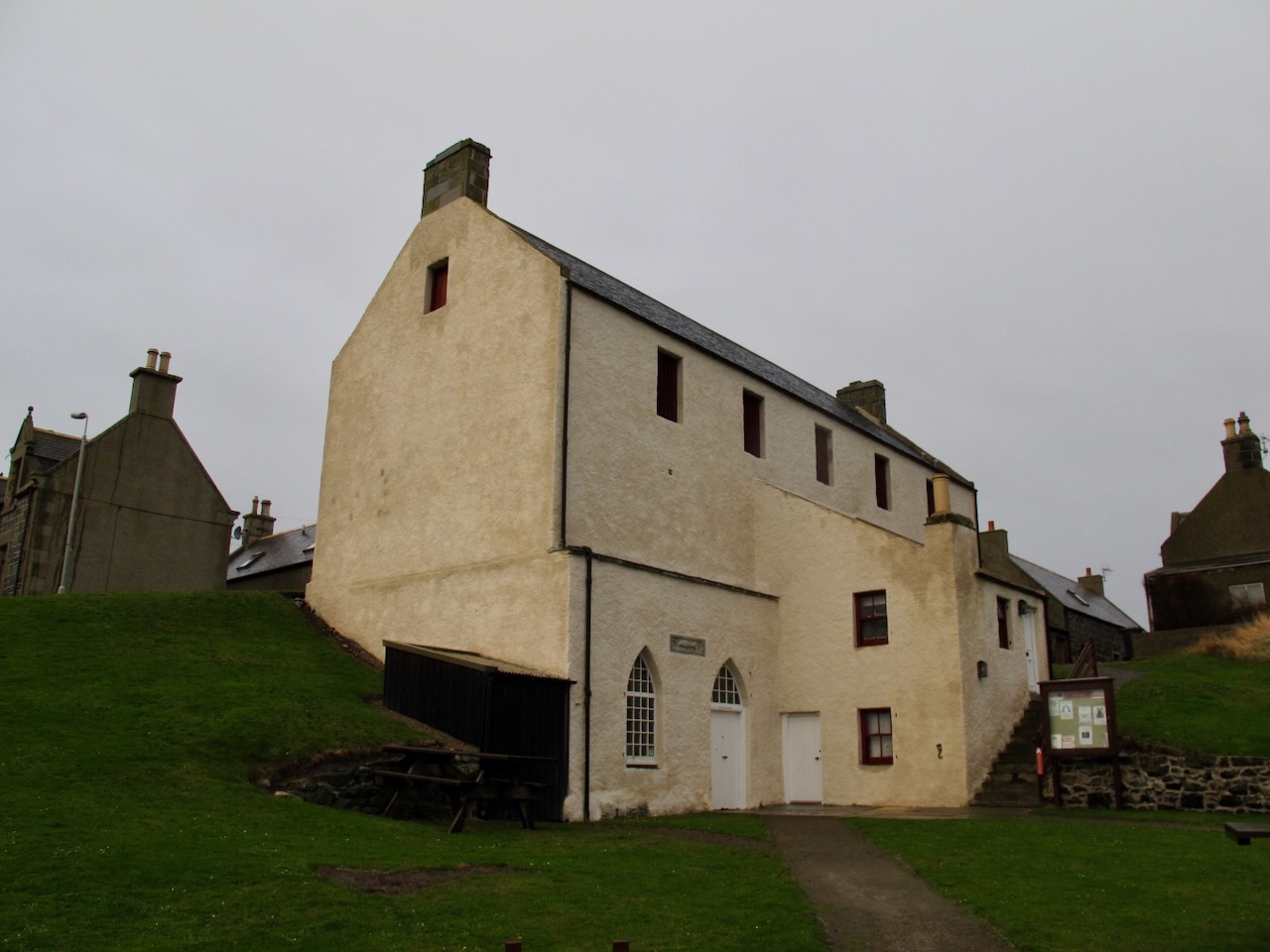
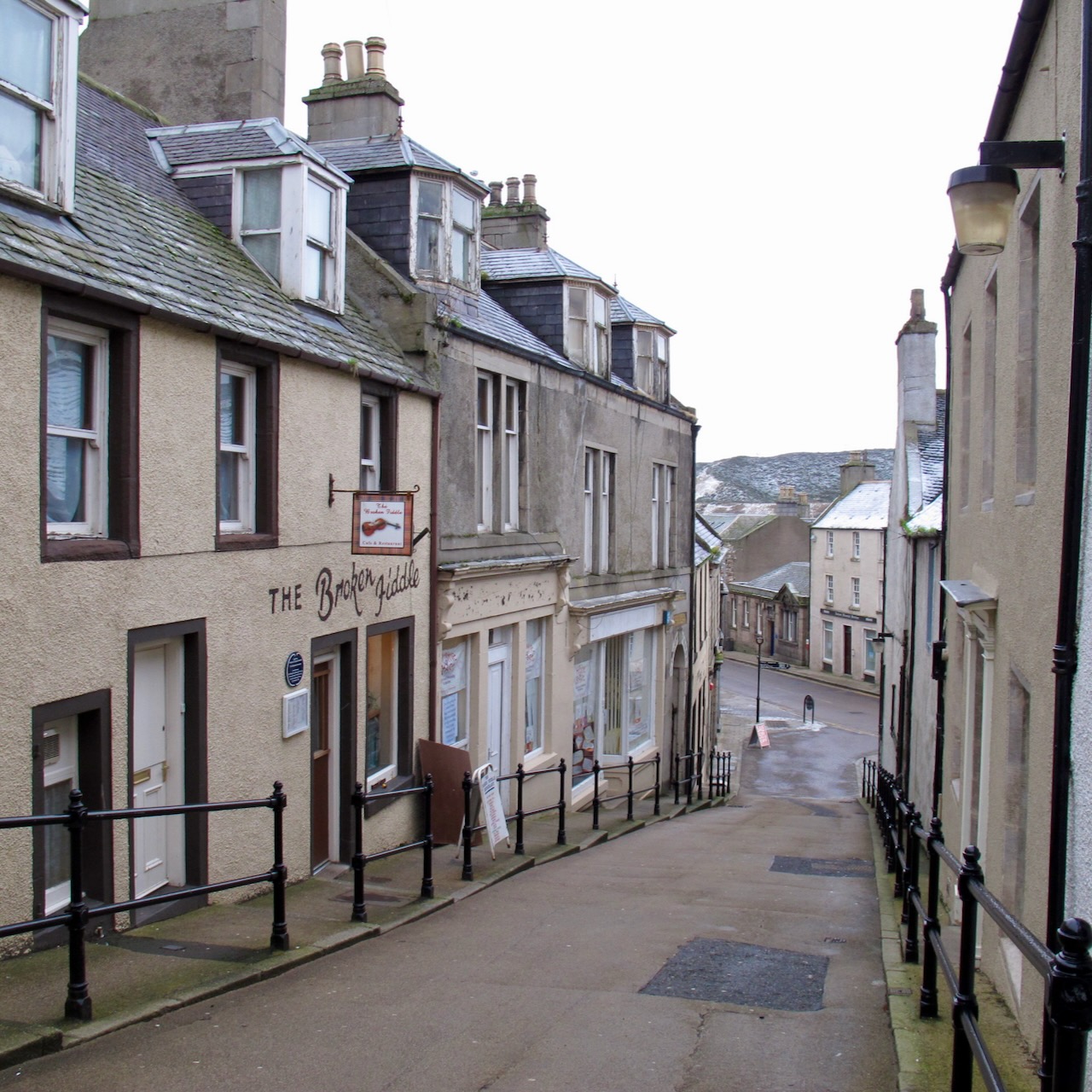
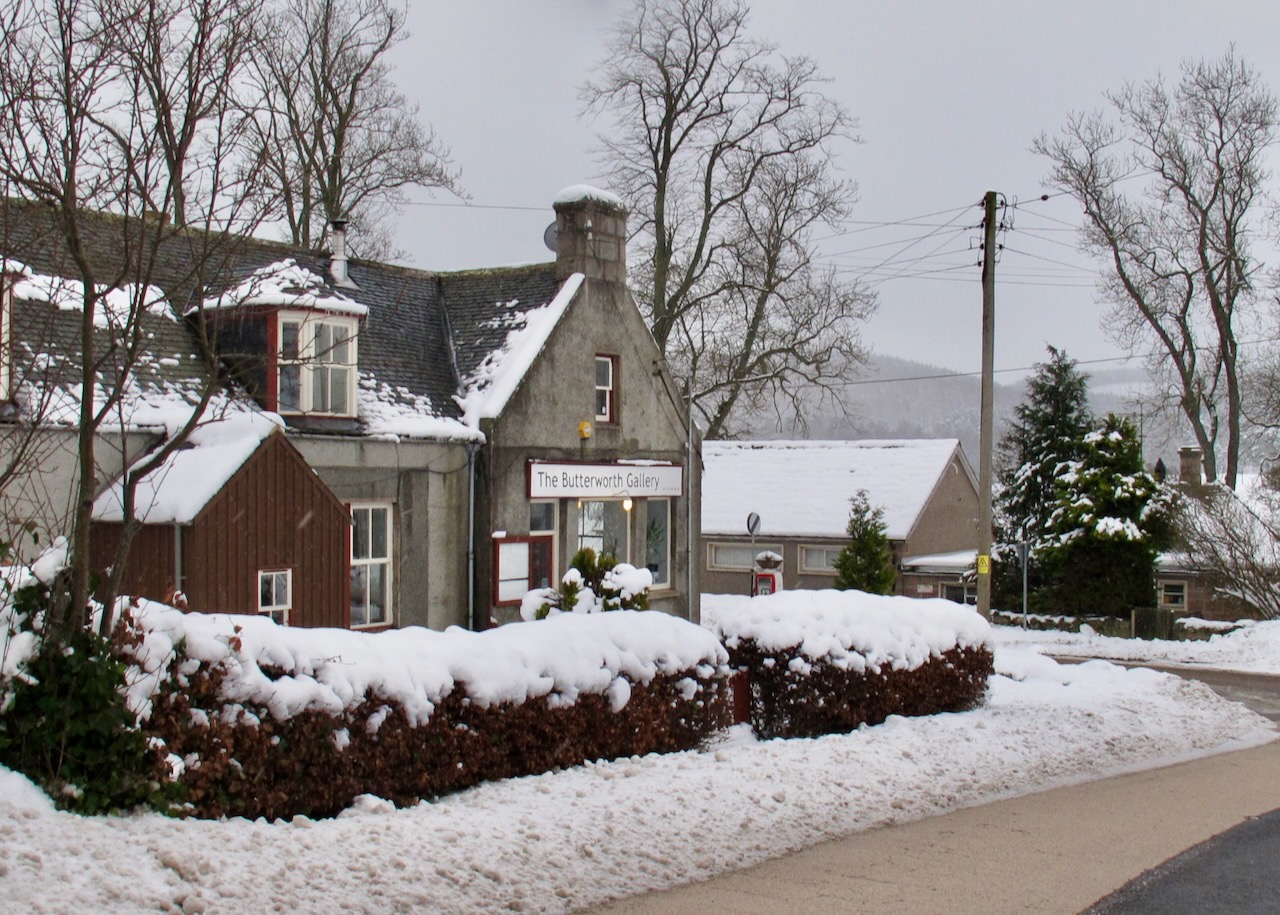
Aberdeenshire, the largest part of the North East of Scotland, which is itself the largest part of the country, also seems to be hidden in plain view. Jutting its forehead towards Norway, it is cut off by Scotland’s own great north road, the A9 passing to the west on its way to Inverness and Thurso. This is the road to the Highlands, known to millions of visitors in search of wilderness Scotland. It is sufficiently part of Scottish culture to have inspired a band, Session A9, and Ian Rankin’s latest novel, which sees John Rebus winding his way up and down the road to Caithness. Given the natural, historic and cultural assets of the Scottish Highlands and Islands it is understandable if few of those using it look east, to where the Cairngorm Mountains shield open lands beyond.
Somehow the story of the North East has not been heard. Its folklore and battlefields, its food and buildings, its artistic treasures and natural heritage—all are loved by those to whom they belong, but without the urge to brag about them to the world. Other places have had their children to sing them: Robert Burns in Dumfries; Sorley MacLean in the Western Isles; George Mackay Brown and Edwin Muir in Orkney; even Norman MacCaig in Assynt, though he lived in Edinburgh. There are important writers from Aberdeenshire but, apart from Lewis Grassic Gibbon, they use a softer tone that carries less far.
Who hasn’t heard of Gaelic, with all its history and culture? But who outside the North East knows of Doric, equally rich and equally vulnerable to modernity? The Book of Kells and the Lindisfarne Gospels are national treasures; the Book of Deer is unknown except to specialists. The stone circles of Calanais and Brodgar draw tens of thousands every year: the hundred stone circles in Aberdeenshire, even such easily accessible ones as Easter Aquhorthies by Inverurie, retain their lonely atmosphere.It is hard to think of a facet of culture celebrated elsewhere that does not have its lesser-known counterpart in Aberdeenshire.
From The Pinning Stones
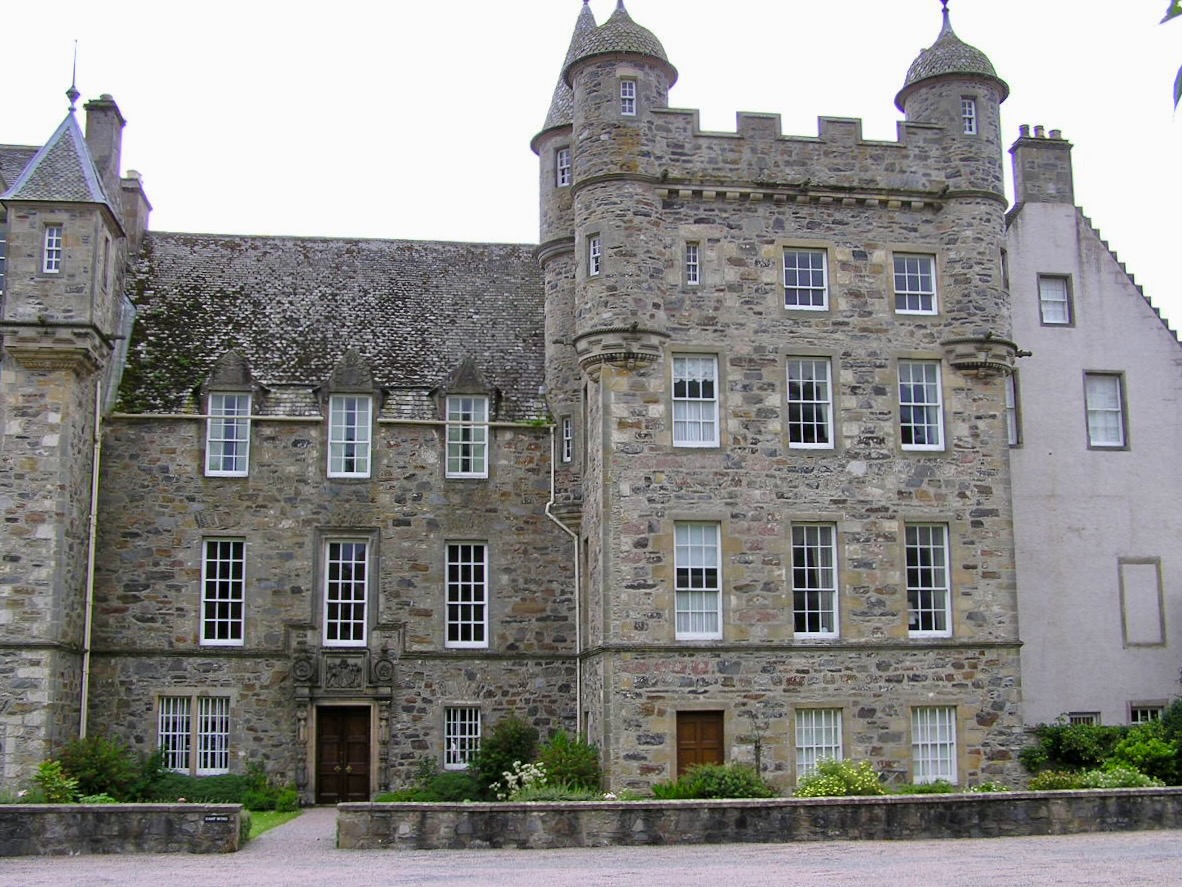
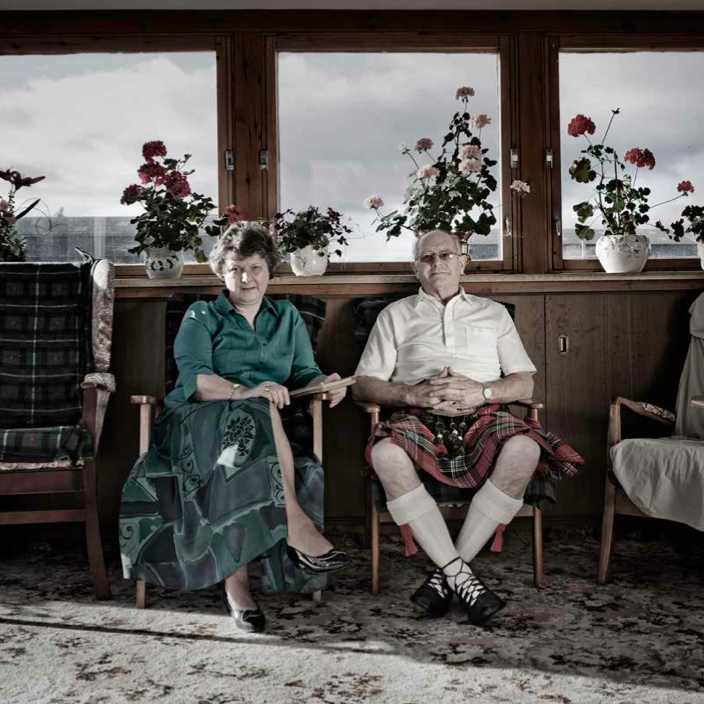
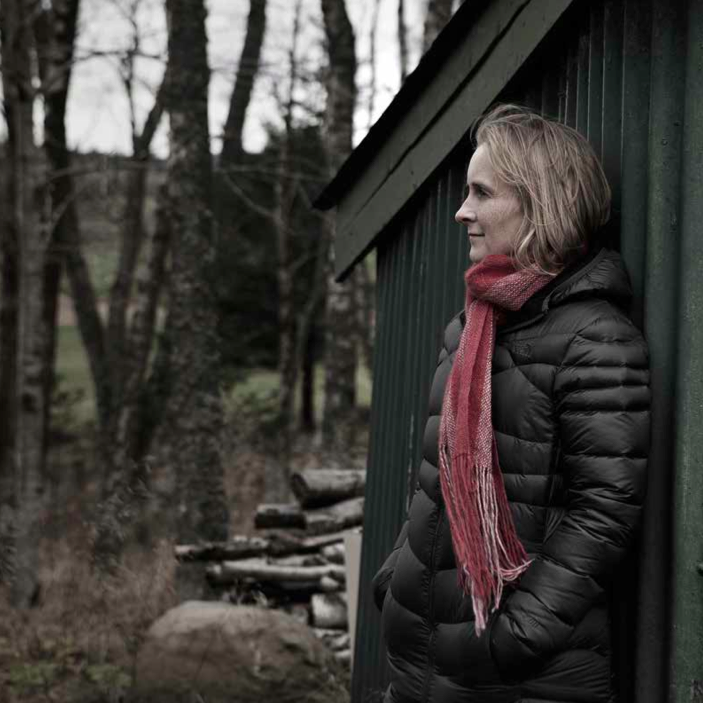
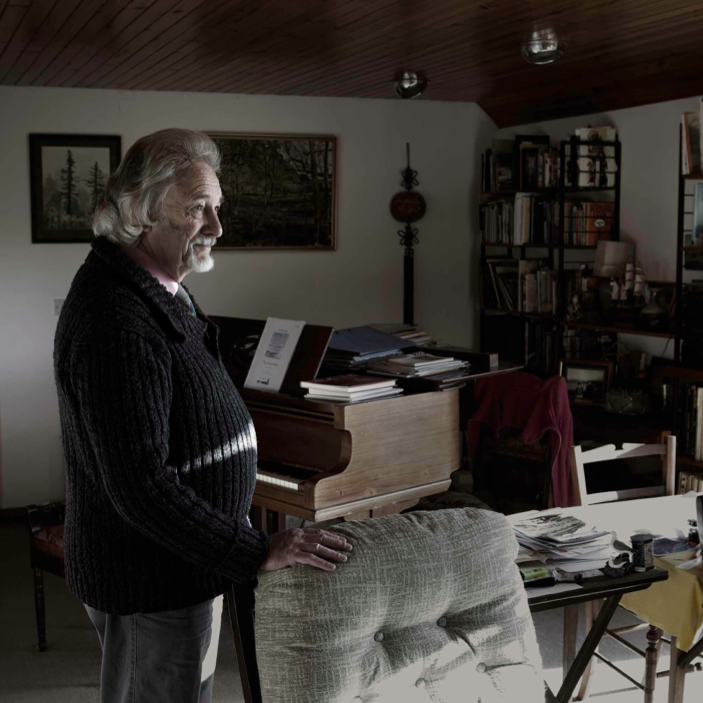
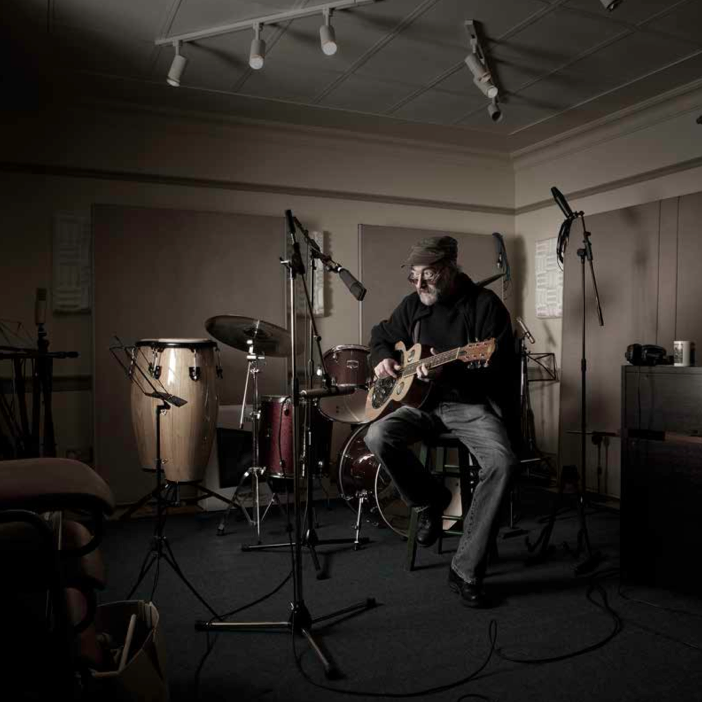
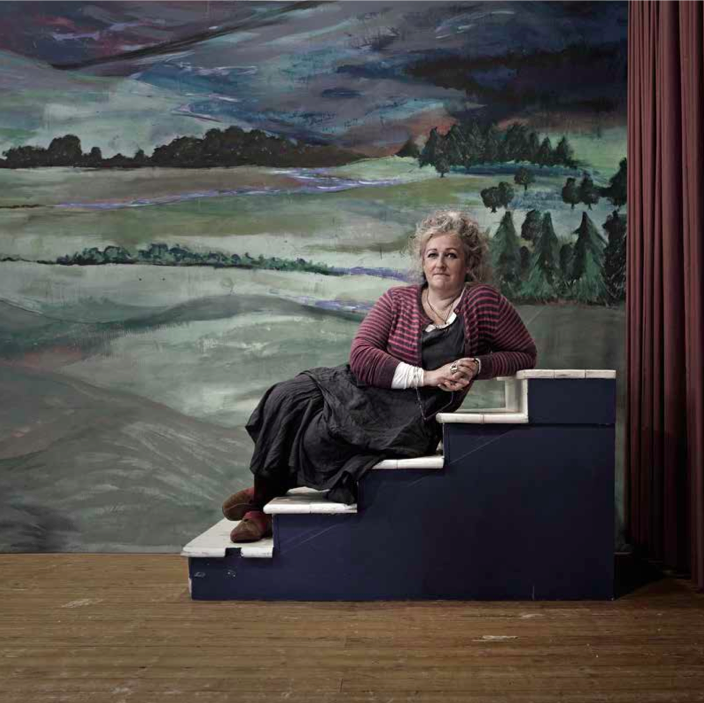
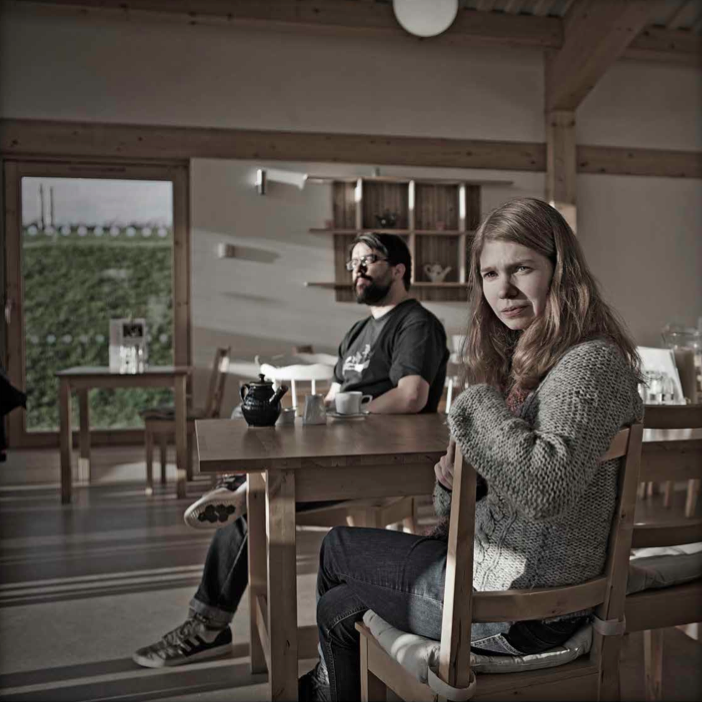
Eventually, I took a local building tradition as a metaphor for culture. Pinning stones can be seen on many of the shire’s older buildings – small insets, used as decoration or infilling between blocks of ashlar. They seemed like the region’s culture, which is unpretentious, local and sometimes unexpected, quietly holding a community together. I asked Anne Murray, one of the artists I met in Huntly, to create some visual material to reflect this idea and it was used in the handsome clothbound book, with specially commissioned portraits, that the Council published in 2014 with help from Creative Scotland. You can download a PDF of the book below.

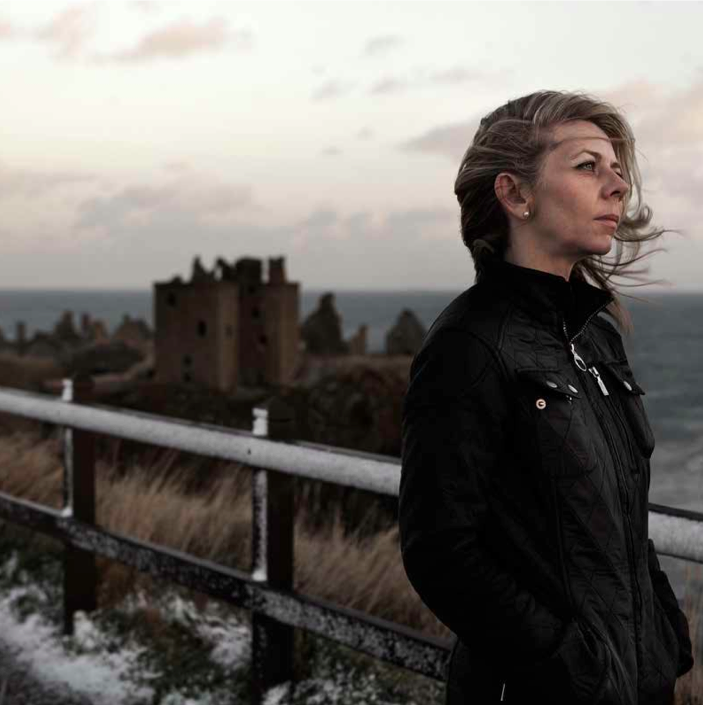
 François Matarasso