

Church, Art and Community in the Lincolnshire Fens
The Light Ships was a joy to work on, from start to finish. Between May and December 2014, I spent a lot of time in the Lincolnshire Fenland, the rich agricultural plain that was salt marsh or freshwater fen in the Middle Ages, and where much of Britain’s food is now grown. It’s a rich, historic and complicated world of striking contrasts—ancient ports now miles from the sea, acres of glasshouses, windowless food processing plants, dykes and pump houses, old farmhouses seeming to sink into the black earth.
Follow this link to download The Light Ships as PDF (13.4MB)
It was a commission from Transported, a project set up through Arts Council England’s Creative People and Places scheme to increase access to the arts in areas seen as under-served—mostly because the Arts Council didn’t previously fund work there. Transported works across two districts—South Holland and Boston—and the project I worked on was supposed to include 10 or 11 villages scattered across a wide area. When I visited them before working up a proposal, it struck me that struck how little they had in common, but they did all have a church that was also a centre of community and creativity with centuries of use.
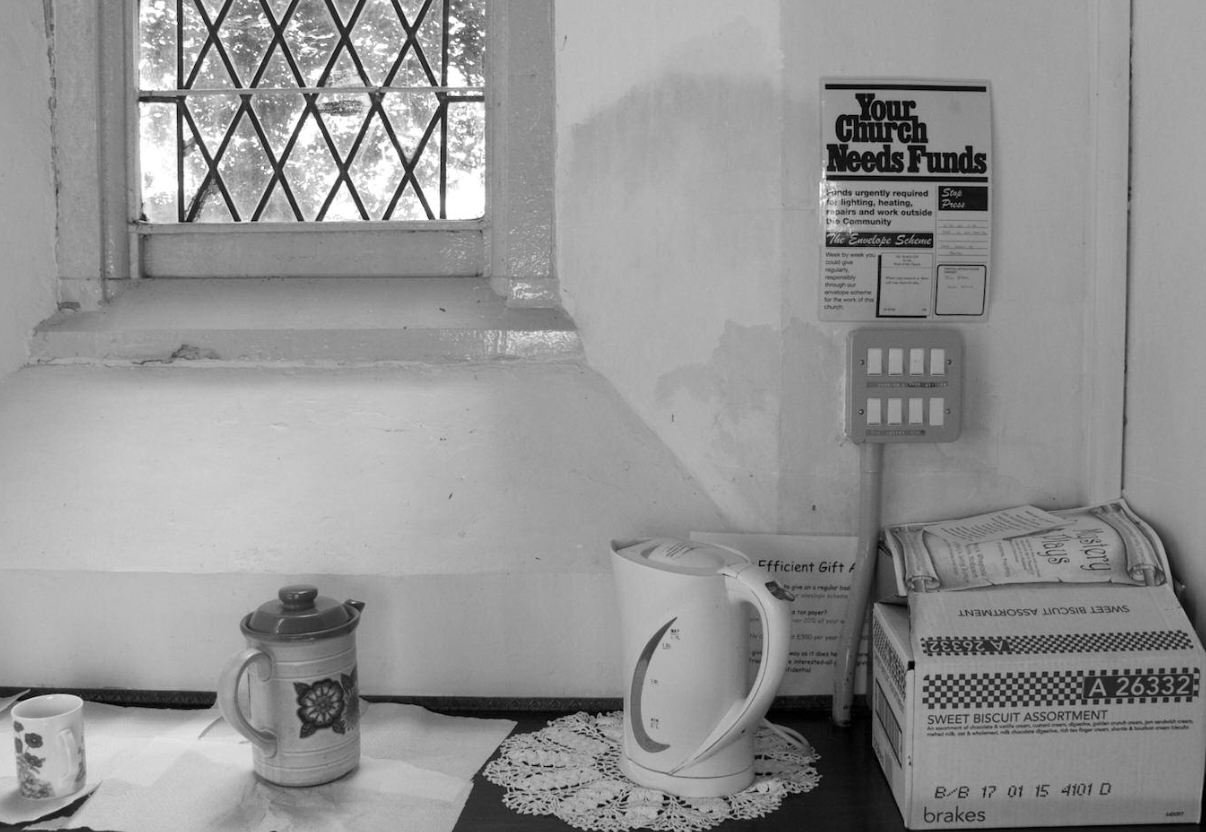


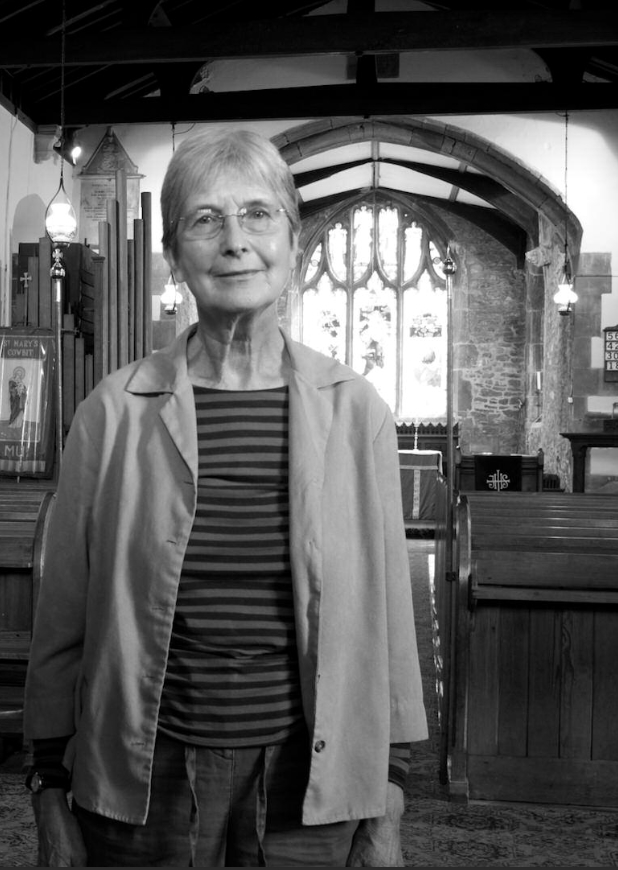

The project centred on those mostly medieval buildings and the people who used them. I met all sorts of people living in these little known, hard-working villages—parents, commuters, priests, farmers, mechanics, artists, labourers, schoolchildren, musicians, carers, bell-ringers, flower arrangers, historians, café volunteers and many more. From our conversations I edited a book in which all their voices meld into a kind of virtual community, between two short essays.
I also took a lot of photographs—portraits of the people, and of the buildings in which they met, worshipped and held events. I wanted to highlight the range of art that each village church holds in its fabric, of course, but also in the exhibitions, concerts and performances it hosts.
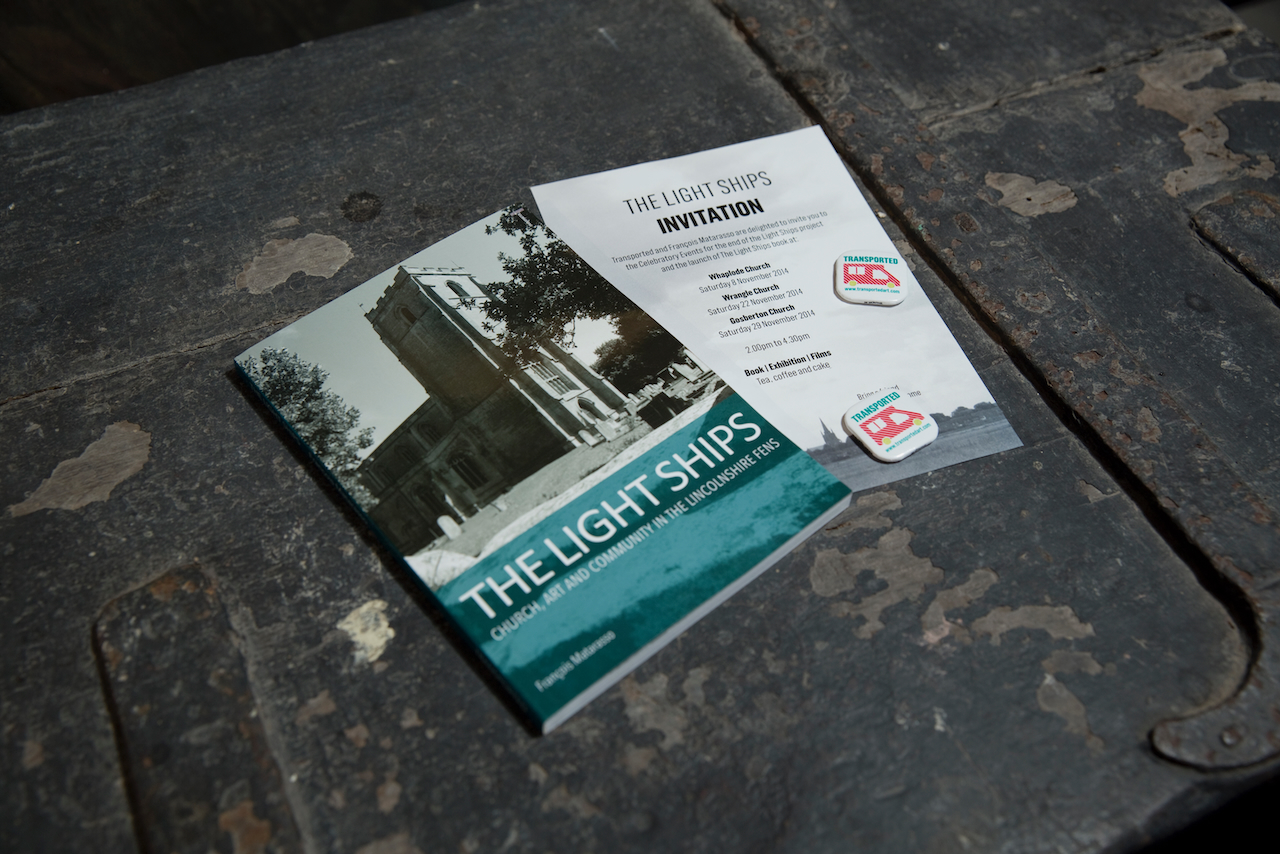
The final book was presented at three late afternoon events, with film screenings—including the extraordinary Wrestling Parson of Moulton Chapel—poetry, bell ringing, organ recitals and exhibitions. Each of the 12 churches was presented with 100 copies of the book to sell to visitors in their unending quest for maintenance funds.
The Light Ships, Church, Art and Community in the Lincolnshire Fens



For me, The Light Ships was a personal homage to three people whose work played a huge role in my visual and architectural education—the art historian, Nikolaus Pevsner, the photographer, Edwin Smith, and the writer, Olive Cook, and the book is dedicated to their memory.
 François Matarasso