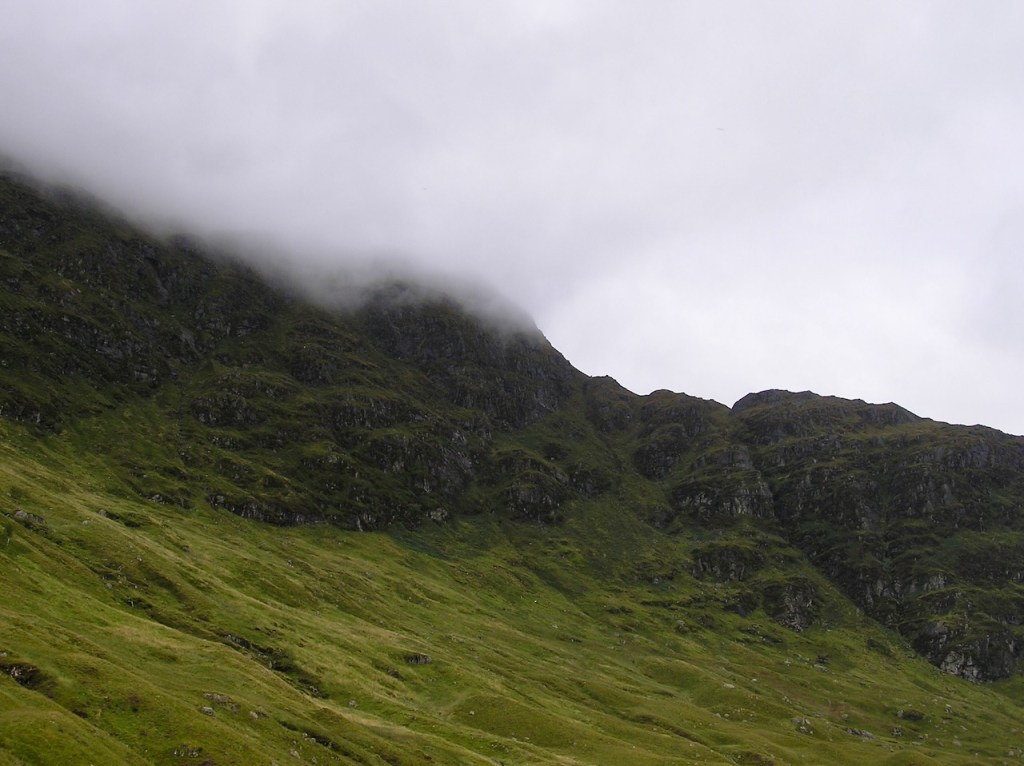
Being freelance means never knowing what you might be doing, or where. It’s one of the things I like most about it. Responding to a commission, or a call for tenders, is a process of discovery, akin to my idea of co-creation. It starts with someone else’s need or interest: my task is then to discover how to respond. At its best, it leads to outcomes that exceed expectations because they couldn’t have been foreseen. Everything depends on who is involved.
That’s true of much of my work in Scotland, where I was often between 1994 and 2016. Mostly, it was research, not community art, though the commonalities in my way of working are clearer to me now. I learned both by doing, and by observing what others did. The strengths and weaknesses of that approach still to give me food for thought, but I know it suited my temperament — in truth, I don’t think I could have done it any other way.
At the same time, it’s a conscious ethical and political position that defends the possibility that value can be created beyond — indeed in opposition to – the power of cultural and academic institutions. There is more than one way to live in the Highlands.
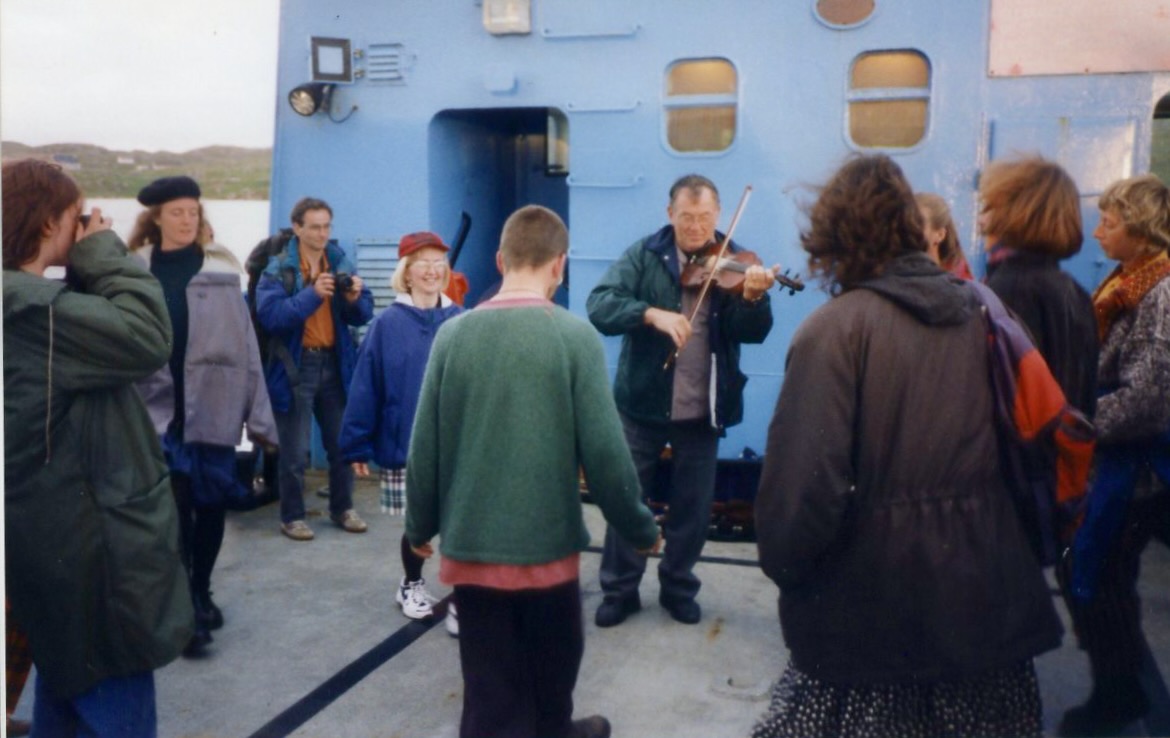
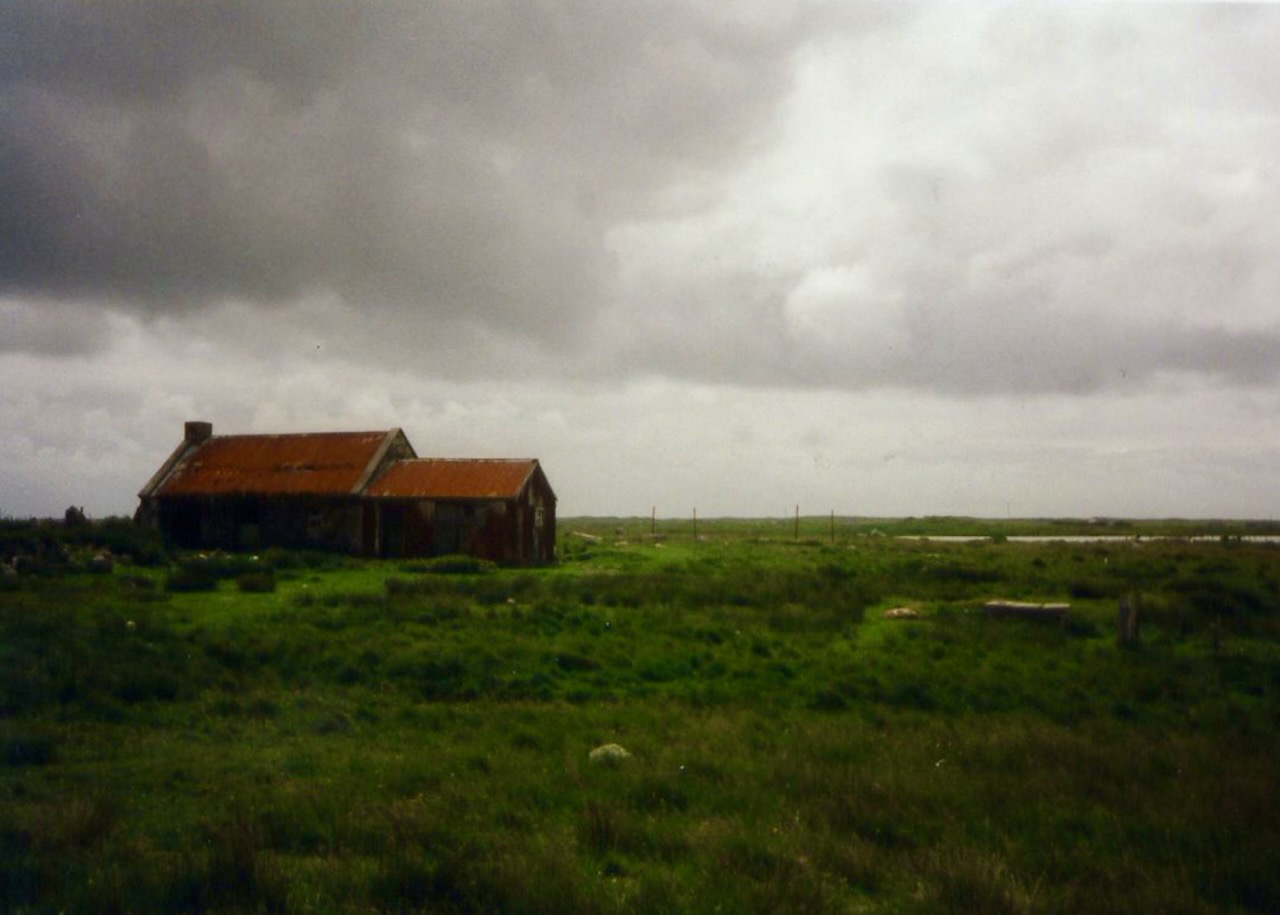
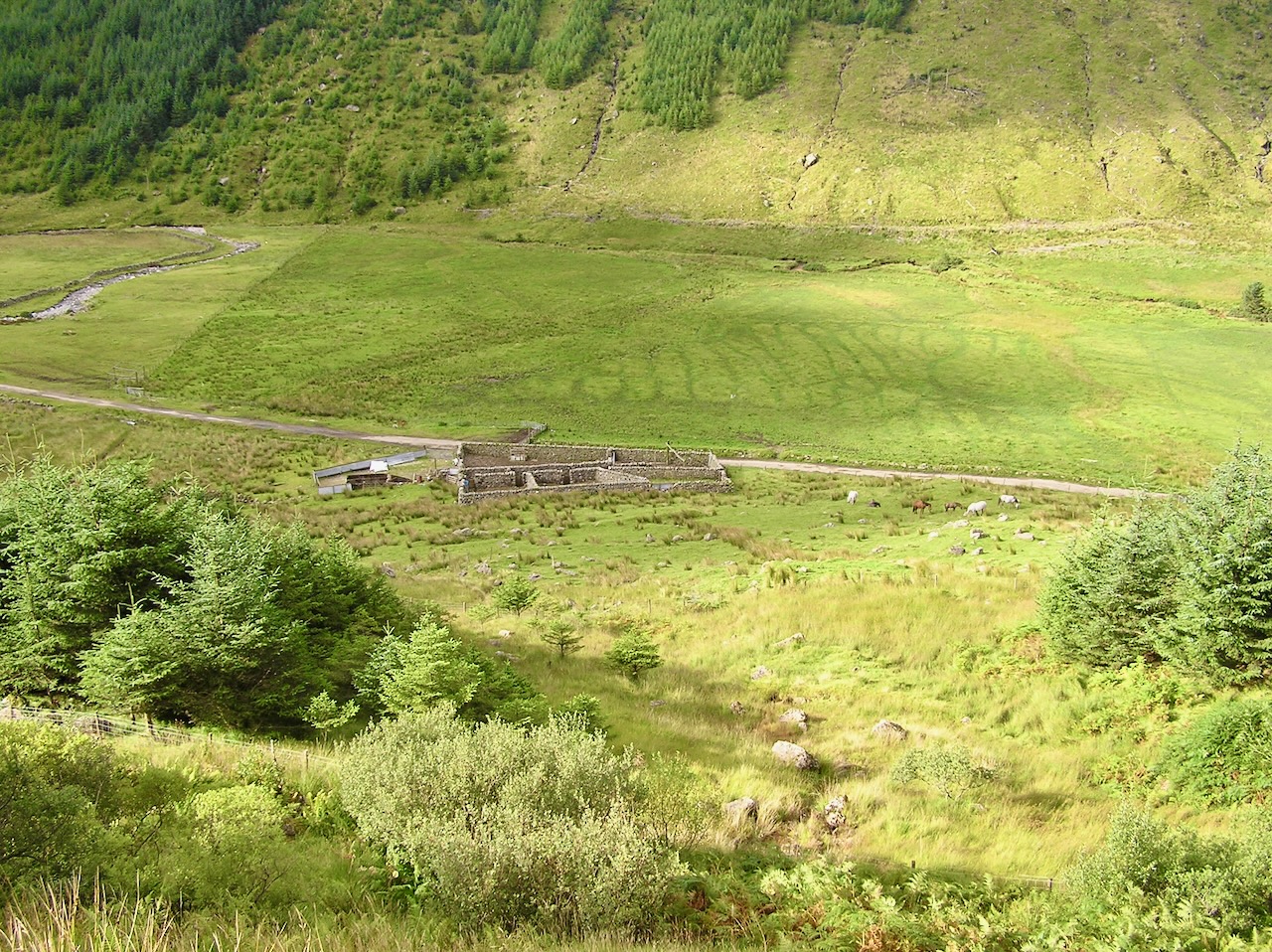
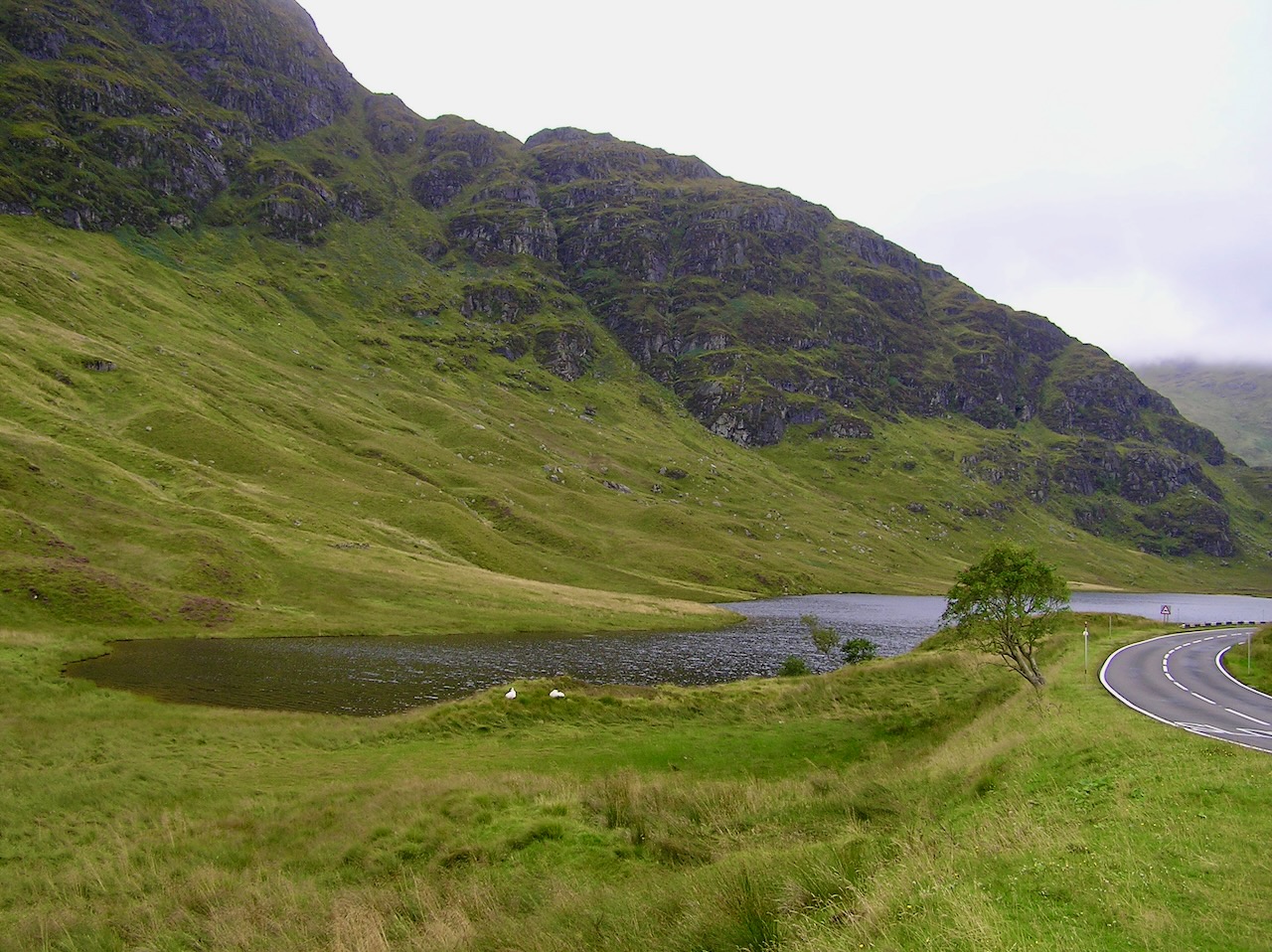
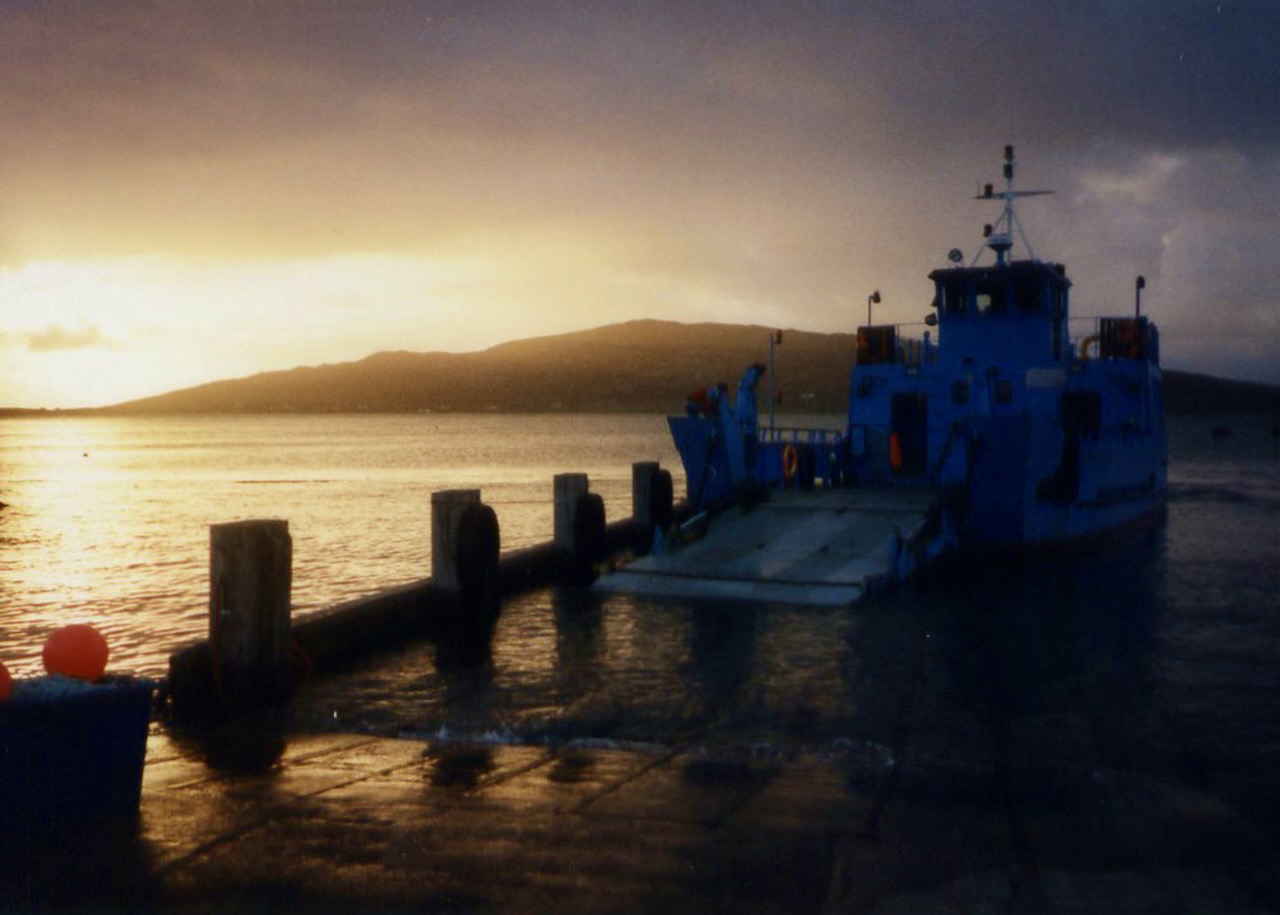
From all my work in Scotland, I’ve added three research reports to this website. The first is the case study of the fèisean (Gaelic festivals) that formed part of my work on the social impact of participation in the arts. The second is my account of a generation of cultural development in Orkney, produced in 2011. The last is a cultural portrait of Aberdeenshire from a few years later.
Scotland is a huge, diverse and beautiful country, and I’m very fortunate to have spent so much time there. But it’s the people I remember most – their creativity and their commitment, the riches of their culture, and their generosity in welcoming a stranger.
Well, my heart’s in the Highlands at the break of day
Bob Dylan, ‘Highlands’
Over the hills and far away
There’s a way to get there and I’ll figure it out somehow
But I’m already there in my mind
And that’s good enough for now
 François Matarasso