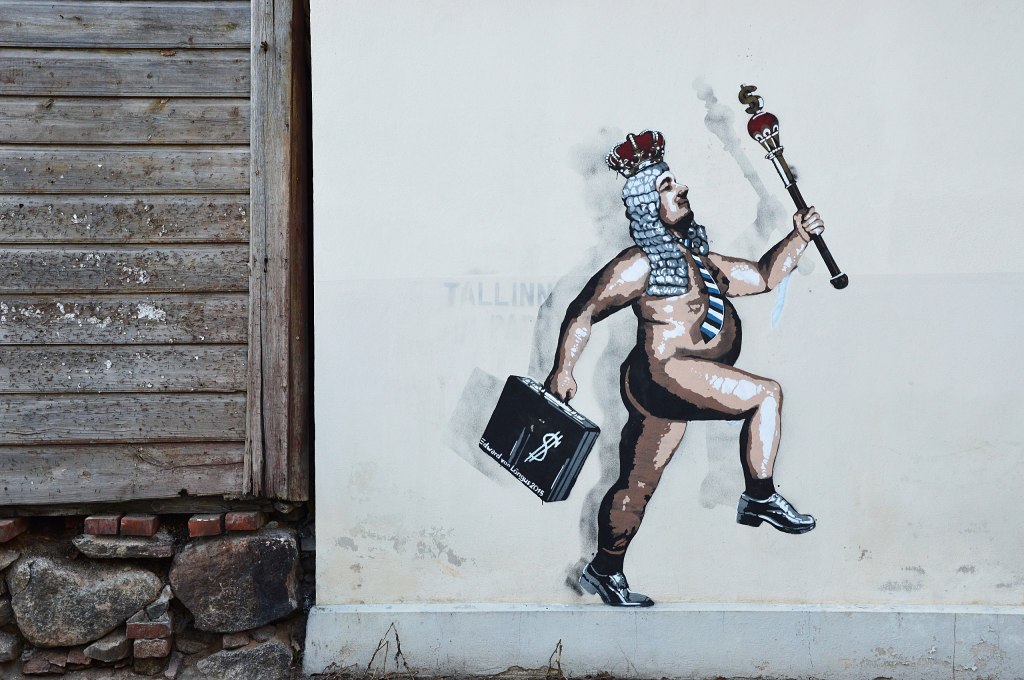
This post will be the last for a while as I’ve stopped work for cancer treatment, and even reposting texts is more demanding than necessary. So here’s an old post about the dangers of self-importance. What we do in the arts only matters if and because it helps us live better, kinder, richer lives. It has done that for me, in spades. Illness is ordinary and I only wish that everyone everywhere had the same standard of care that I’m receiving. I’ll see you when I see you.
2 March 2014
‘I want to change, but not if it means changing,’ a patient once said to me in complete innocence.
Stephen Grosz, The Examined Life, 2013
This insight from psychoanalyst Stephen Grosz came to mind as I listened to some of the discussion at and around the latest ‘State of the Art’ event. He goes on to explain that, since change means loss, his patient’s desire is not irrational. But an individual’s ability to stave off psychological change, even at catastrophic expense to themselves and others, is one thing. The capacity of institutions, societies or cultures to resist change is quite another.
A special self-image
A similar paradox struck me a few years as I sat listening to directors of European cultural institutions sympathise with one another’s difficulties in attracting more diverse audiences. They wanted to change, yes, provided it didn’t involve running their theatres and concert halls differently. They wanted the problem solved, but not at the cost of adapting to the reasons for its existence. The self-image on display was far from any reality I could recognise, but it was safe while no innocent pointed out the speakers’ complete nakedness.
The self-image of the subsidised arts is democratic, open, welcoming, accepting and liberal. But these excellent qualities are harder to maintain in some circumstances than others—particularly among people who have different experiences, interests and values.
Children and cultural institutions
Take the pretty uncontroversial instance of access to art and culture by children. The cultural profession is vocal in advocating this, not least because people believe, though I’m not sure on what evidence, that if they get audiences young enough, they’ll keep them for life. (Actually, I suspect that taking my younger child to a ballet matinée at the age of nine may have put them right off it: there’s certainly been no interest in it since.)
In practice though, children are welcome in galleries, theatres and museums when they behave like small adults or when their spontaneous response to cultural experiences is marshalled by education staff, parents or specially organised events such as pantomime or museum sleepovers. The dedicated offer of cultural pioneers the Unicorn Theatre or Seven Stories remains, in cultural policy terms, marginal, precarious—and brilliant.
There are mainstream exceptions too—admirable, family-friendly cultural institutions in all fields. (The Globe, for both artistic and financial reasons, feels like an example of how to be more accessible without making a fuss about it.) But in a field as large as culture, there are always examples of new or next practice. The risk is that they are used as cover by the rest to avoid facing the need to change.
Making children and families feel truly welcome in cultural venues and arts events might mean changing opening times, signage, facilities and—the real breaking point—programming. Not all of it, not all the time, but enough to make it as easy for a family to go to the theatre in a regional city as to the cinema. Existing audiences might resist sharing some of their time and resource. They might not be happy if the gallery does not have the atmosphere of a church all day, every day. But, at that cost, there would be some real change.
Serious about change
There’s one way to show seriousness about change: start changing. It isn’t easy. It takes imagination, creativity and courage, but those are widespread in the arts if you accept the profession’s self-image.
People who are angry about how the world is now will argue vocally against a loss of standards, by which they mean departure from an unreal idea of what a good gallery, theatre or concert hall was in 1890. But, for better or worse (and sadly for them) stopping the world in 1890, in 1950 , or even today is beyond anyone’s power. As Stephen Grosz says, change brings losses. What matters is whether we choose what to let go of and what we choose to move towards.
That’s leadership: understanding what’s going on, knowing what you believe, setting a direction and persuading others to come with you. Leadership is not seeking protection among your peers while saying how much you’d like or intend to change. It’s not walking around without any clothes on.
The image shows the stencil graffiti by Edward von Lõngus. Kitsas Street in Tartu, Estonia, 2015, from a photograph by Ivo Kruusamägi, via Wikipedia. This post was first published on the old ‘Parliament of Dreams website’ on 2 March 2013. It is republished here without changes or updates.
 François Matarasso

Responses to “Naked emperors”
Excellent article as always Francois. I will miss your insightful posts and wish you a speedy recovery to return to writing at a future time!
LikeLiked by 1 person
Dear Francois
I just wanted to send you good energy for your treatment.
I hope it all goes well. Take the rest you need.
All my best
Lucy
LikeLiked by 1 person