
The latest episode of the podcast that I co-host with Arlene Goldbard is available today from miaaw.net and all the usual places. This episode is a tribute to a key English arts company, Welfare State International (1968-2006) and in particular to their remarkable handbook, Engineers of the Imagination.

The book appeared in 1983, when I was a young and inexperienced community art worker, trained in visual art practices whose limitations in community art I was discovering (along with my own). It was full of stories about shows, drawings, photographs and practical advice. It was serious, unpretentious and just what I needed.
At the time, I worked from a room in a community centre in a council (public) housing estate in Newark-on-Trent, in the English midlands, and involving local people required a broad range of approach and activities. I found endless inspiration in the Welfare State Handbook, and over the next few years I devised theatre productions, outdoor events, performances and fireshows with local schools, residents and voluntary groups. When my skills were inadequate for our ambitions, I turned to other artists and theatre makers. It was a time of wonderful openness when it seemed possible to do a lot with not very much.
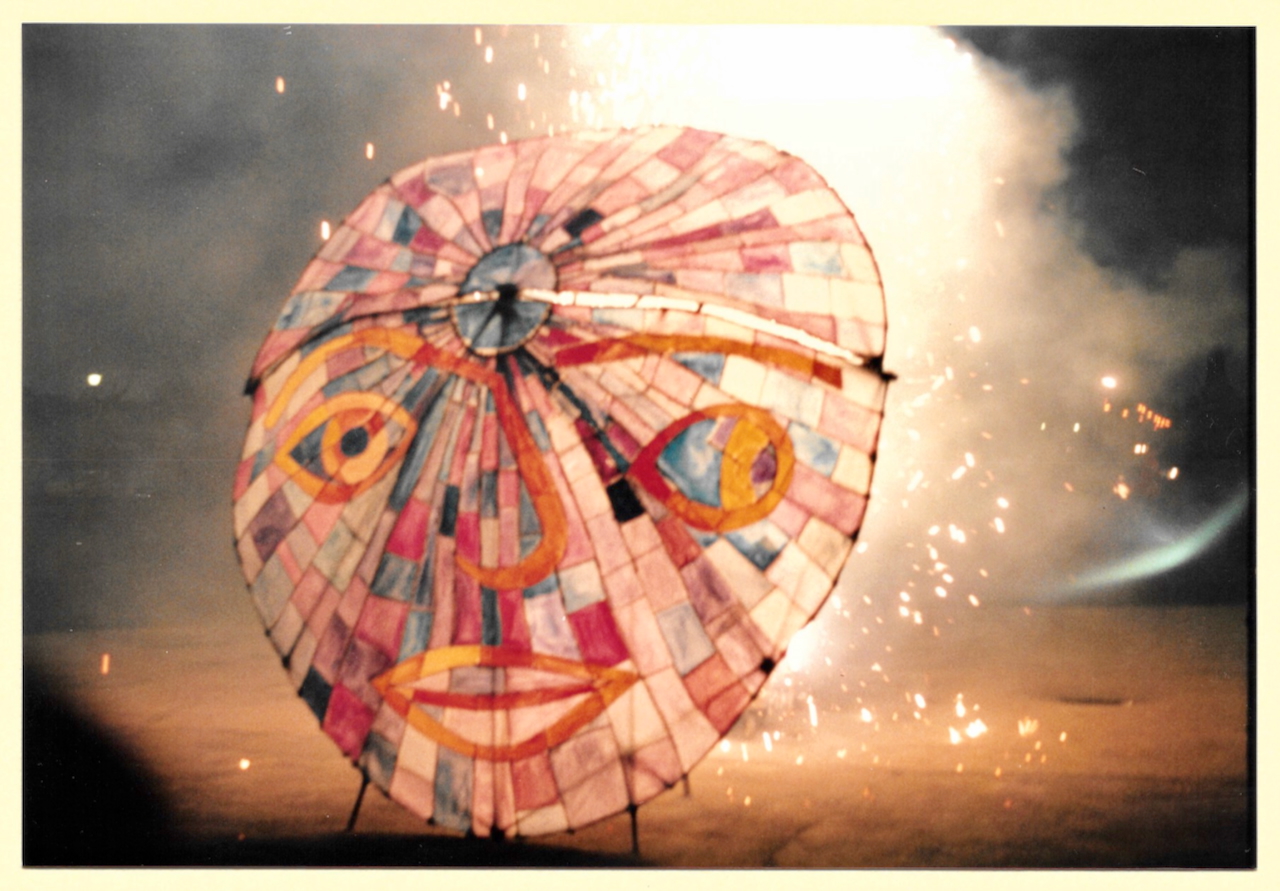
The Terrible Dreams of Hercules Clay was the first WSI inspired fireshow.
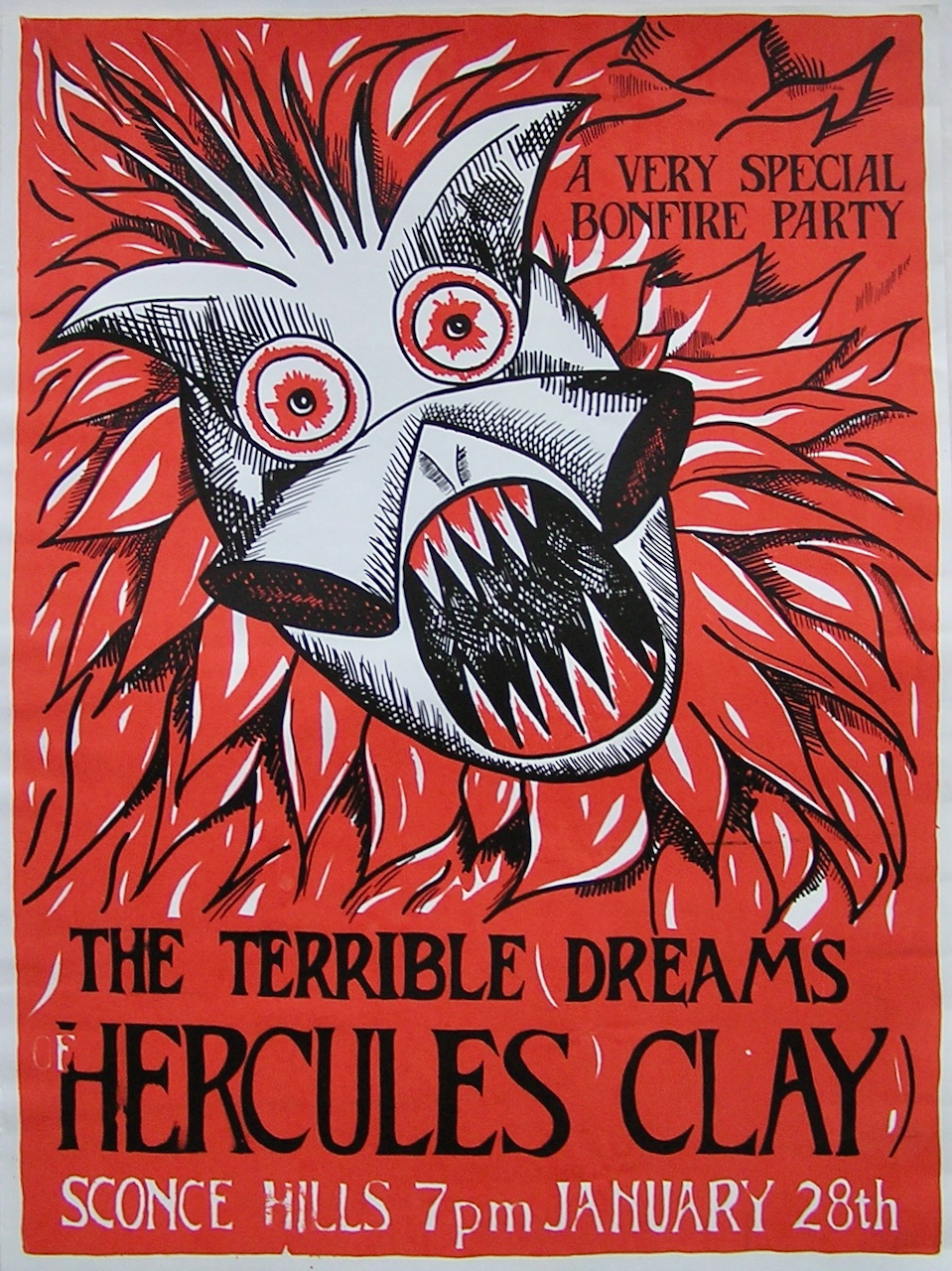


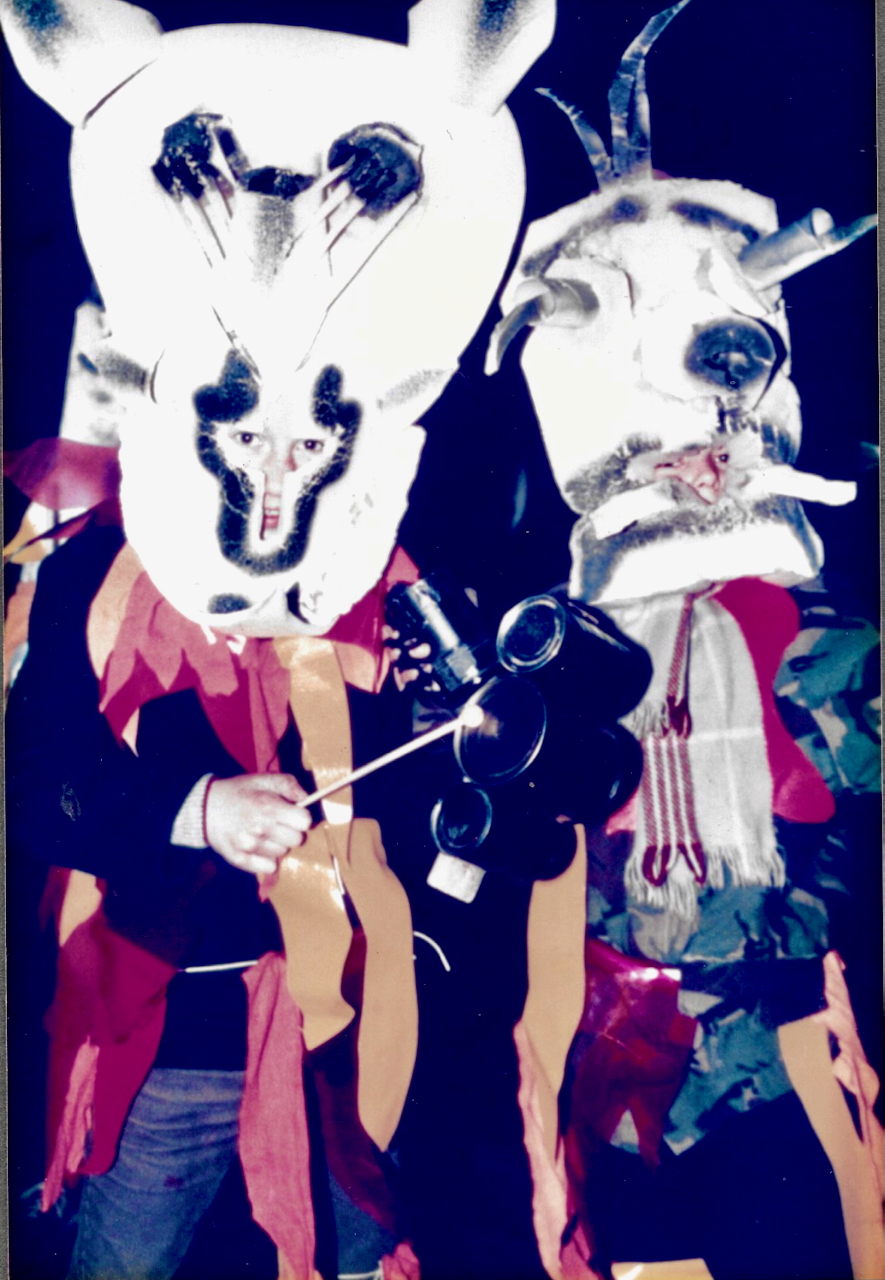


It told the story of an event that took place during the siege of Newark in 1645. Hercules Clay, who lived in a fine house in the centre of town, was assailed by nightmares of being trapped in a burning building. He took these as an omen – the English Civil War was a time of fierce religiosity – and moved out, whereupon his home was destroyed by enemy artillery. It was a story made for recreation around a bonfire, and it was performed in the Sconce Hills park, in front of an earthen fort built during the siege.
We turned to more recent history in another show, The Ghost of Harvey Avenue, which recreated the crash of a stricken plane to a local airfield during World War Two.


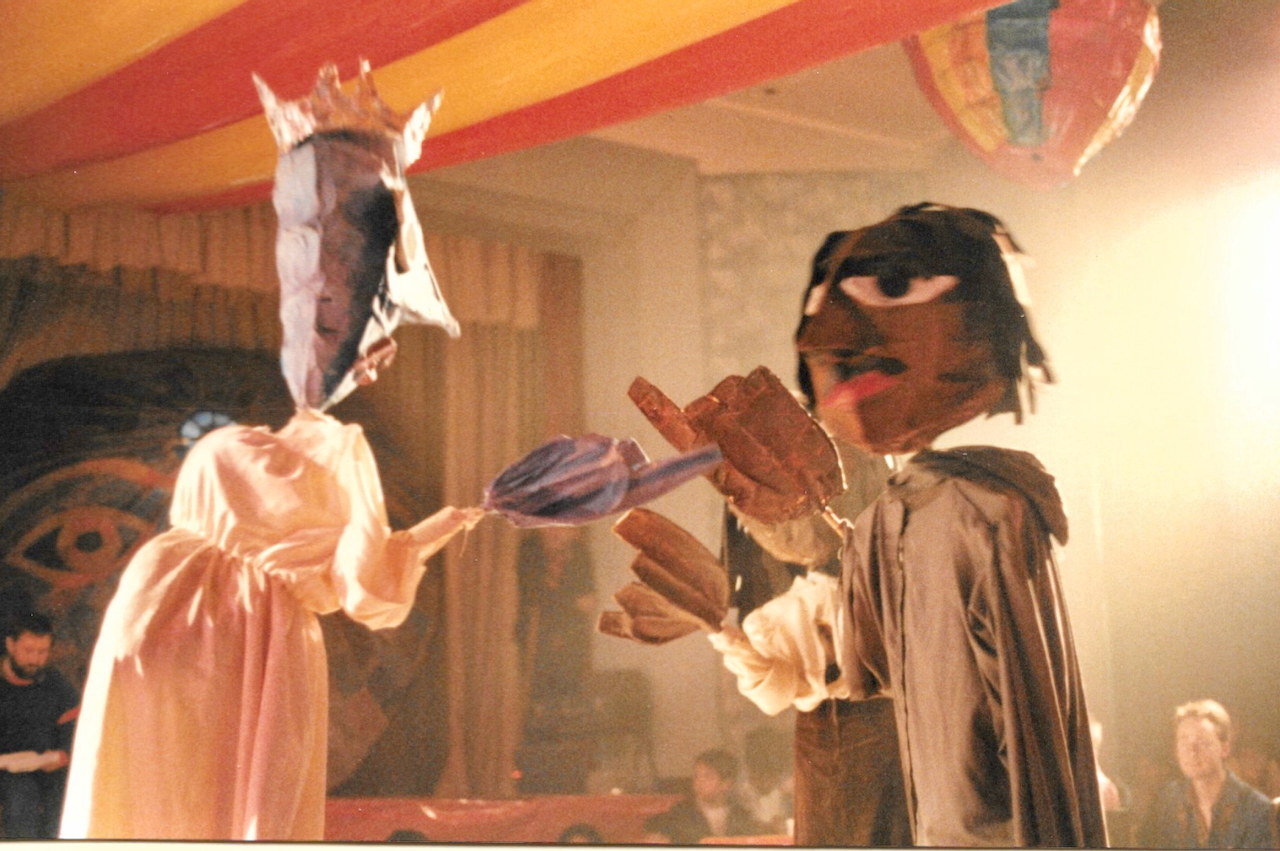
I don’t recall the story of Jack the Giantkiller but it included a dragon and a Norse goddess, which is a good start for spectacle. There’s a script among my old files, but it’s probably best left where it is, The giant hands were a distinctive aspect of how we made the WSI methods our own, but again, I can’t remember whether there was an idea behind them (or if we were even aware of them).


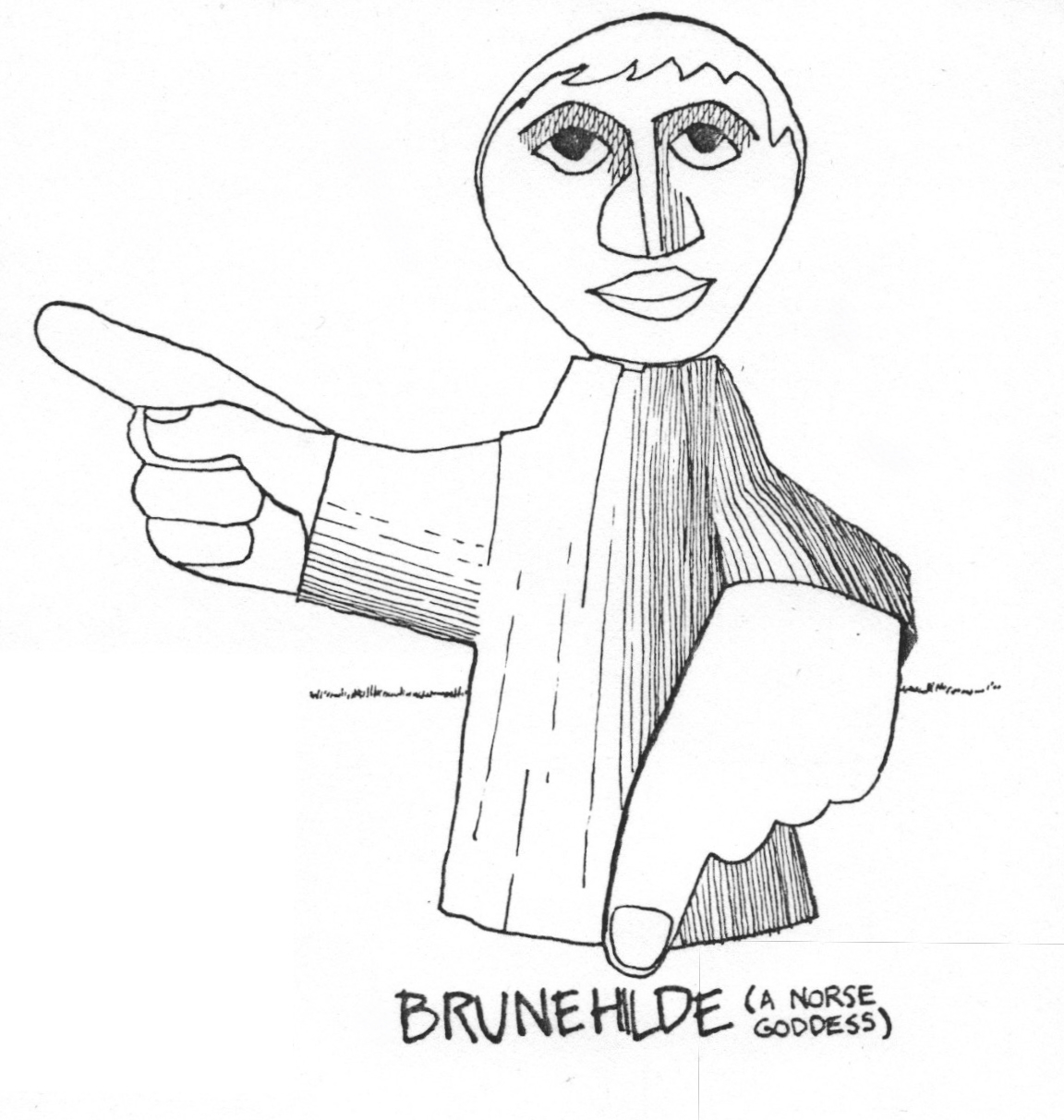
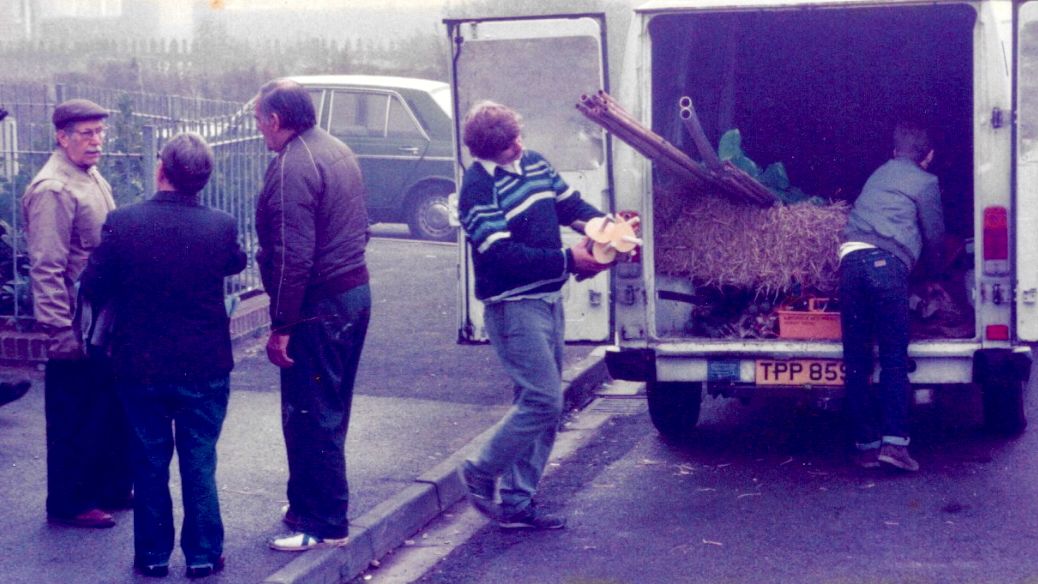


Our craft skills were limited – like WSI in their early days – but everyone was having fun and the techniques being used were forgiving. What mattered more was the story-telling and the sense of a community working together.
The Tempest was more theatrically ambitious, thanks to the participation of New Perspectives Theatre. The audience was invited on board a liner before being shipwrecked on a desert island where they were served a three course meal. We served fish fingers from the belly of a huge papier-maché whale, feeling that Shakespeare had missed a trick in omitting this from his version.

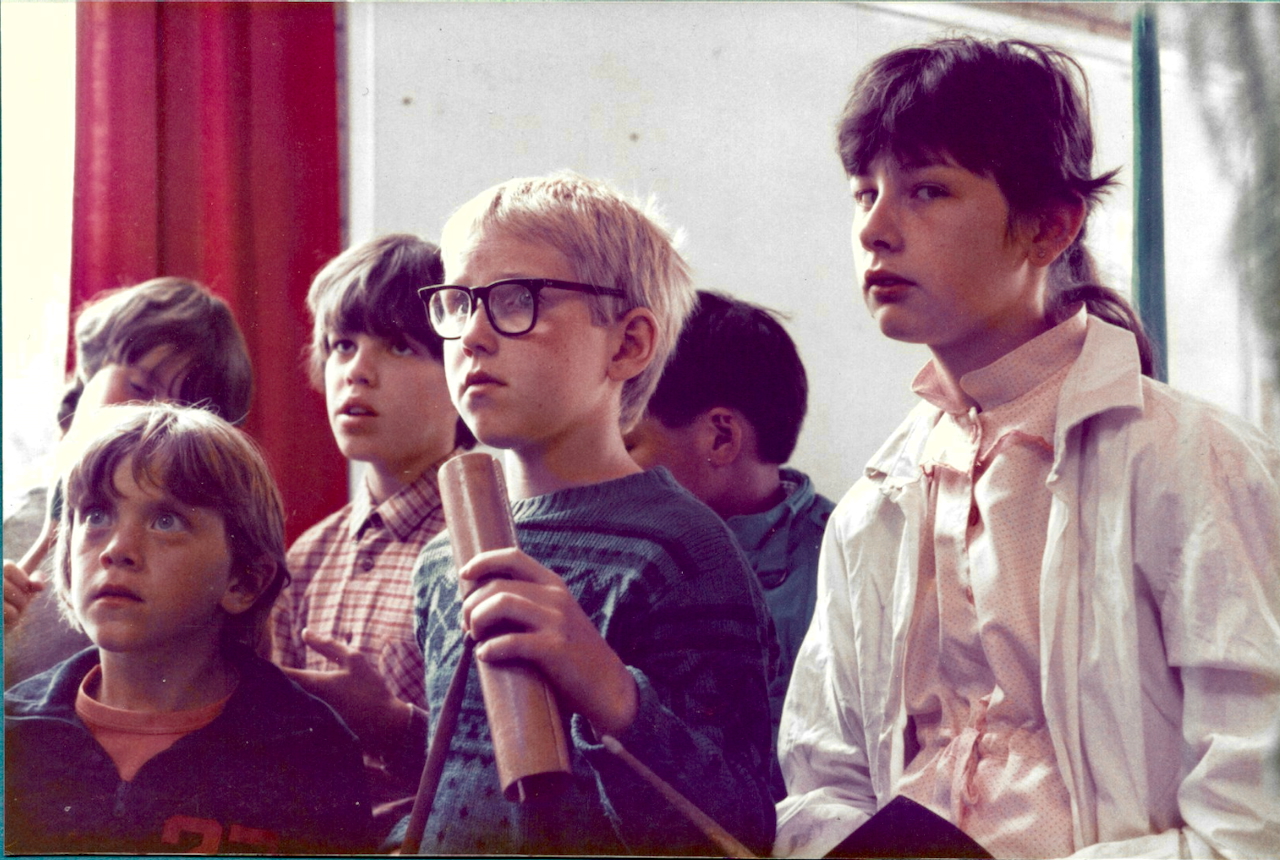


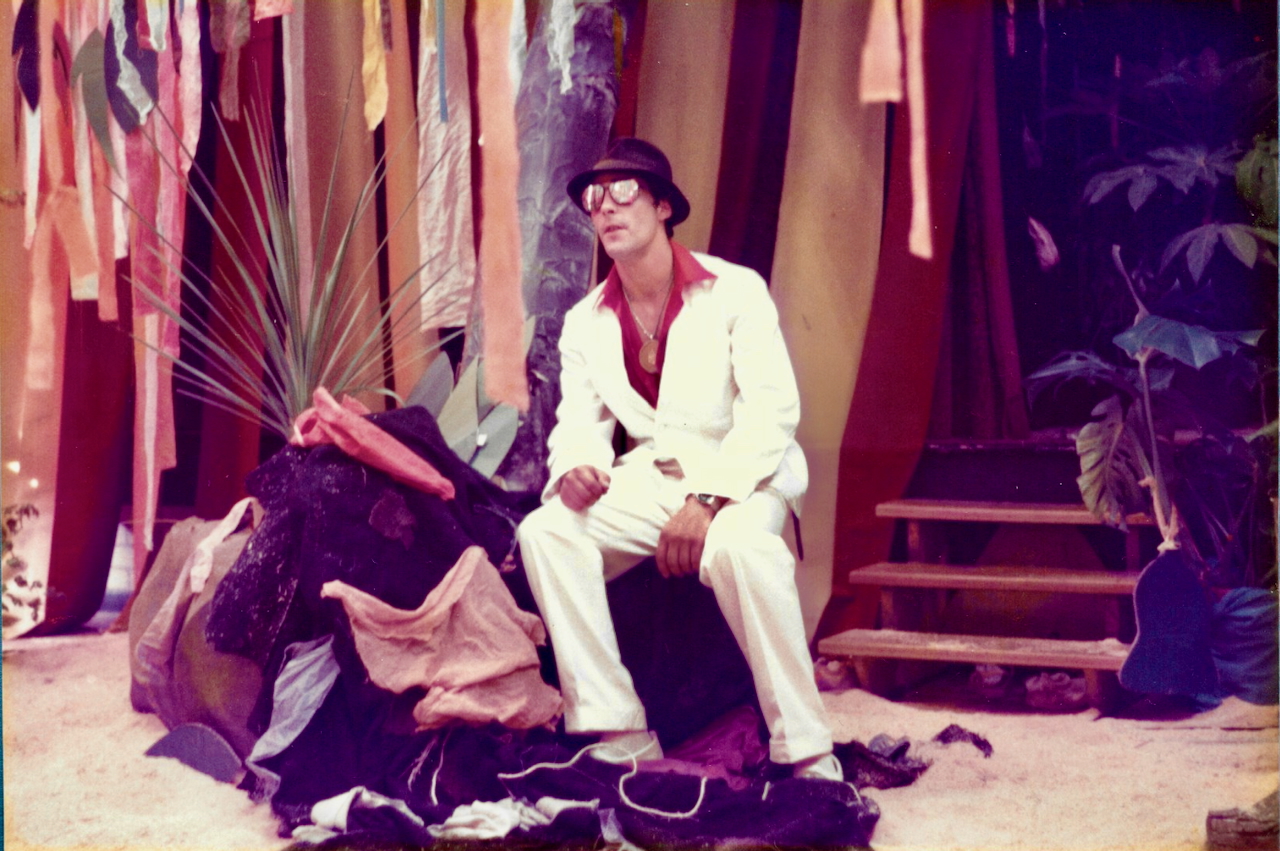
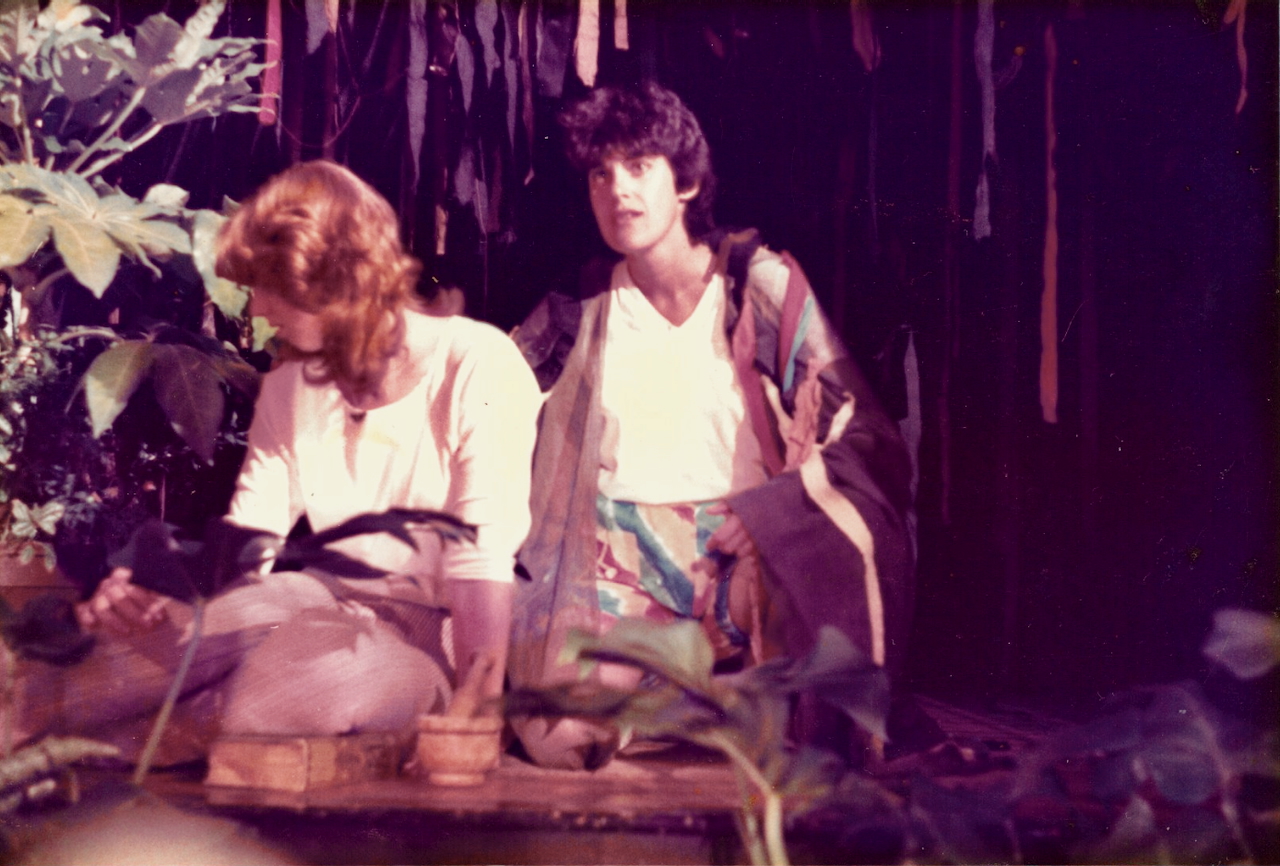
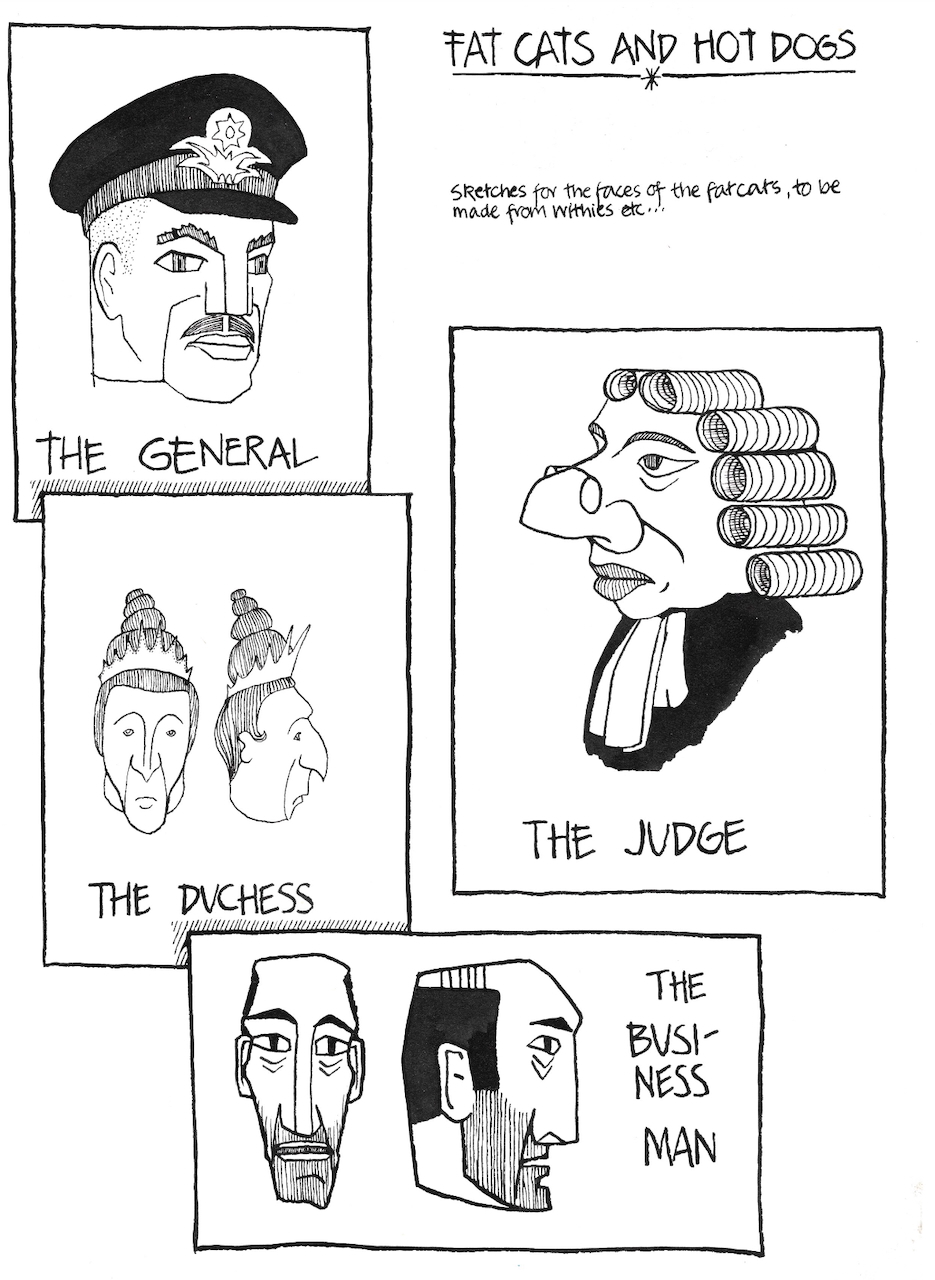
Fat Cats and Hot Dogs, devised and performed with Stephen Lowe’s Meeting Ground Theatre, was about the politics of food. It was created in 1984-85, in response to the famine in Ethiopia. The audience were in a market overseen – and manipulated – by the fat cats. They had dollars and rupees with which they could buy food and drink from stalls, but found the exchange rate manipulated during the course of the show. The music was composed and arranged by my friend Andy Haveron. I’d wanted to mimic Tom Waits’ sound landscape in Swordfishtrombones – like a magpie, I took inspiration wherever I found it – but I doubt anyone but me could hear the connection.
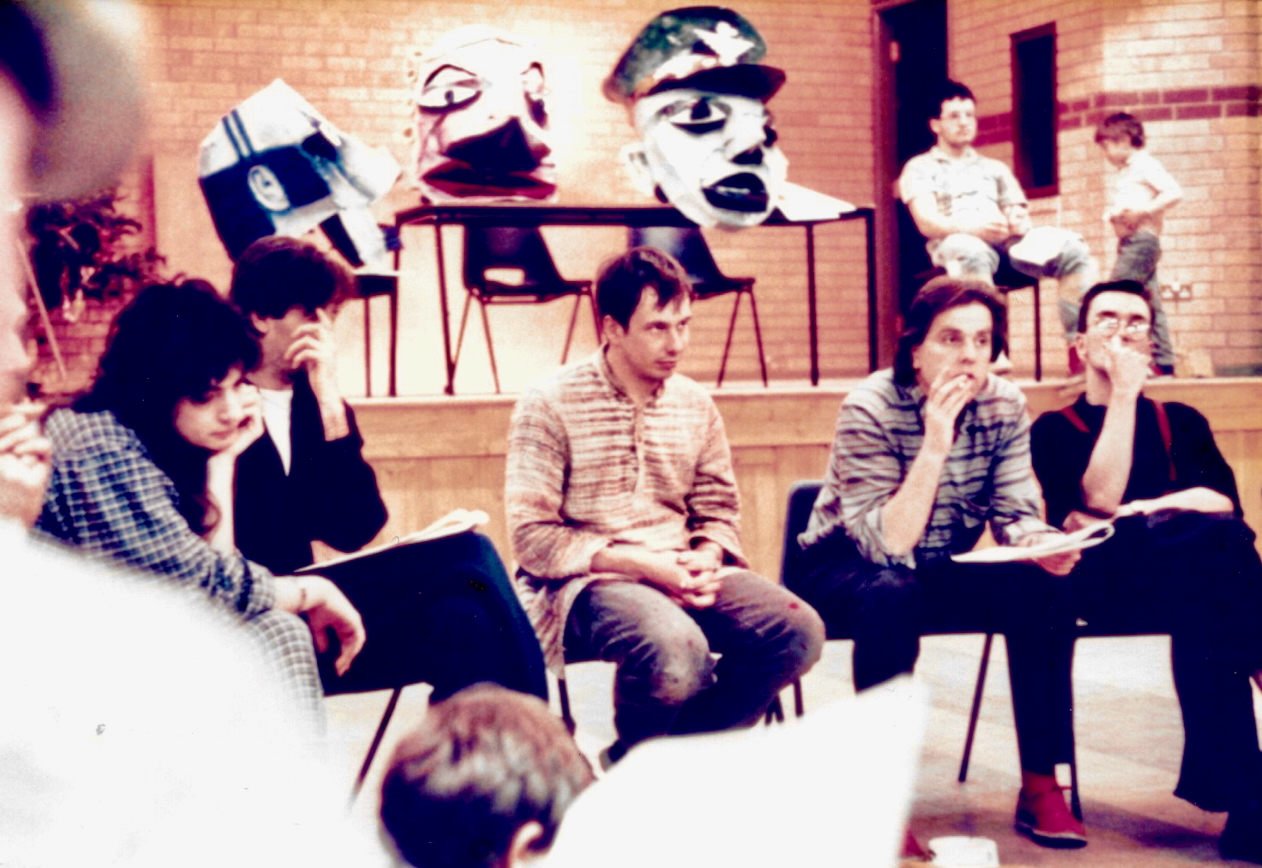


The Ship of Hope had no audience – it was the co-creation of a common object that was dismantled at the end of the day to be taken away by the participants for safe keeping. And so on, and so on…


These photographs give a glimpse of how much my work in the 1980w was influenced by the ideas of Welfare State, but that was only possible because of the company’s essential generosity.


What makes Engineers of the Imagination unique – and made it such a powerful book in its time – is the willingness of the artists to give away their ideas. They not only explain how their productions were developed, they provide detailed instructions on core techniques like building processional figures, shadow puppetry, fire sculptures, music, and much more, even going so far as to provide the addresses of suppliers of raw materials.


For me, this was the true ethos of community art – and far from today’s art world culture, which is concerned above all to protect and exploit intellectual property.
The words of Martin Luther King Jr, written in 1963, resonate with me today as much as they ever did:
Every man must decide whether he will walk in the light of creative altruism or in the darkness of destructive selfishness.
This episode of the podcast is dedicated to John Fox (1938-2025).


Responses to “Creative Altruism – A Welfare State principle”
I think it might be time to re-launch the Ship of Hope François! X
All best wishes
Vanessa
VANESSA OAKES T: *024 7640 7890 M: *07981 907285 I am a freelancer – my usual working pattern is Mon – Fri (noon)
https://vanessaoakes.wordpress.com https://vanessaoakes.wordpress.com/
https://songsforsurvivorsofthe21stcentury.wordpress.com/ https://songsforsurvivorsofthe21stcentury.wordpress.com/
songs for survivors of the 21st century promotional video https://vimeo.com/1007362239/106e4fad69?share=copy
CURRENT PROJECTS: Songs for Survivors of the 21st Century – supported using public funding by the National Lottery through Arts Council England
BOLDtext online publishing project – funded by the Sir Barry Jackson Trust
LikeLike
It was a nice idea, and I still have a piece of it carefully stored somewhere. Looking at it reminded me how consistently hope has been a preoccupation in my work, and how necessary.
LikeLike
A beautiful text and podcast. Thank you for capturing the beauty and brilliance and truth of WSI. They were, and are, and always will be so inspirational and a thing to look up to. Having grown up around Morecambe Bay learning CM work in post-WSI projects – it all seemed normal. Of course that’s what happens and that’s what we do! Isn’t that like everywhere?
And then one day I read THE book and it was transformational for me. A guide that not only showed a way and techniques but also encouraged you to just go do it. Go travel! Find a way – let it be imperfect as it must be – create! And so on. There is no chance I would be where I am without it and no chance of being in this work or world without John and Sue’s work.
Raising a glass (around a small fire) to John.
LikeLiked by 1 person
Thanks Matt, that’s just what I had in mind – the way a generous spirit has spread WSI’s ideas and values like dandelion seeds so that their influence has been very special.
LikeLike