The publication of Talking Until Nightfall in 2020 made it easier for me to acknowledge how being the child of a Shoah survivor has influenced my thinking. In truth, my heritage and my work are inseparable. It is because of my father’s experience during the war, and how it shaped my own youth, that I do what I do. It’s why I return always to Article 27 of the Universal Declaration of Human Rights, which guarantees our right to participate in the cultural life of the community: no one must ever be excluded.
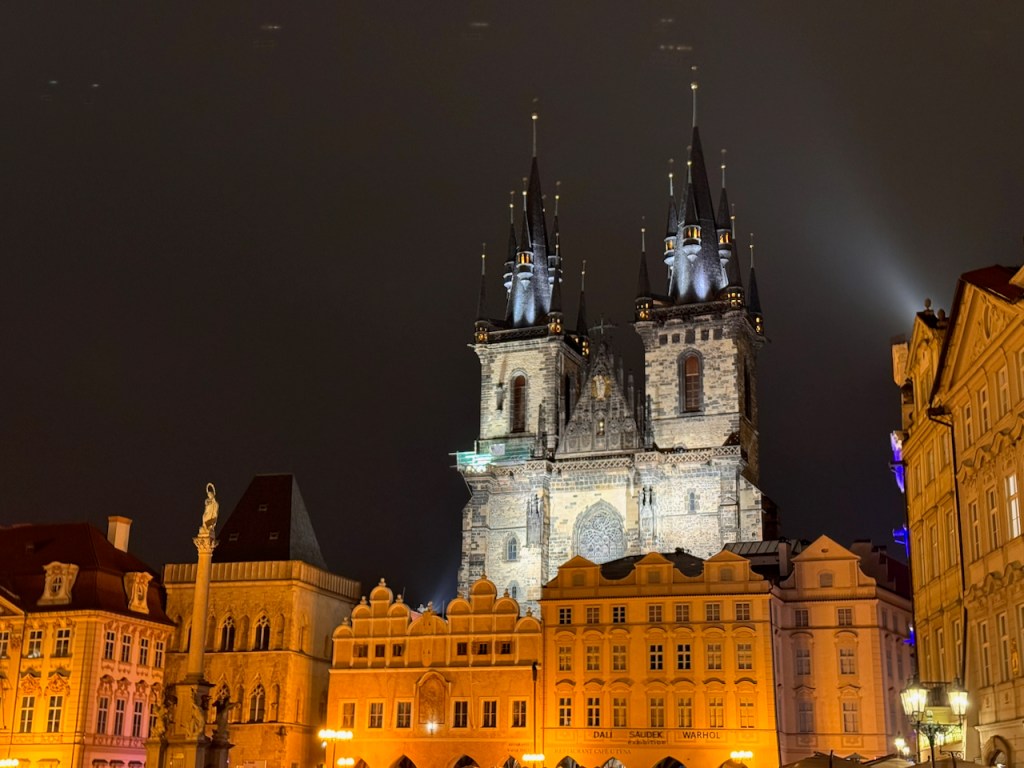
That thinking shapes talks like the one I gave in Prague this week. In speaking about heroic optimism, I was making a case for what I and what millions of others do, based on the idea that it builds individual capabilities, strengthens community and challenges exclusionary structures. It is the only response I have to the current rise of neofascism, the power of corporate technologies, the violence of militarism and the despoliation of the planet.
I was grateful that my words were well received, because it made me feel I might still have a contribution to make, but mainly because it showed me that these ideas are still widely shared, at least among a part of the population.
After my talk, I learned that the Czech writer Ivan Klíma had died. He, like so many of his generation, was an example of the resistance I had just evoked. Their heroic optimism helped sustain others and contributed to the eventual fall of an oppressive regime. I fear we are once again having to stand up for basic human values, to protect the weak and defend the innocent. Some do that by marching and protesting; I can best do it by enacting my values and working to build the world I want to see.
The disasters of the past, and especially those in whose shadow I grew up, compel me to work for a better present, not with pious words (‘never again’) but with the arduous everyday work of co-creation, community-building and mutual assistance. And nowadays, it also demands the courage to see and name what is happening in the world.

