
Exactly forty years ago, on 13 November 1985, the eruption of Nevado del Ruiz in the Colombian Andes produced one of the worst volcanic events in centuries. Lava and mudflows poured down the valleys at a speed of 30mph, catching many people unprepared and sheltering in their homes. The earth engulfed the town of Armero, killing at least 20,000 people and several thousand more in the surrounding area. The Armero Tragedy is a modern day Pompeii, though much less well-known outside Colombia, where it continues to resonate powerfully.
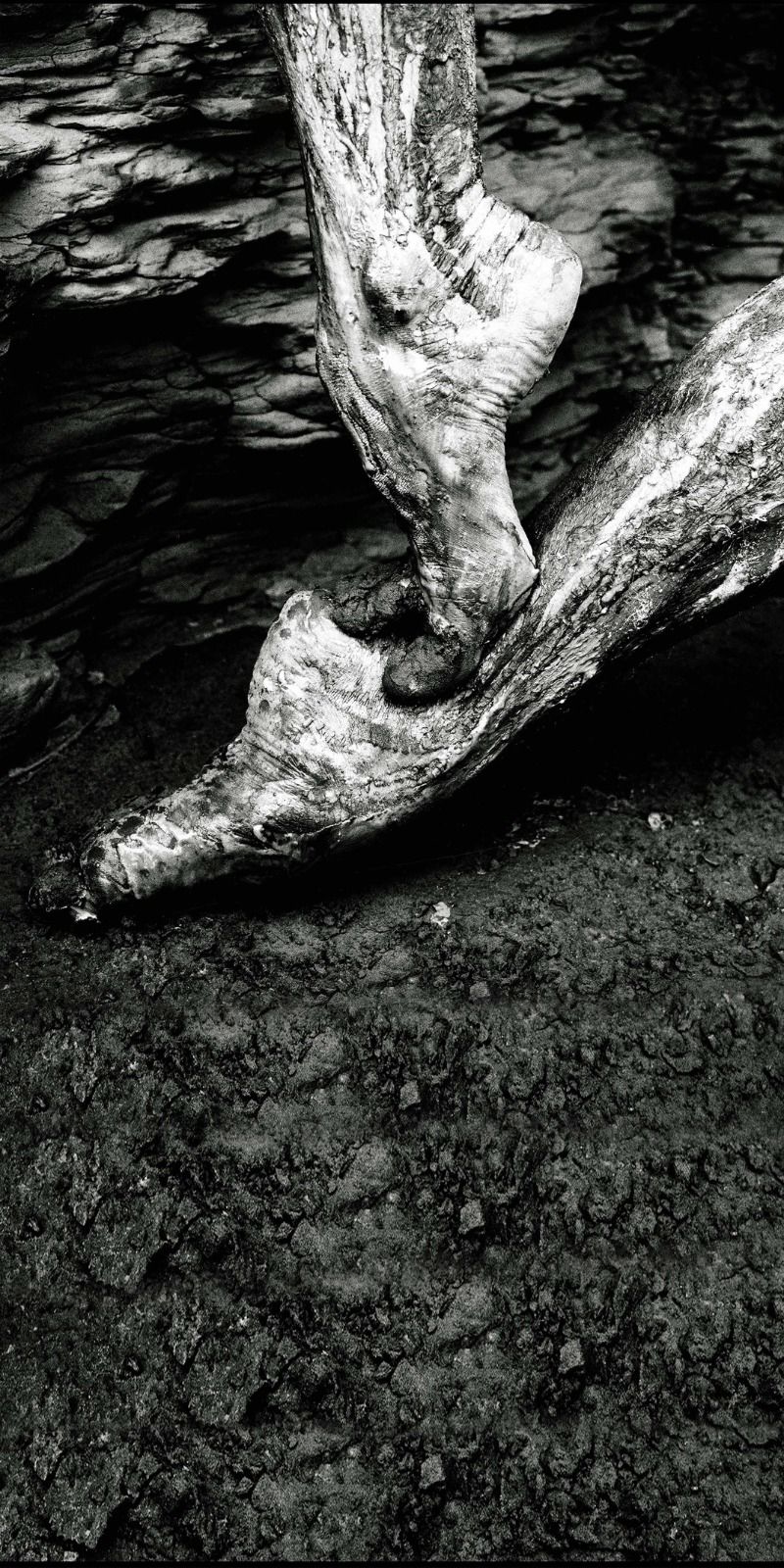


I first heard of Armero in 1998, when Álvaro Restrepo showed me the images he had created with the photographer Ruven Afanador to mark the 10th anniversary of the tragedy. It was my first visit to Colombia and my first meeting with Álvaro: these things made a strong impression on me but none more than this artistic memorial. The photographs burned themselves into the retina of my memory.

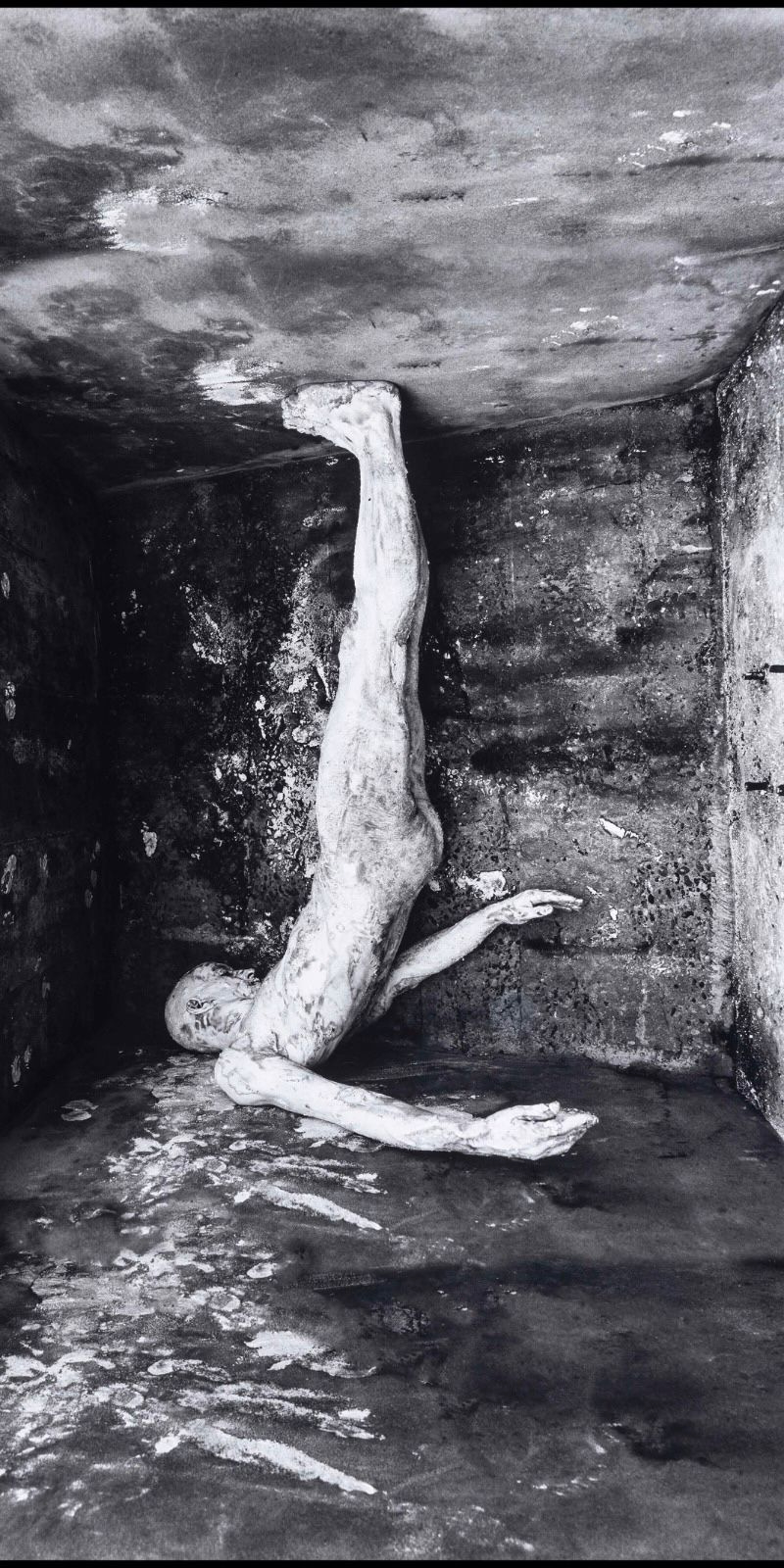

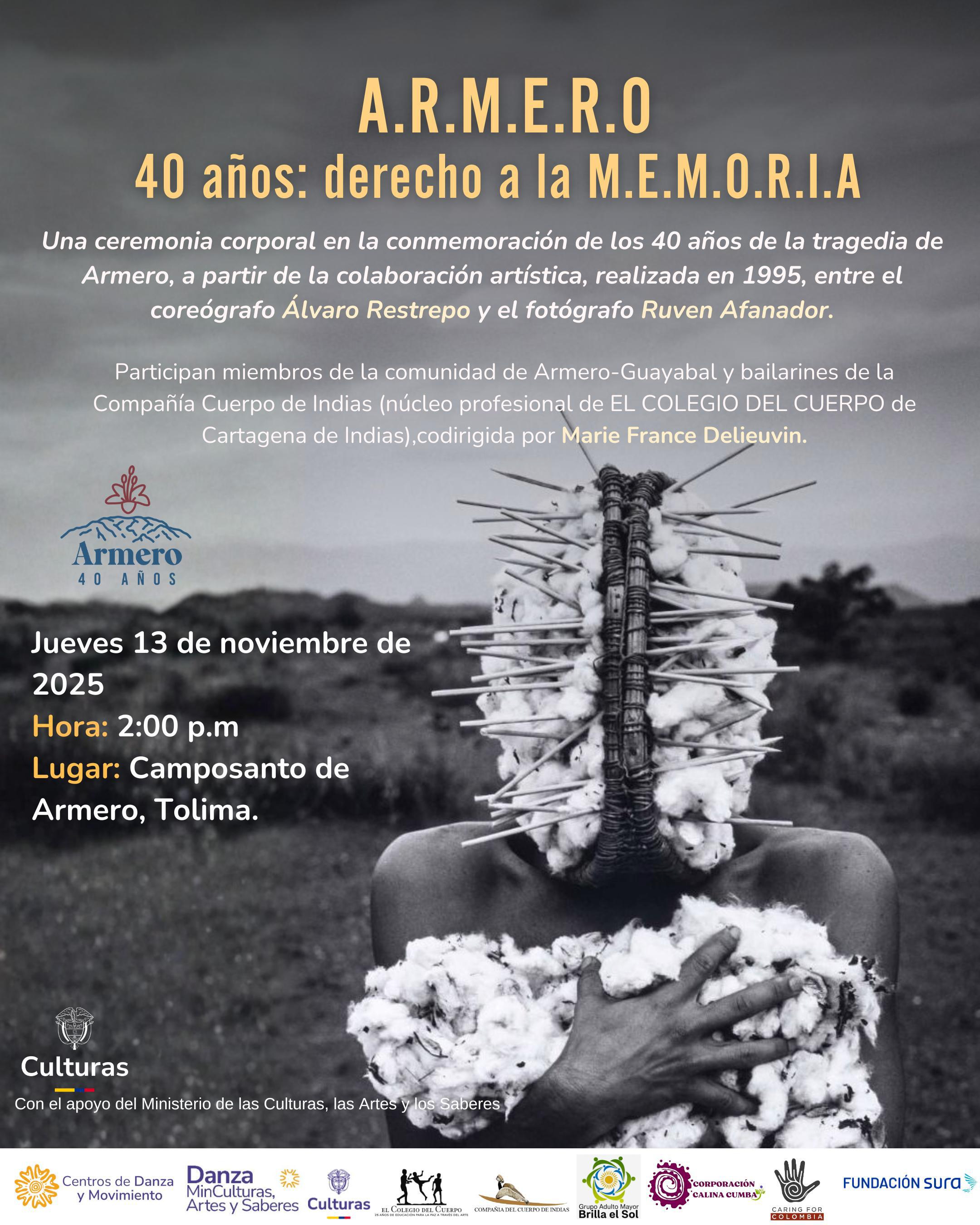
Today, they are once more being shown to honour the lives lost in Armero, this time as part of a performance by the dance company Álvaro has led in Cartagena de Indias since 1997. The professional dancers will perform with 29 non-professionals – local people, including survivors of the tragedy who are now in their 60s, 70s and even 80s.
When I was young, I struggled with the question of art’s value in the face of the vast human needs I saw around me. I didn’t know whether to make my working life in humanitarian aid or theatre, a dilemma that was resolved when I stumbled on the field of community art. I knew where my skills and temperament lay and it was not in medicine or science. Community art offered a way to reconcile my capabilities with my values.
But through contact with artists like Álvaro Restrepo I have come to understand better the complex ways in which art can respond to human suffering and heal the scars that remain after medicine has done its best. In their terrible beauty, these photographs about the Armero tragedy honour those who died and the human potential cut short by the disaster. Life is difficult and not all of us succeed in making everything of it, of ourselves, that we might hope. Some lives are cut short before they seem to have begun; others are constrained by external forces or inner fears. But in these images, so rigorously expressive of their makers’ moral and artistic integrity, the essential dignity of every human being is affirmed. Every life matters, they seem to say, because each has the seed of humanity itself and the hope of fulfilment and goodness.


The pain of an event like the Armero tragedy remains long after the streets have been cleared and the dead buried. The existential questions it presents do not go away; nor do the feelings. What art can do is make those things visible and tangible, so that we can see ourselves more clearly, share our experiences, express what we cannot put into words. Sometimes all we need of art is to mark a reality so that we can begin to live with it.


With thanks to Álvaro Restrepo for permission to include these images. Álvaro’s translation of this text into Spanish appears today in El Espectator as part of a feature on the anniversary of the Armero tragedy.

