
I was five hours late getting to the Liceu opera house on Tuesday, hot and tired after a stressful journey. The speeches were over and performance was under way when I was ushered through the wings to a seat on the stage. The auditorium before me was dark. My breath and my pulse slowed to a normal rhythm as a familiar melody rose from the piano and light began to appear on the first balcony and the faces of the singers. Their voices swelled and the theatre filled with the sound. I was taken back to the night last October when I had seen La Gate Perduda, after another last minute train journey, and understood for the first time just what had been achieved.
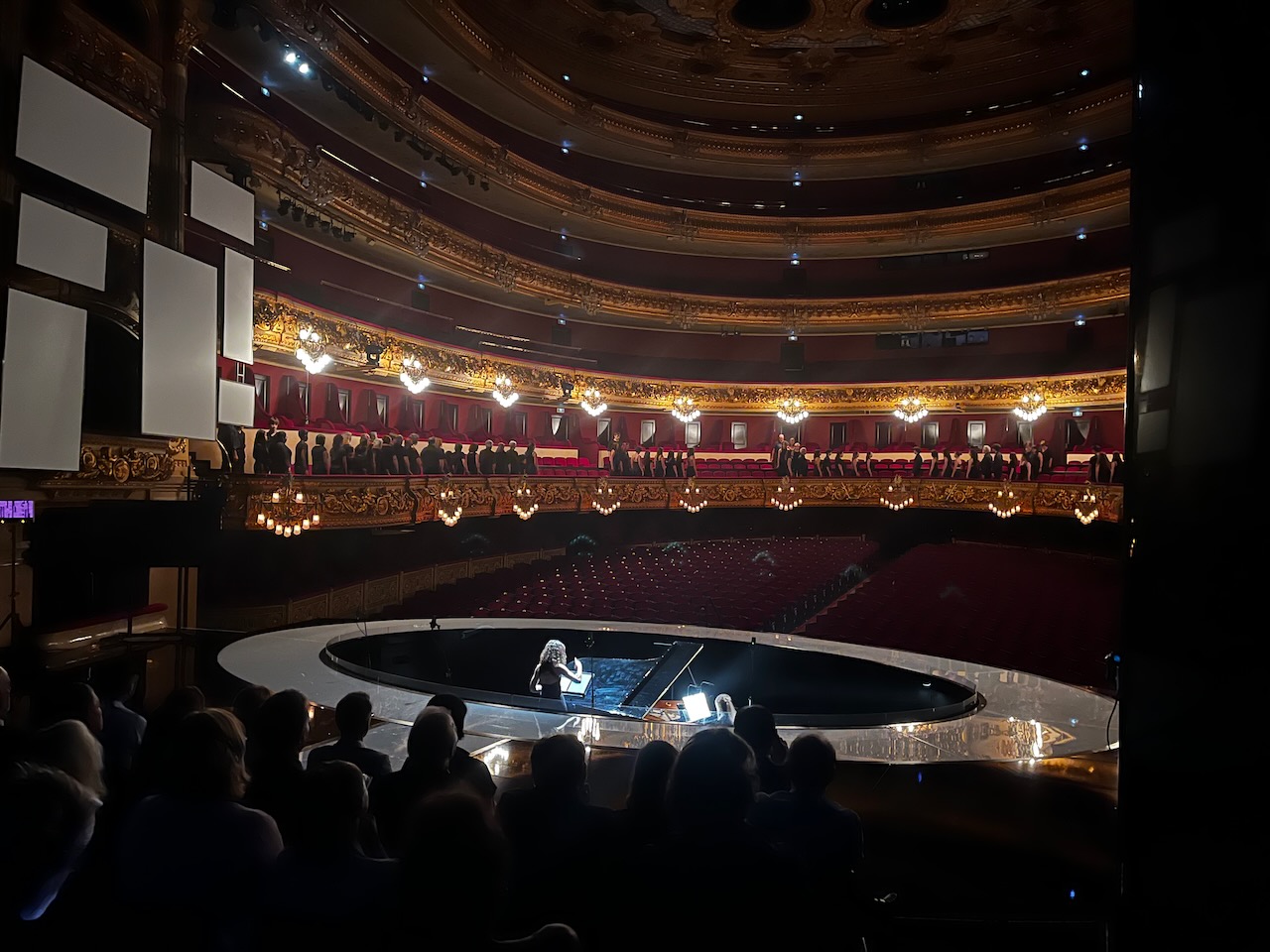
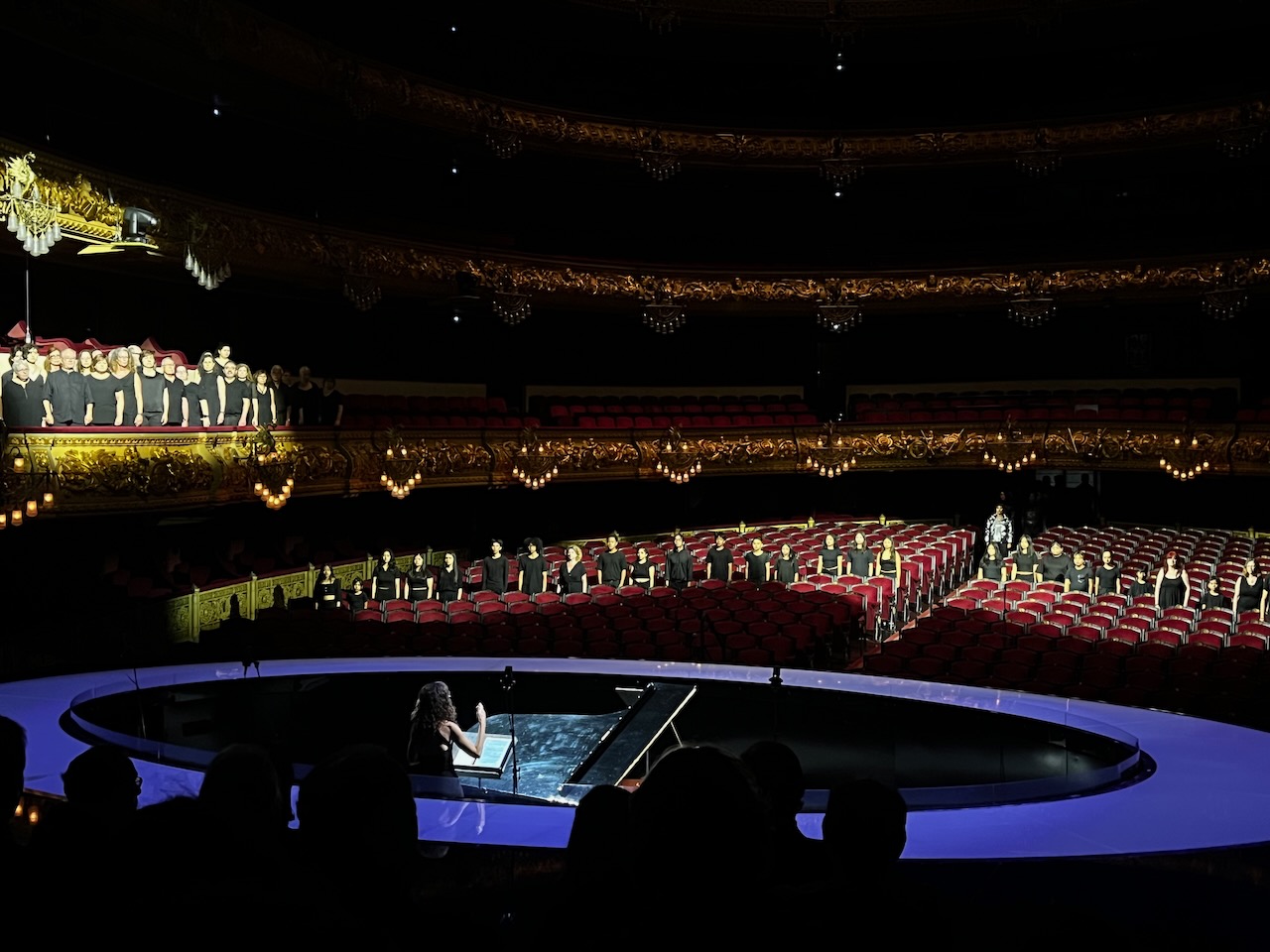


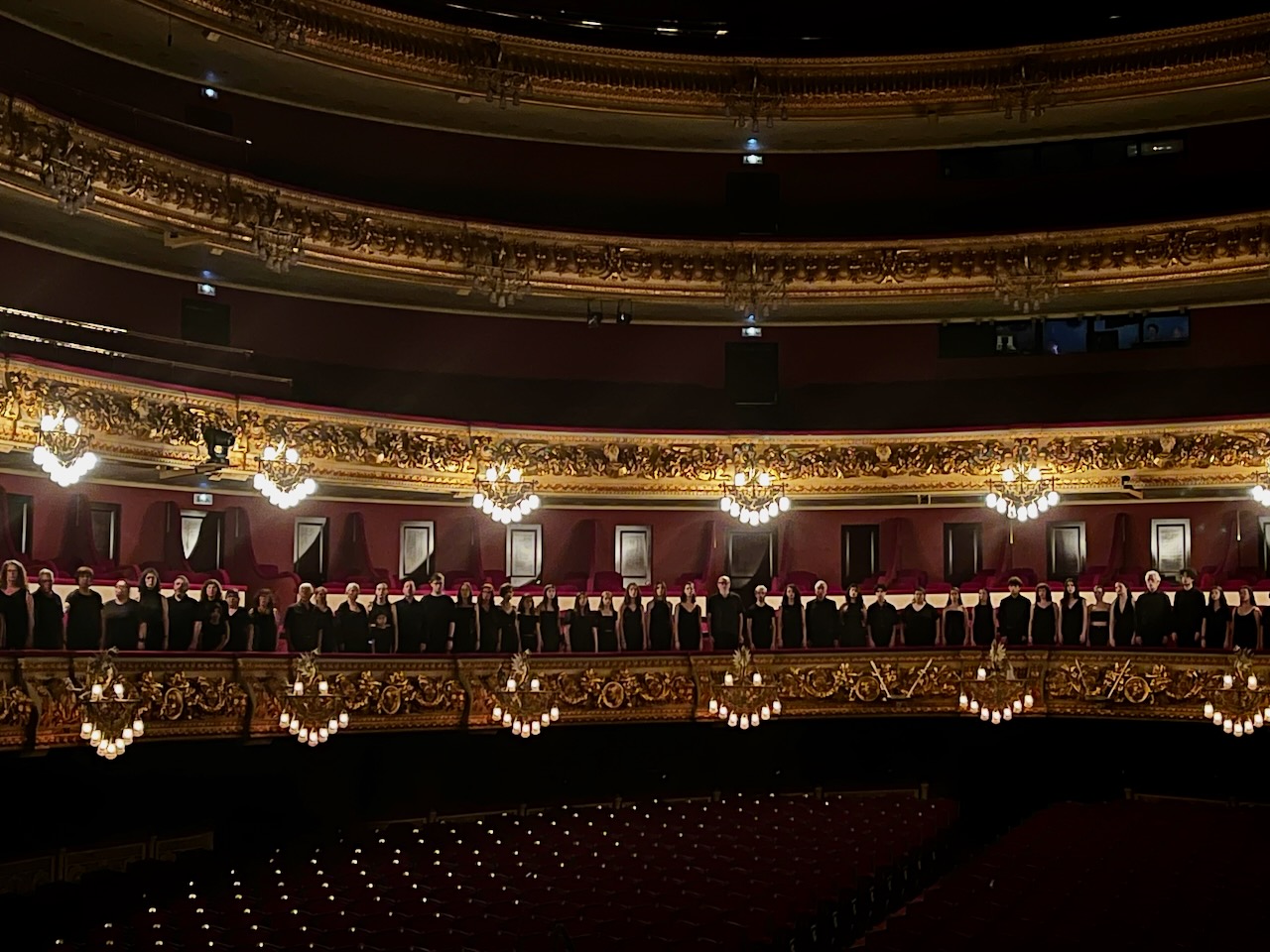
The opera created together by the Liceu team and the people of Raval, the neighbourhood in which the theatre stands was simply extraordinary. The numbers involved (at least a thousand) and the artistic ambition had made me apprehensive when I’d joined the project three years ago, a few weeks before the Covid-19 pandemic. I was confident that there would be a production—there was too much at stake for it not to happen—but doubtful about how it would happen and what it would mean. In the event, everyone, from the opera house’s leadership to the community choir members, from the costume makers to the catering staff, from the student musicians to the designers—everyone rose to the challenge.
What I saw in October was extraordinary, but it was also a bit of a fever-dream. I’d finally caught Covid at an opera conference in Paris where I’d spoken about Traction’s operas, and I’d spent the performance week in bed instead of at the rehearsals. I did get there, but I felt disconnected from everyone because I hadn’t shared the last leg of the journey with them. As soon as the performance was over, I was back into the lonely intensity of writing the reports to be submitted to the EU by the end of the year. The evening I’d spent in the theatre seeing 250 people from Raval claim their place on the stage seemed part of another world, another person.
Tuesday’s performance was unplanned, created for the opening of a conference on creative industries and society organised by the Spanish Presidency of the European Union. It was a chance to perform once again, not the whole opera, but highlights, in a new staging with the audience on stage and the singers in the auditorium. I’d worried—it’s an occupational risk—that the result would be thin. There would be a piano accompaniment, and without the staging and costumes, the new performance might seem a distant echo. In truth, it brought tears to my eyes. The singing came from the heart, as 120 community choir members joyfully seized the unexpected chance to be together again in the music they knew so well. Not needing to act, they leaned into their voices while the pianist gave the sound an ethereal clarity.
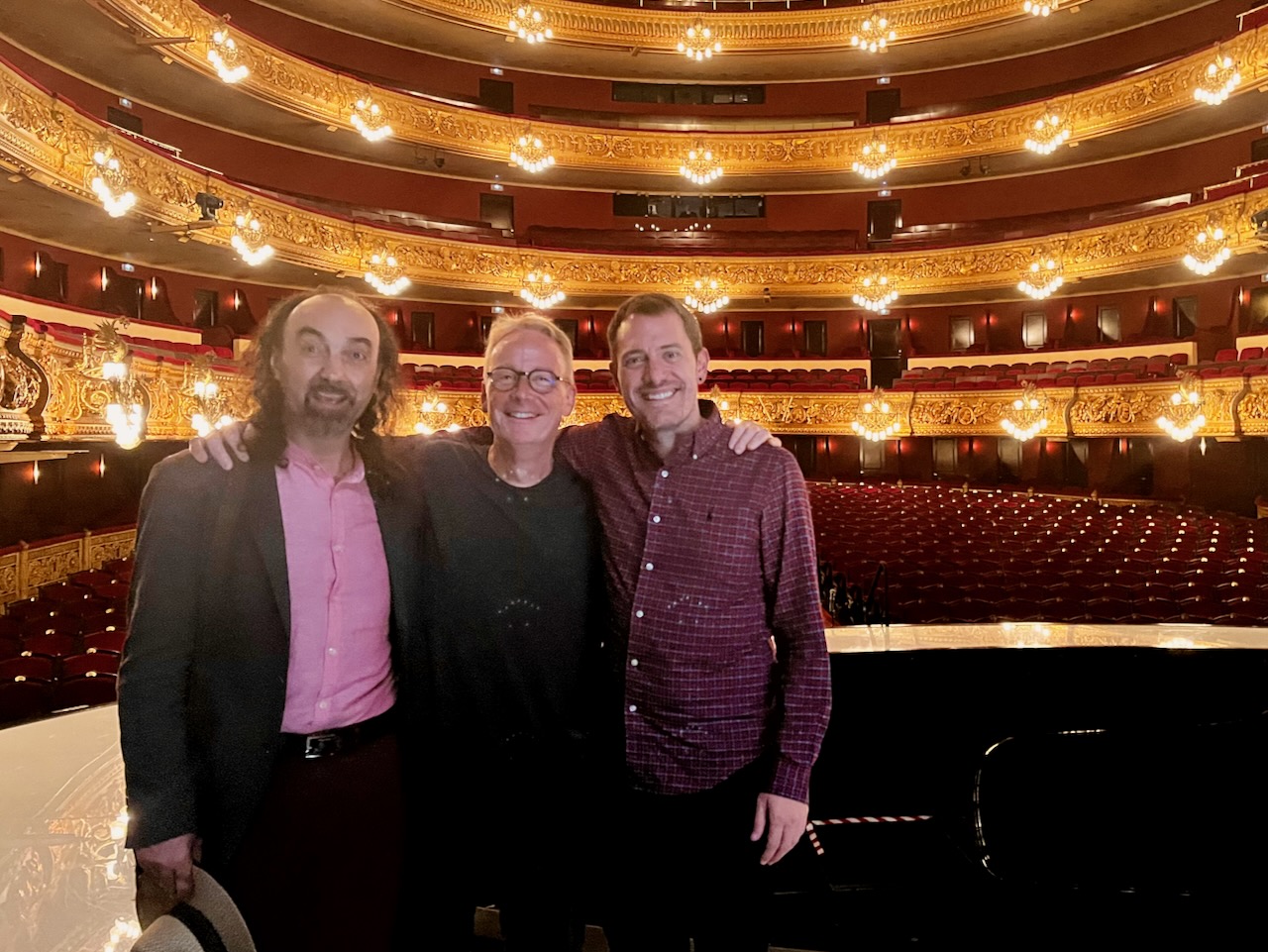
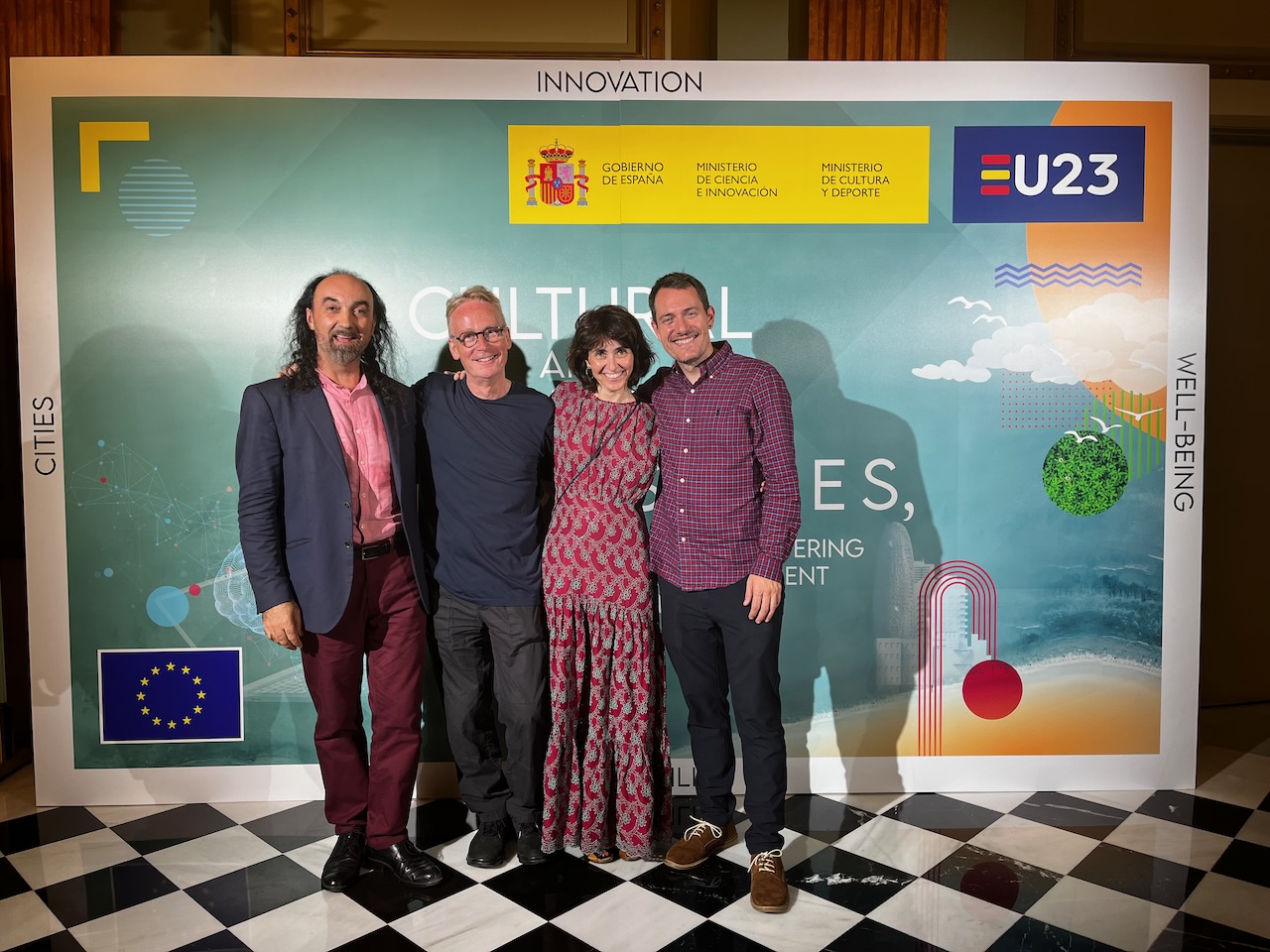

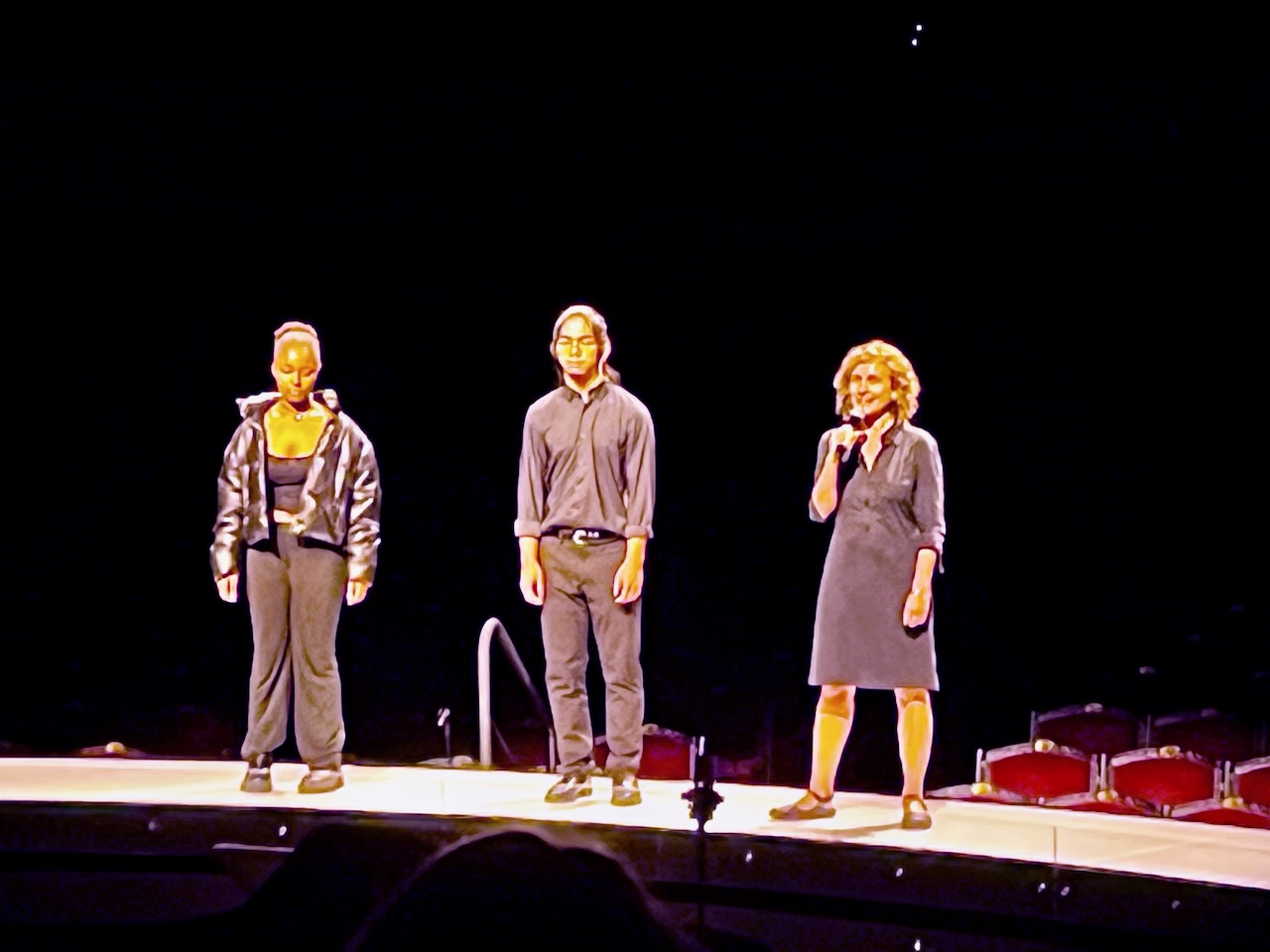
At intervals, cast members spoke to the audience about what it had meant to them to be part of this production. One young woman spoke about the importance of telling this radical, empowering story on the stage of the Liceu. For another, after the birth of her children, it was the greatest moment of her life. They too recalled their initial doubts about the project: like me, they had seen them all overcome.
There’s more to say about this experience, and some of that will find its way into A Selfless Art, but today I am just happy and grateful to have been a part of this adventure, proud even, in some odd way, of what we all achieved, of being able to feel part, in however small a way, of that we, of the temporary but lasting community of La Gata Perduda.
My snapshots and videos don’t do justice to the performance, but you can get a better sense of it from the professional film which is now online here (from about 47 minutes in). You can also see more about the project, including a Catalan TV documentary about the making of La Gate Perduda on the project website: http://www.co-art.eu
 François Matarasso