Objectively speaking, I have had a privileged life. I was taught to be aware of that from early childhood, and I have not forgotten the lesson, even if my grasp of its meaning has grown with my knowledge of the world. But what does it mean to be privileged and, which is also important, what can I do with the knowledge?
In recent years, the word has become common but also controversial, especially if it is said of people who do not see themselves as privileged. However justified one person may feel in applying it to another, its use rarely increases understanding or empathy. What is more, it is not clear what could be done about it—strip people of their privilege, or extend it to everyone? If the difference that privileges someone is physical, it is hard to see how that might work.
It seems more useful to think in terms of freedom because that is what my privileged position has brought me. Take a simple example. As a white, educated, non-disabled man, I have been able to walk freely in places where other people might not feel—or be—safe. From that one freedom have come others, for instance in my ways of working, the risks I’ve felt able to take and the professional autonomy I’ve been given by others.
Thinking in terms of freedom is useful because it offers a political solution to the underlying injustice, which is that everyone should be able to exercise the same freedoms. In a just society, it should be safe for anyone to walk down any street. True, we live in an imperfect world, and it may never be possible to protect everyone from harm, but we could make our streets much, much safer if we saw that as a societal priority.
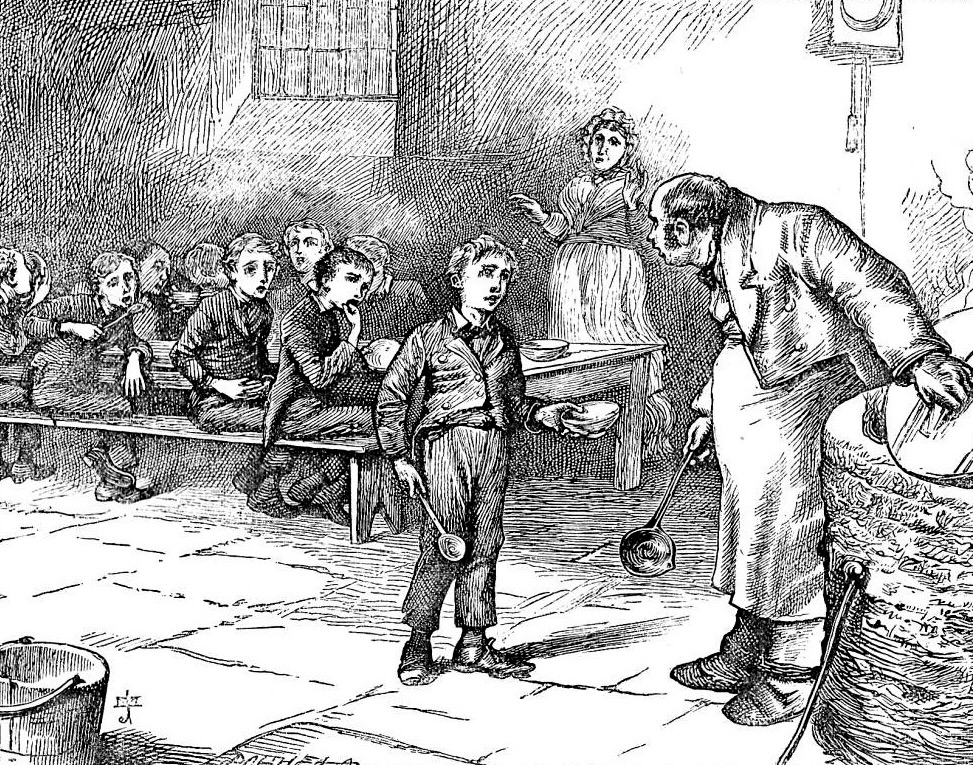
We did it for children, who are generally safer and healthier in Britain today than they were in Charles Dickens’ day, because freedoms that were then reserved only for a tiny minority of privileged children have been extended to most—if not yet all.
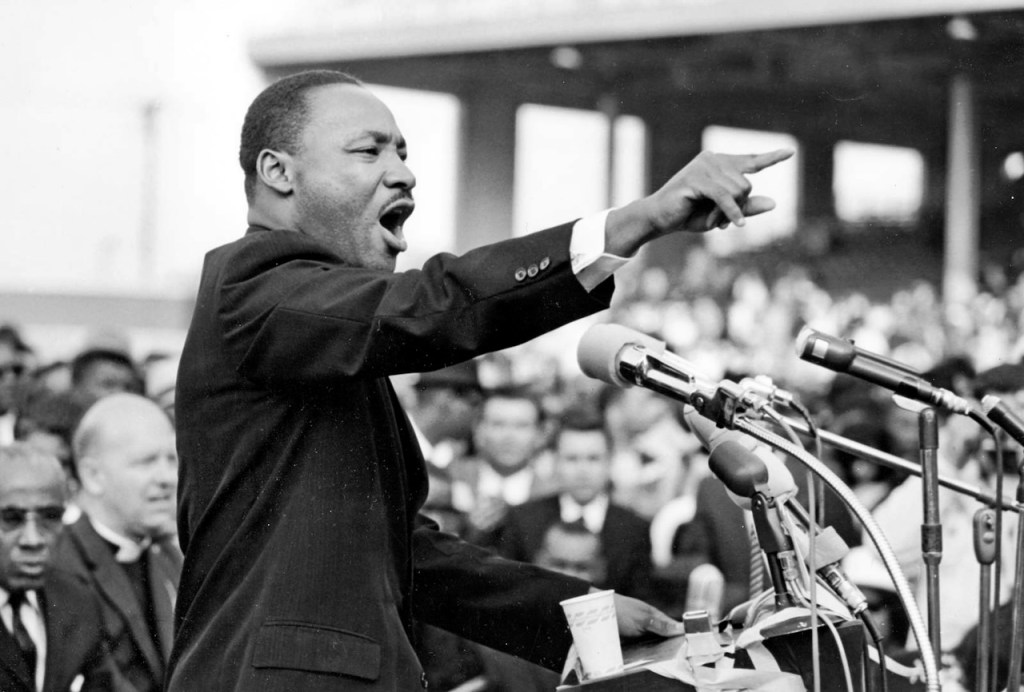
I was a teenager when I read these words spoken by the Rev. Martin Luther King Jr. in Washington on 28 August 1963:
I have a dream my four little children will one day live in a nation where they will not be judged by the color of their skin but by the content of their character. I have a dream today!
They remain the pole star by which I plot my path because they make the essential distinction between what human beings can and cannot be held accountable for. I am responsible for my actions, my beliefs and my choices, for what I make of my life (though to whom I might be responsible for all these things is another interesting and important question.) But no one should be made responsible for aspects of their being over which they have no control, such as their physical being or the circumstances of their birth.
All human beings have the same intrinsic value: that is the basis of human rights. One person may win a Nobel Prize and another raise a family in obscurity: who can say which life has brought most benefit to others? (Alfred Nobel’s own contributions to humanity include the invention of dynamite, a mixed blessing if ever there was one.) But as human beings, they are of absolutely equal value.
Change is a political project. It takes time, effort and solidarity, care, and clear thinking. Symbols have their place, and so does sacrifice—but only when it is freely chosen. My privileged life has given me more freedom than most people now, or in the past. It is fair to ask whether I have used those freedoms for the benefit of others because that is a political question. It is also the question I am asking myself as I work on A Selfless Art.
 François Matarasso
Responses to “Thinking about privilege, freedom and justice”
Thank you for your words.
LikeLiked by 1 person
Answering to your question, yes you had! I am from Argentina, and been reading your work for the last 4 years, since i accidently reach this blog, and later read your book, A restless art. Your work have been a lighthouse to me! and help me become more free, so eventually I could be light to somebody else. We are inventing the future together. Thank you very much!
LikeLiked by 1 person
Thank you Mercedes; I’m very happy to know that my work has helped you. Let’s work for a chain of lights leading, in mutual solidarity, towards a better future.
LikeLike