
On Sunday, I cut short a trip to the Forest of Imagination to get home and vote in France’s early parliamentary elections. The day after tomorrow, the UK will go to the polls in a vote that could permanently change the country’s political landscape, and three days later the second round of the French elections might bring to power the first authoritarian government since the German occupation in 1940. Meanwhile, the US Supreme Court added to its sorry record of intellectually and morally dubious judgments by declaring the Presidency above the law, thus reinstating a kingship the Founding Fathers had revolted against in 1776. All this in a context of brutal war, environmental crisis and human insecurity.
This political and social unrest has multiple causes but at its heart is a breakdown of trust between citizens and decision-makers—and between each other. People are voting for change, if they vote at all, but with no confidence that it will come, or that it will improve their lives if it does. They lash out against people they don’t trust to be truthful, honest or competent. Seeing the system itself as rotten, they want to overturn the tables and walk out, though there’s nowhere to go.
The Forest of Imagination, June 2024
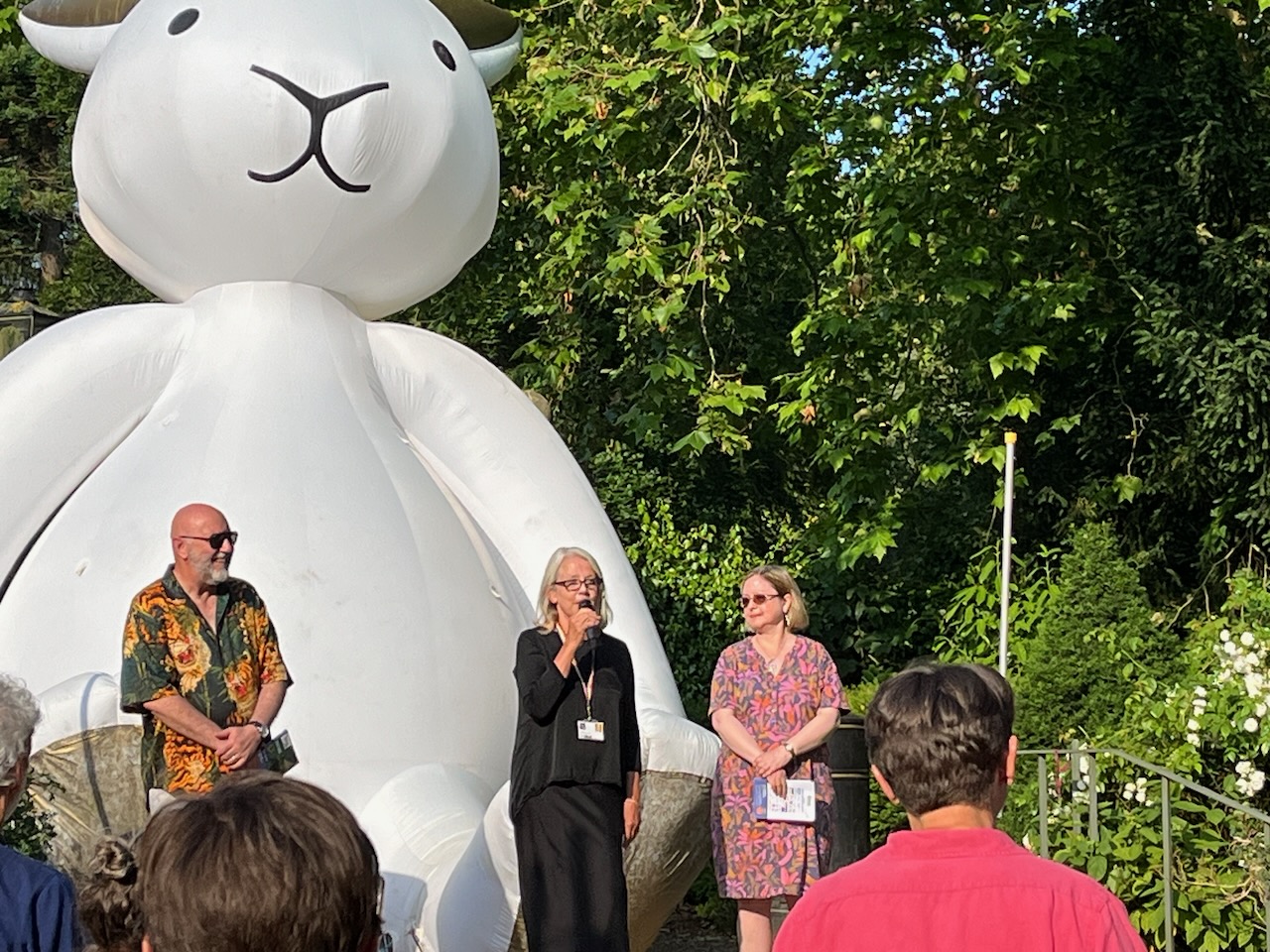
And yet last week I lived in a temporary community that is the very antithesis of this dystopian image of crisis. The Forest of Imagination had assembled once again for five days of child-centred activities and performances at the Holburne Museum in Bath.
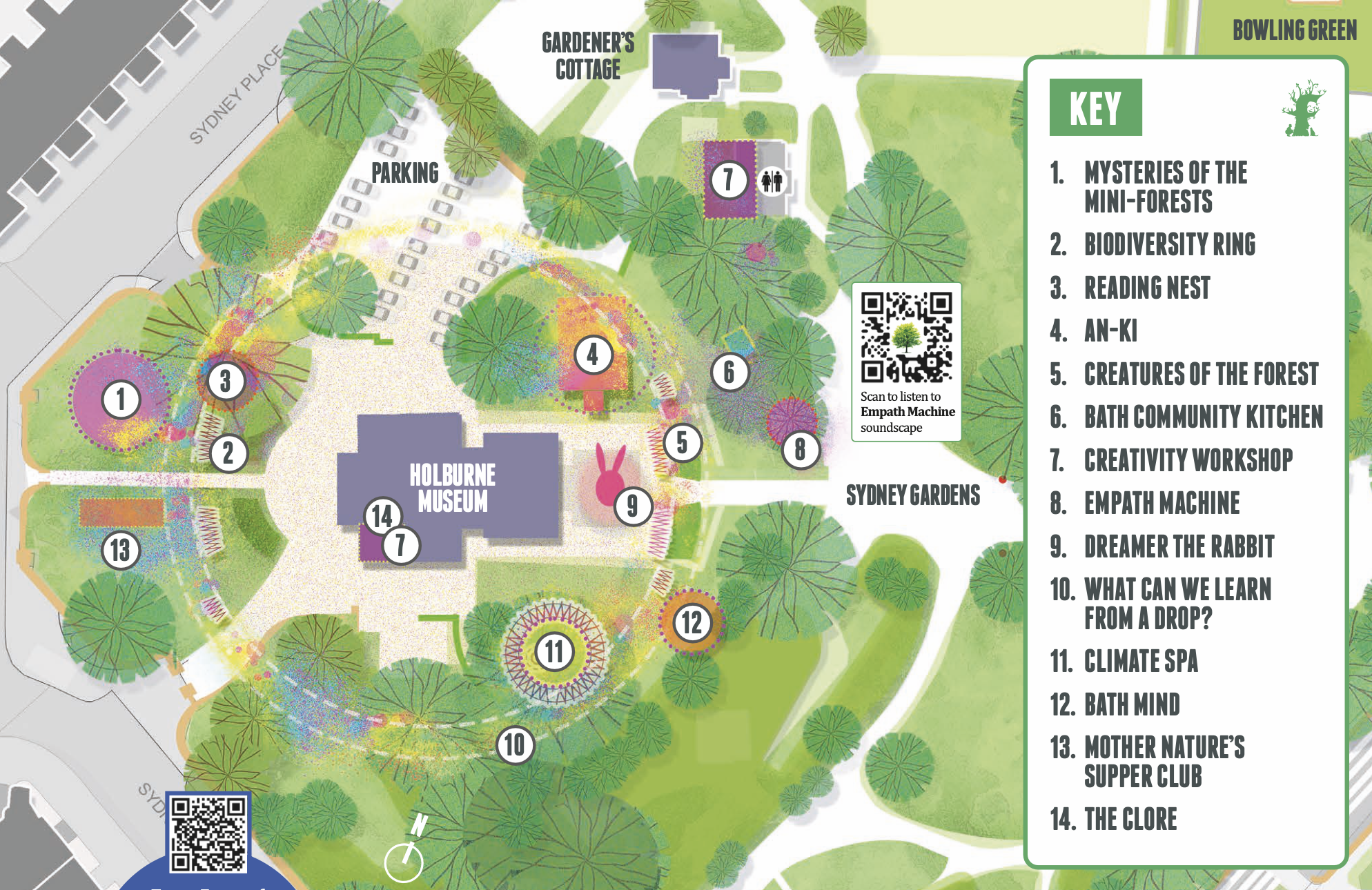
There were interactive performances, creative workshops, storytelling sessions, digital artworks, seminars and food demonstrations, all around the theme of biodiversity and the difference that each of us can make in a myriad small ways. Mostly outdoors, shorter and with fewer installations, it was different to last year’s event. Grant applications had been refused and so everything was done on gifts and goodwill, with a plethora of local sponsors helping in cash and kind. Artists, designers, workshop leaders and organisers gave their time and though the event was free as always, many people donated to the project’s fundraising page. Just a few weeks ago, the team had been asking themselves whether they would have to cancel. Instead, they trusted themselves and each other, and here was their reward.
It was delightful to experience the quietly efficient and good-humoured co-operation between those who had gathered to make the Forest of Imagination happen. Everyone seemed to have time to talk or to help one another; they were quick to adapt their own plans to meet new needs.
But what looks so easy to the groups of school children in high-visibility tabards or families strolling in the gardens, is a huge, complicated and fragile organisational mechanism. The risk assessment runs to 70 pages, and immense thought goes into ensuring that all goes well in an atmosphere of ease and openness. As ever, it requires enormous effort to appear effortless.





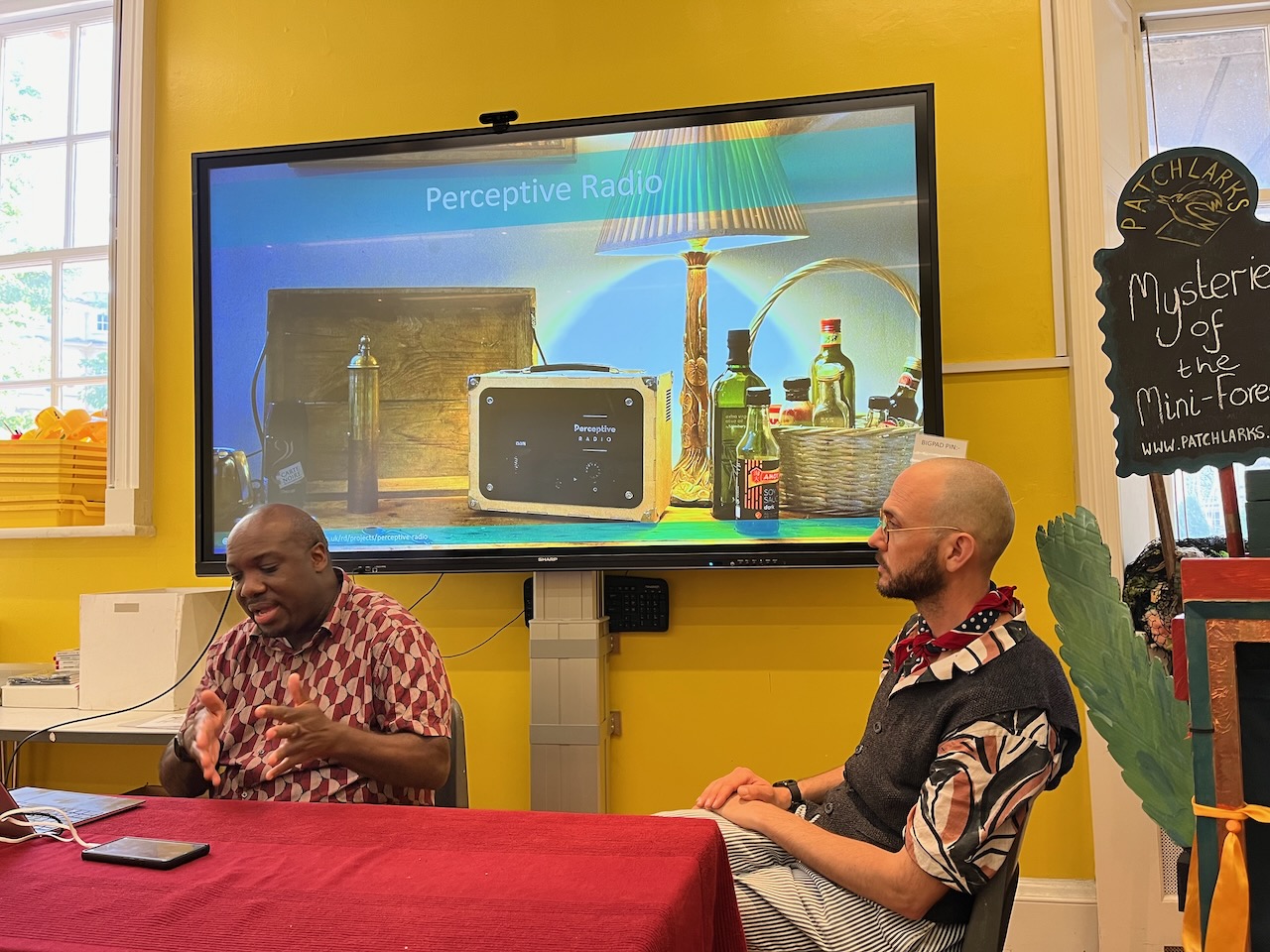


A toe in the water
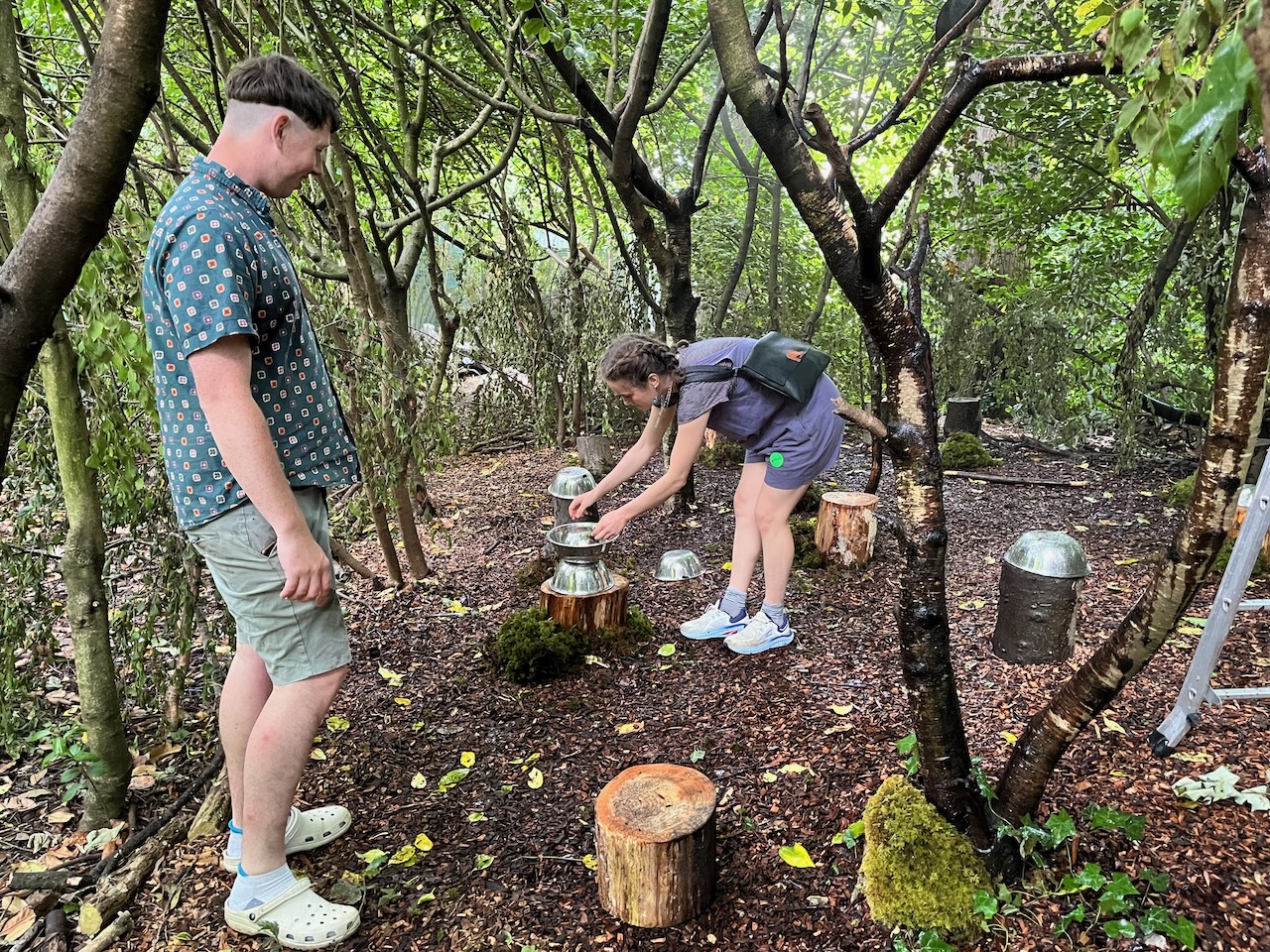
The year since I last visited the Forest of Imagination has been hard and I’m only just starting to work again. Sensing that the Forest would be a safe place to see if I was ready, I came to do a workshop and, though practicalities curtailed what I could do, I’m glad I tried. Not everything works as you’d like in community art but that isn’t the point. If you can guarantee what happens, you are controlling not enabling other people’s creative acts. As I’ve been saying for years, you might not reach your destination but you won’t regret the journey.
My own journey included many rich conversations with the people who year after year bring creative energy and kindness to make the Forest of Imagination happen. I learned about climate change, food, mathematics, theatre, education, activism and podcasting, among other things, but more than that I learned about the intangible, unaccountable human energies of kindness, generosity, care and reciprocity that allow this complex creative orrery to turn so smoothly. I left Bath on Saturday, tired but glad I’d made the effort, very grateful for the welcome I’d received, and with a little more confidence in my direction and capabilities for reaching it.

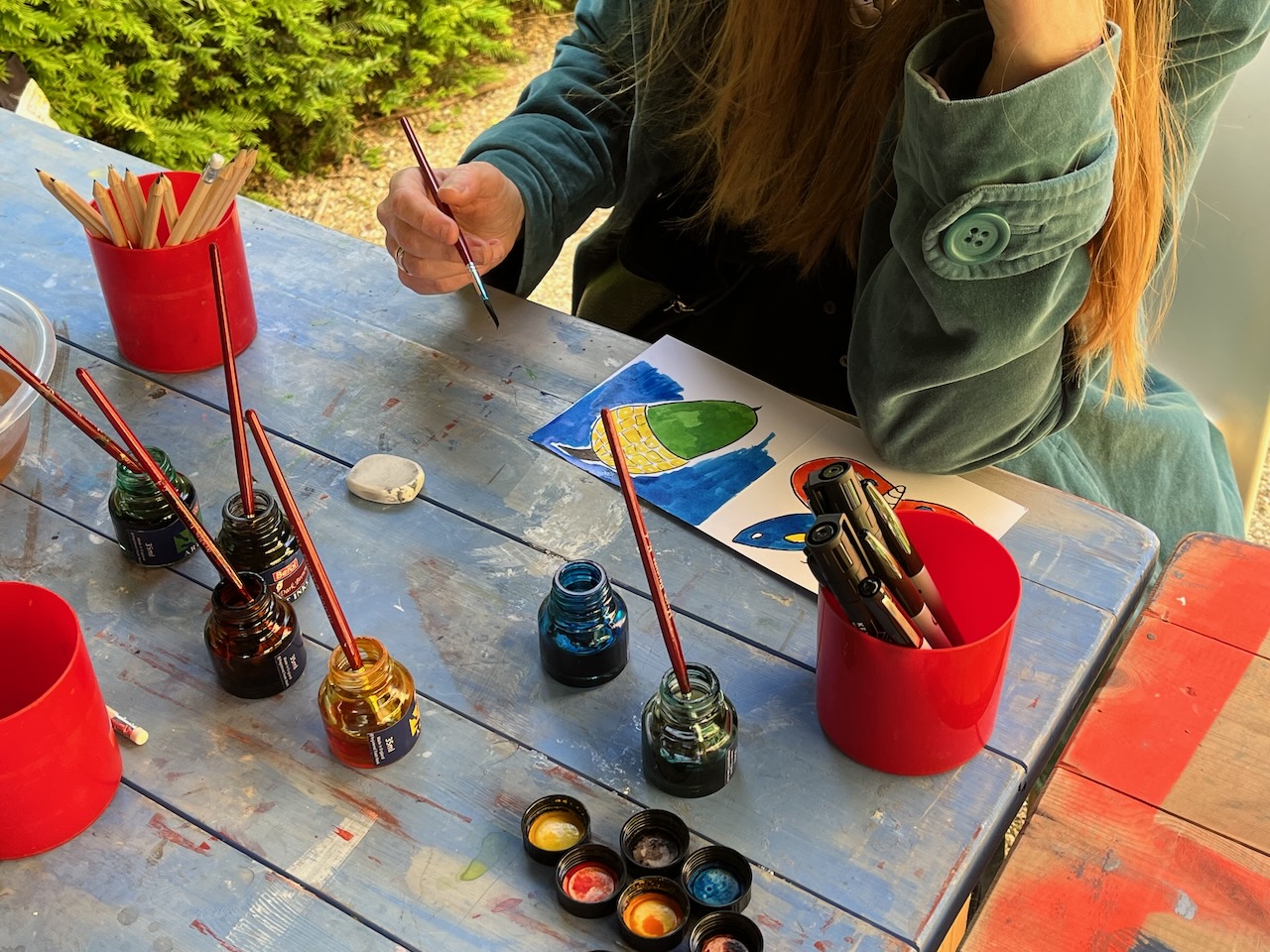

Enacting trust
The Forest of Imagination is unique because of the character and gifts of the many people who come together to make it happen. But it is also just one of countless similar projects I have known in the past 45 years—some big, some small, in communities of all kinds and in all places. Most of them are not even cultural, though that is the world where I have spent my life: comparable initiatives exist in every aspect of social life from sport to social care, from the environment to poverty reduction.
Everywhere, good people work together for the benefit of others in projects that enact care and hope in all they do. In the words of this year’s Forest of Imagination, they are the million small acts that make all the difference. And trust is at the heart of what these people do—the trust they are willing to offer each other and that is reinforced every time someone does what they say, meets their commitments, can be relied upon.
This enormous human resource is what gives me hope in these dark times, and it should make those who run our societies hang their heads in shame. Until they recognise that they depend on our trust, they might win elections but they will change nothing. We can change our world with a million small acts. Our politicians have a duty to live up to our example and show themselves to be trustworthy too.

Note – the photos on this page give a slightly unrealistic impression of the Forest of Imagination since, for reasons of privacy, they don’t include any of the school groups or other children who were enjoying the activities.
 François Matarasso