
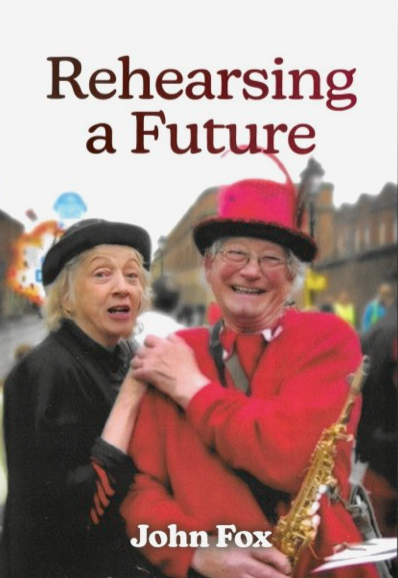
In October, the post brought a small packet from Cumbria with familiar handwriting. The cards, prints and poetry chapbooks sent from The Beach House over the years have been precious gifts but none had quite the punch of John’s latest offering, Rehearsing a Future.
On the back cover, I read:
Following a diagnosis of terminal cancer in January 2024, I decided initially to keep quiet about it. I’ve now decided to share the news by sending this booklet of five new poems and an essay to 100 friends and colleagues.
As I read, I felt I was sitting with John in the light-filled room of his home overlooking the glistening sands of Morecambe Bay, as he shared his thoughts about the human, practical, and political realities of imminent death. There is sadness here, of course, but gratitude and joy too, for the love of family and friendships, for art and nature and a lucky generation—anger at injustice too, and a deep sense of responsibility to others. Describing himself as ‘a closet puritan’ John quotes Horace Mann:
Until you have done something for humanity you should be ashamed to die.
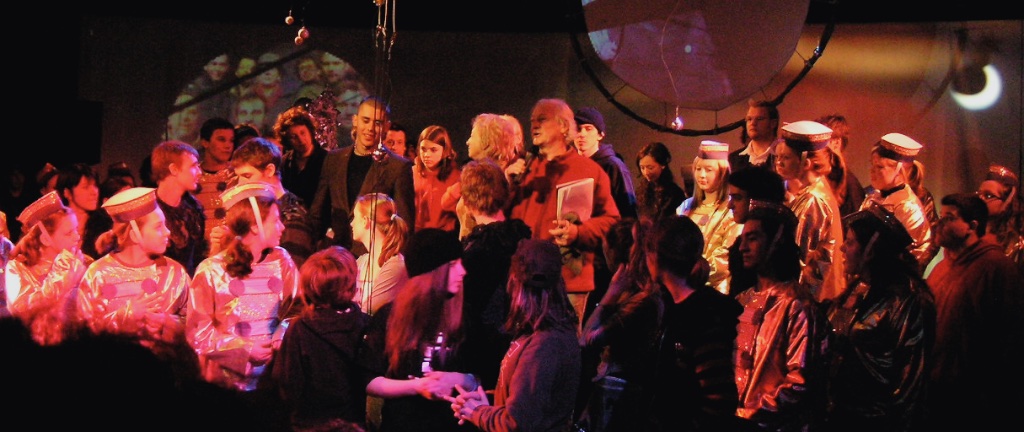
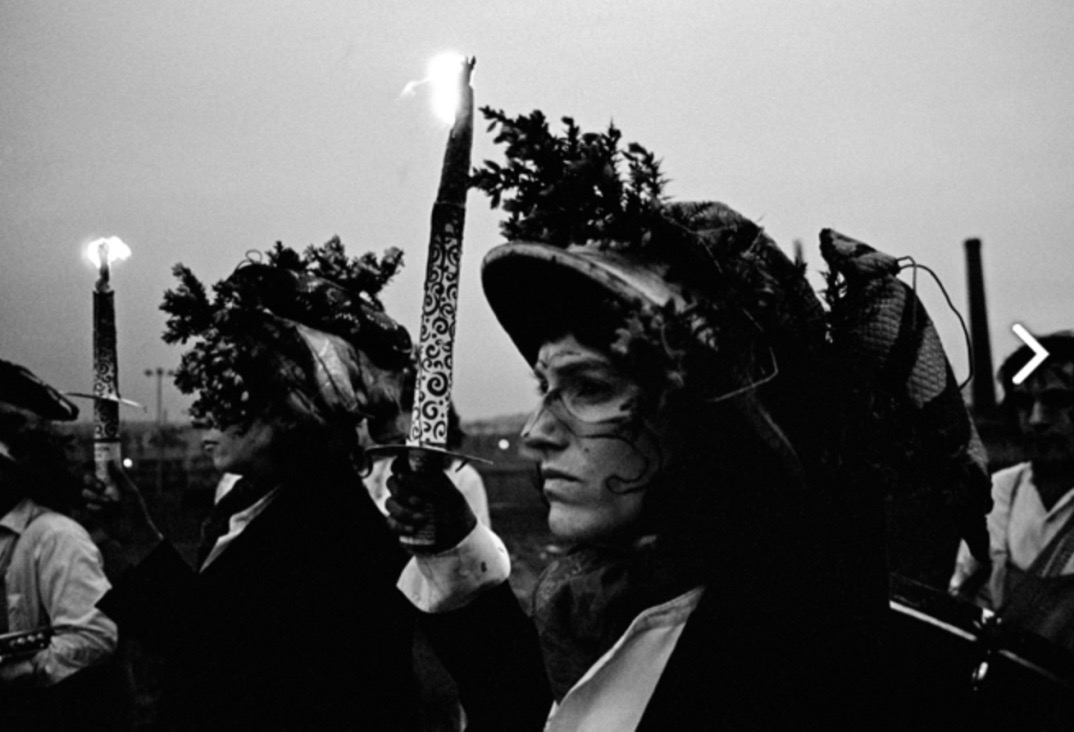
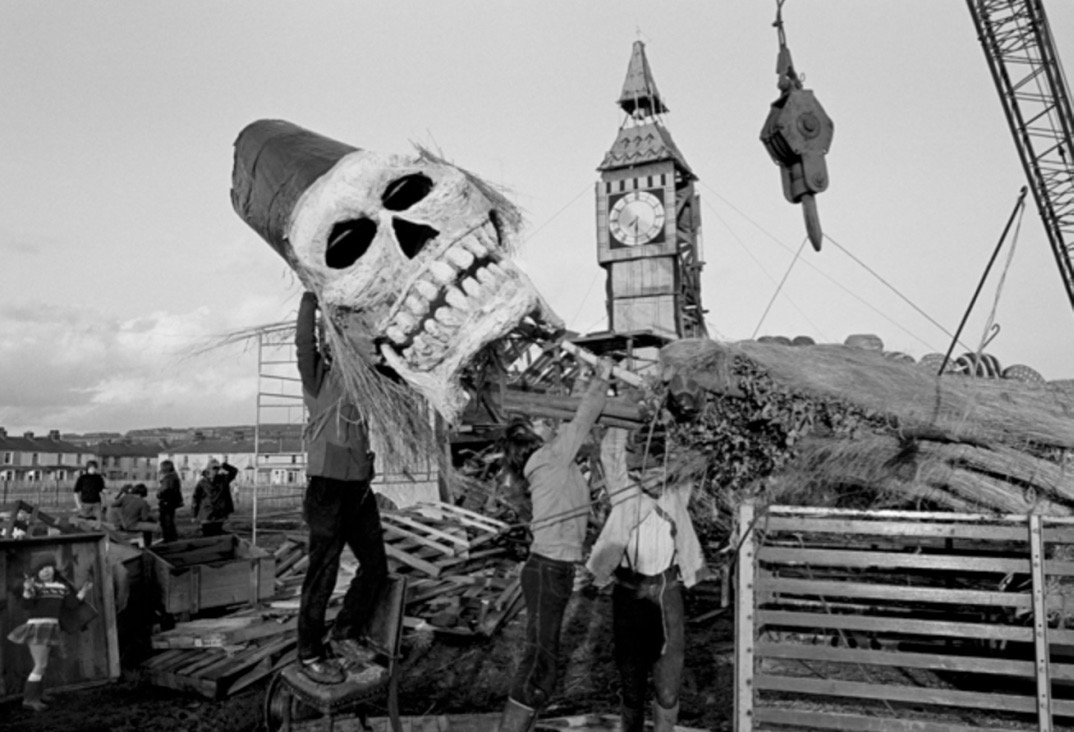
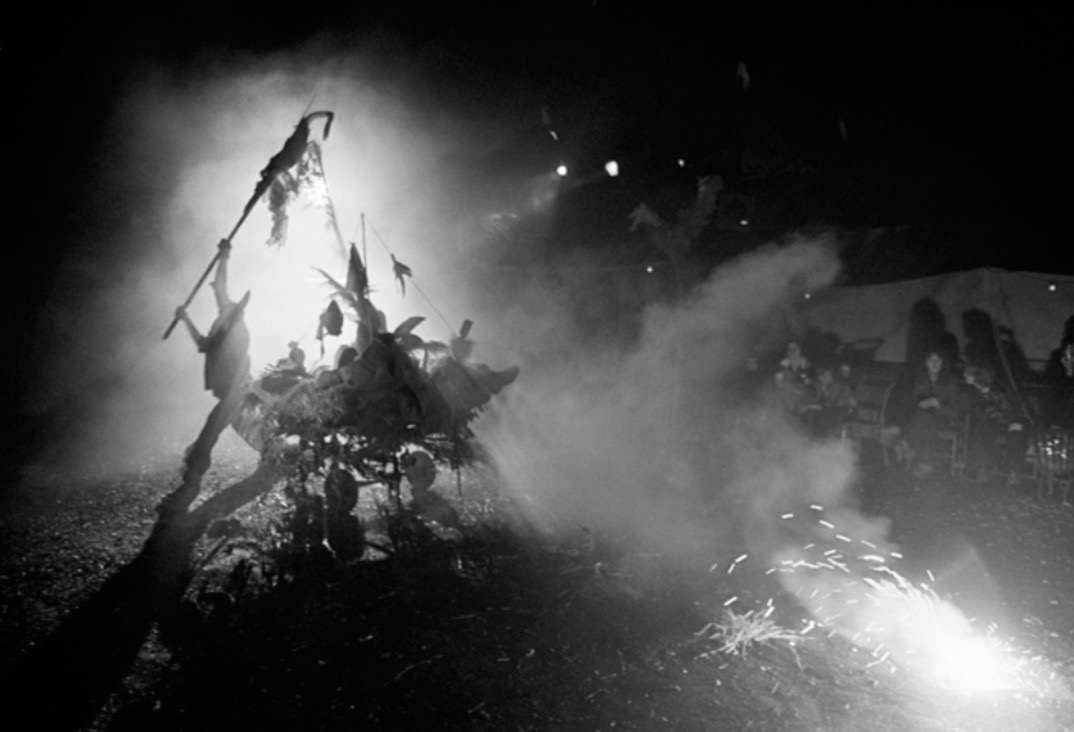
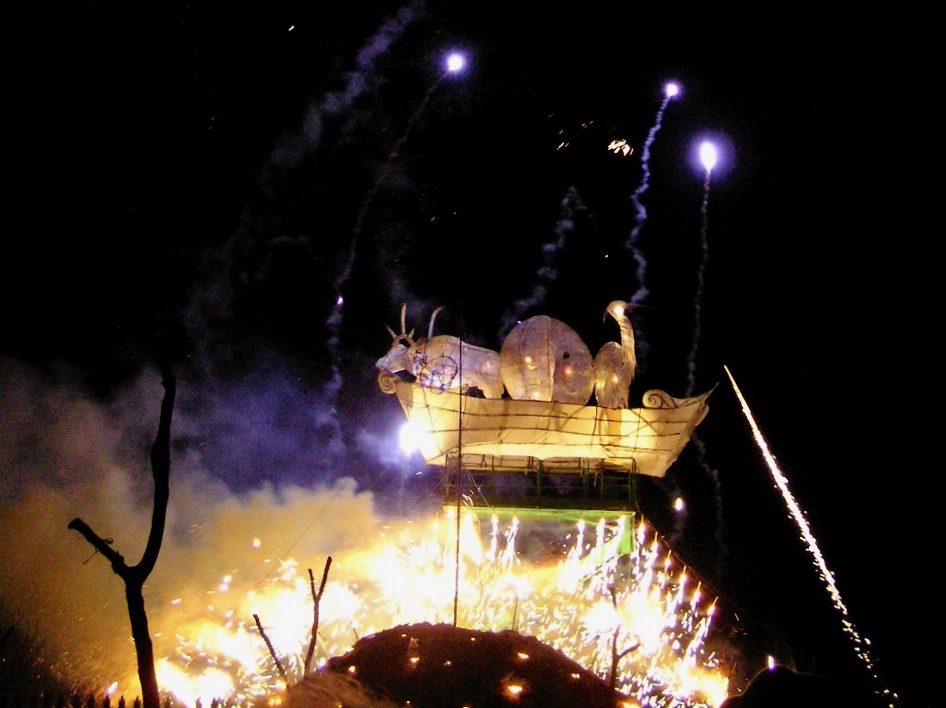
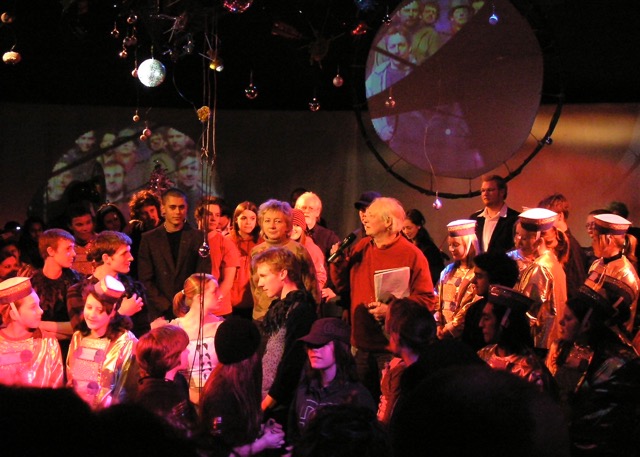
Not many books change your life. Engineers of the Imagination, The Welfare State Handbook changed mine when it came out in 1983. I was a community arts worker on a Midlands council estate, learning the limits of my London experience in a small town. Welfare State’s performances, fireshows and shared meals opened my mind to a new world of possibilities, rooted in an exuberant, life-affirming and very English art. It was emotional and non-rational, but deeply serious about its purpose, defending human values against greed and stupidity, which seemed especially urgent to me during that first Thatcher government, forging neoliberalism by destroying communities at home and waging war abroad.
Not long afterwards, I met John for the first time, when he came to speak in the East Midlands. Our paths would cross sometimes in the following years but we didn’t get to know each other better until after the closure of Welfare State in 2005. We lived a long way from each other, but I’d go to see John and Sue (Gill, his wife and co-founder of the company) whenever I got the chance. Each one of those days remains a clear treasure in my memory—sitting on the deck with mugs of tea, walking on the foreshore with its improvised artworks, sharing meals, or leafing through sheaves of prints. John would pull a book from the shelf to clarify something and was always a careful listener, making occasional notes of what I said with flattering attention.
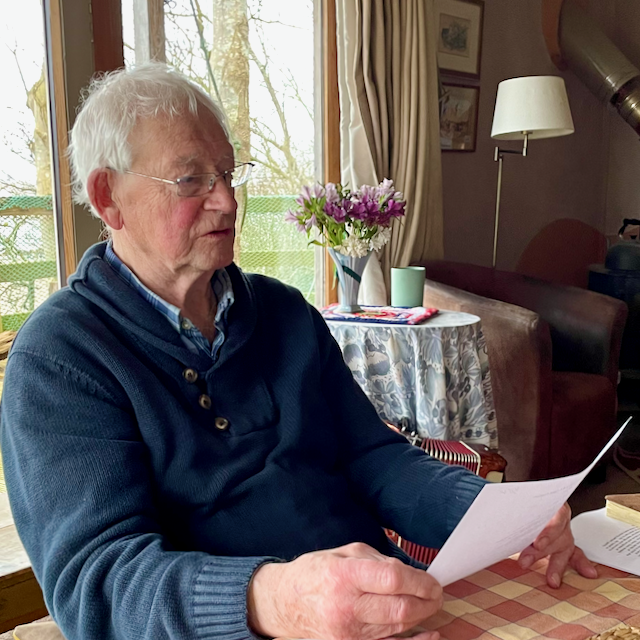
As much as anything, though, I have loved listening to him read his poetry, which captures the essence of this original, visionary and passionate artist. When I was last there, about 16 months ago, I spoke to him about putting together a book of Collected Poems, and I still hope that might happen.
Friendship has been the unanticipated gift of my working life. It’s natural, though—after all, being with others is the very heart of community art. I am immensely grateful for what it has brought me. The art we created was never as important as the friendships we made.
In Rehearsing a Future, John wonders whether his work in Welfare State is enough to count as doing something for humanity. I’m sure it is, and it’s not all he has done, but more than the performances and events created during the company’s 40-odd year life, it’s the relationships that were nurtured during that long story that I value—with thousands of people in dozens of places, and with a constant stream of young artists drawn to the company and who went on to take its spirit into many other forms over the decades.
It’s those human connections that made Welfare State one of the most influential English art organisations of its time. And it’s those friendships that might be what we do most for humanity, and
prove
Our almost-instinct almost true:
What will survive of us is love.
Philip Larkin, An Arundel Tomb
John’s book arrived as I was myself beginning treatment for cancer, and for several months I could do no more than think about this post. I’m happy to have been able to write it now, even if there’s more I’d like to say. I’m sure John and Sue know how much I care for them and admire their work, but it’s always best to say such things while you can.
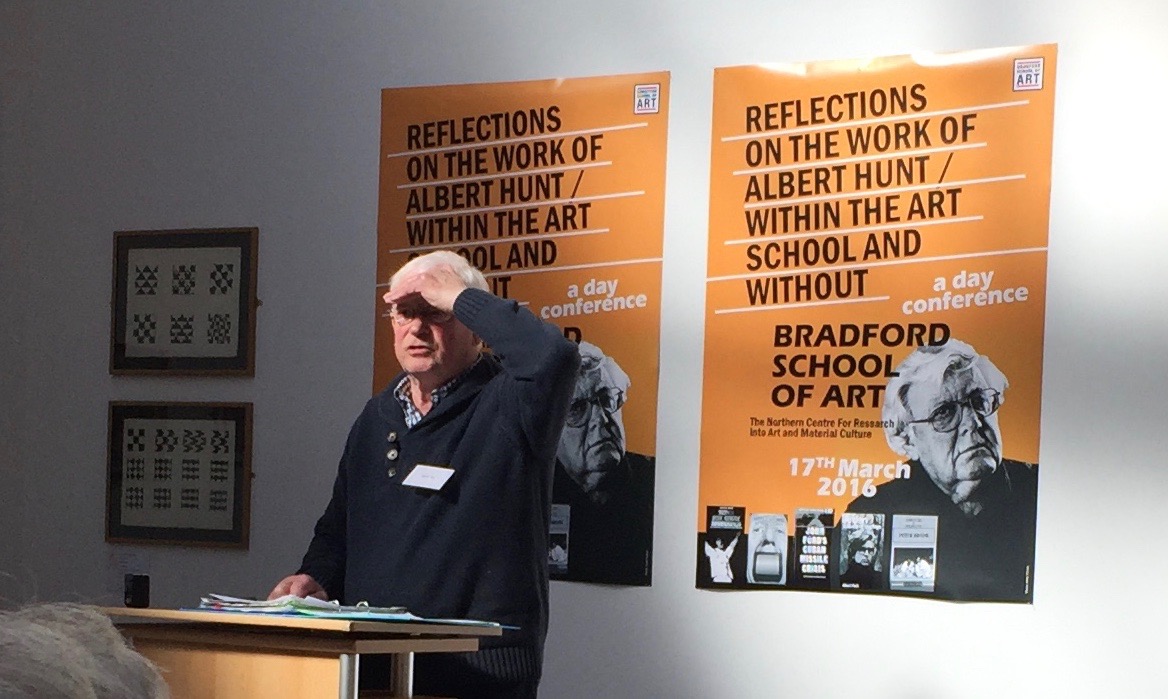
You can read more about John and Sue’s work on their website; the links below will take you to other articles here.
- English visionaries: John Fox, Sue Gill and Welfare State
- Welfare State International Case Study
- ‘Brave people with big eyes’, The end of Welfare State
- Innocence and experience: John Fox’s songs
- What we have lost, and what we hold to still (Sue Gill)




Responses to “For John Fox”
Hi Francois Thank you for this. Sue here, John is in a deep sleep, and my email has crashed.. Your post all looks fine. No worries.
Hope you are getting all the support you need. We are but John is adamantly refusing to allow anything that sounds like a commode into the house.
I still have Carol’s lovely book alongside me, about making String images on our fingers. Dexterity, memory, imagination.
Stay safe, take care.
Sue x and a sleeping bloke over there in his bed. x
LikeLiked by 1 person
I have a framed Welfare State International poster on my studio wall and read these wise words everyday: ‘eyes on stalks not bums on seats’.
LikeLiked by 1 person
Before the arts were drawn into the neoliberal economy and shackled by New Public Management. We can never go back but we can always rethink priorities and find new ways to achieve them.
LikeLike